Xylanase Storage, Handling, and Shelf-Life Considerations | Hemivane
Practical storage, handling, and shelf-life guidance for Xylanase (endo-1,4-β-xylanase) in bulk industrial environments, including receiving, warehousing, dosing, and loss prevention.
Xylanase Storage, Handling, and Shelf-Life Considerations
Xylanase is often purchased for what it does in the process: reduce arabinoxylan-related viscosity, improve fiber opening, support extract release, and help make plant-cell-wall materials easier to run at scale. But before the enzyme reaches the mixer, slurry tank, pulp stream, mash cooker, or dosing skid, its performance is shaped by ordinary warehouse decisions.
Temperature excursions, moisture pickup, repeated opening, poor stock rotation, incompatible cleaning residues, and rough handling can turn a well-specified enzyme into a variable input. This guide is written for procurement, warehouse, QA, and production teams that handle bulk Xylanase (endo-1,4-β-xylanase) and want fewer avoidable losses between receipt and use.
What shelf-life really means for industrial xylanase
Shelf-life is not a guarantee that every opened drum, tote, or bag will behave identically until the printed date. It is a controlled-storage expectation for a specific formulation, package format, and manufacturing lot.
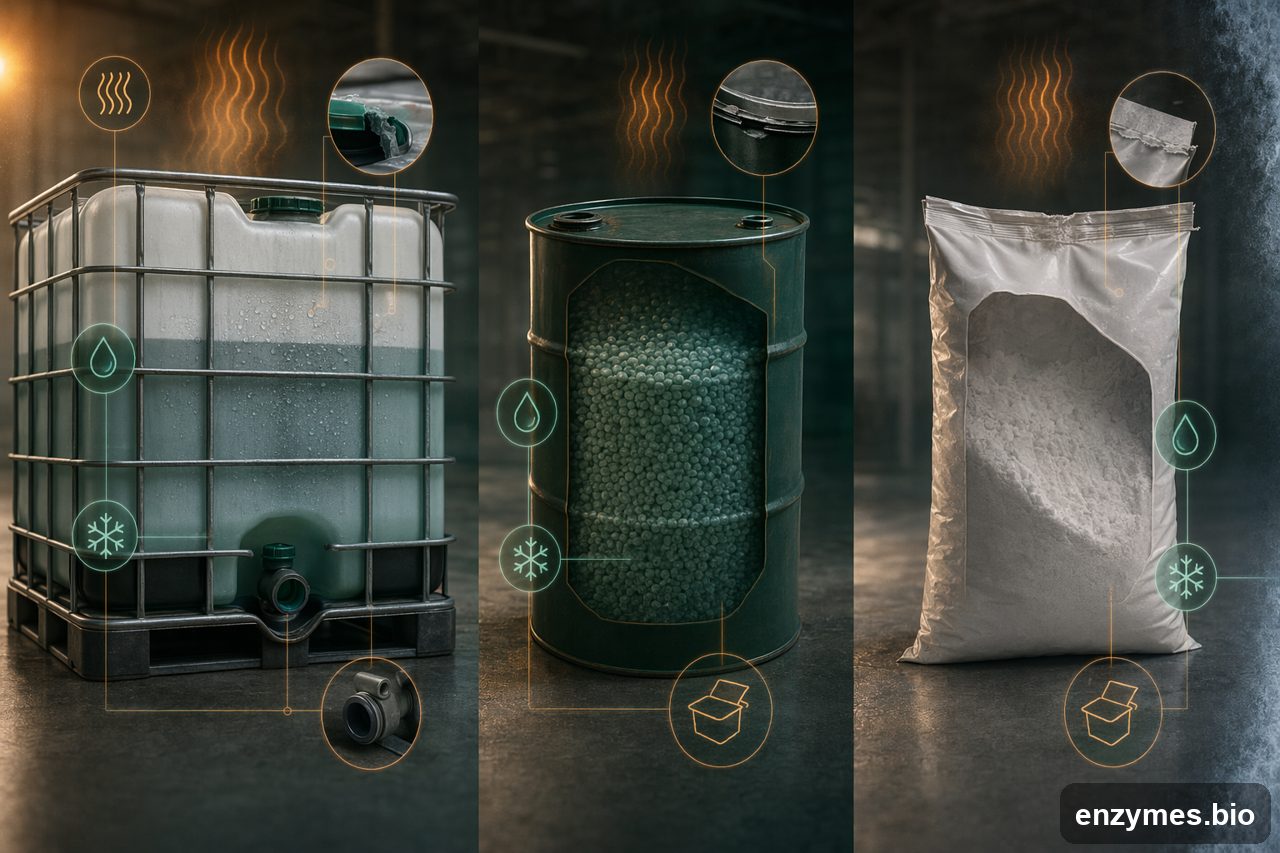
For xylanase, shelf-life depends on:
Formulation type: liquid, granular, powder, coated granule, or stabilized blend.
Carrier and stabilizer system: salts, polyols, carbohydrates, preservatives, binders, and coating materials can all affect durability.
Moisture exposure: especially important for dry formats.
Temperature history: including short spikes during transport or warehouse staging.
Headspace and oxygen exposure after opening.
Microbial control in liquid products.
Container integrity: liners, seals, caps, valves, and gaskets.
How the enzyme is metered: closed transfer generally protects performance better than repeated manual opening.
A xylanase lot may still be within date but show process drift if it has been exposed to high heat, condensation, freezing, contamination, or repeated handling cycles.
Recommended storage mindset: protect the formulation, not just the protein
Xylanase is the active enzyme, but the commercial product is a complete formulation. Storage should protect the whole formulation system.
For liquid xylanase
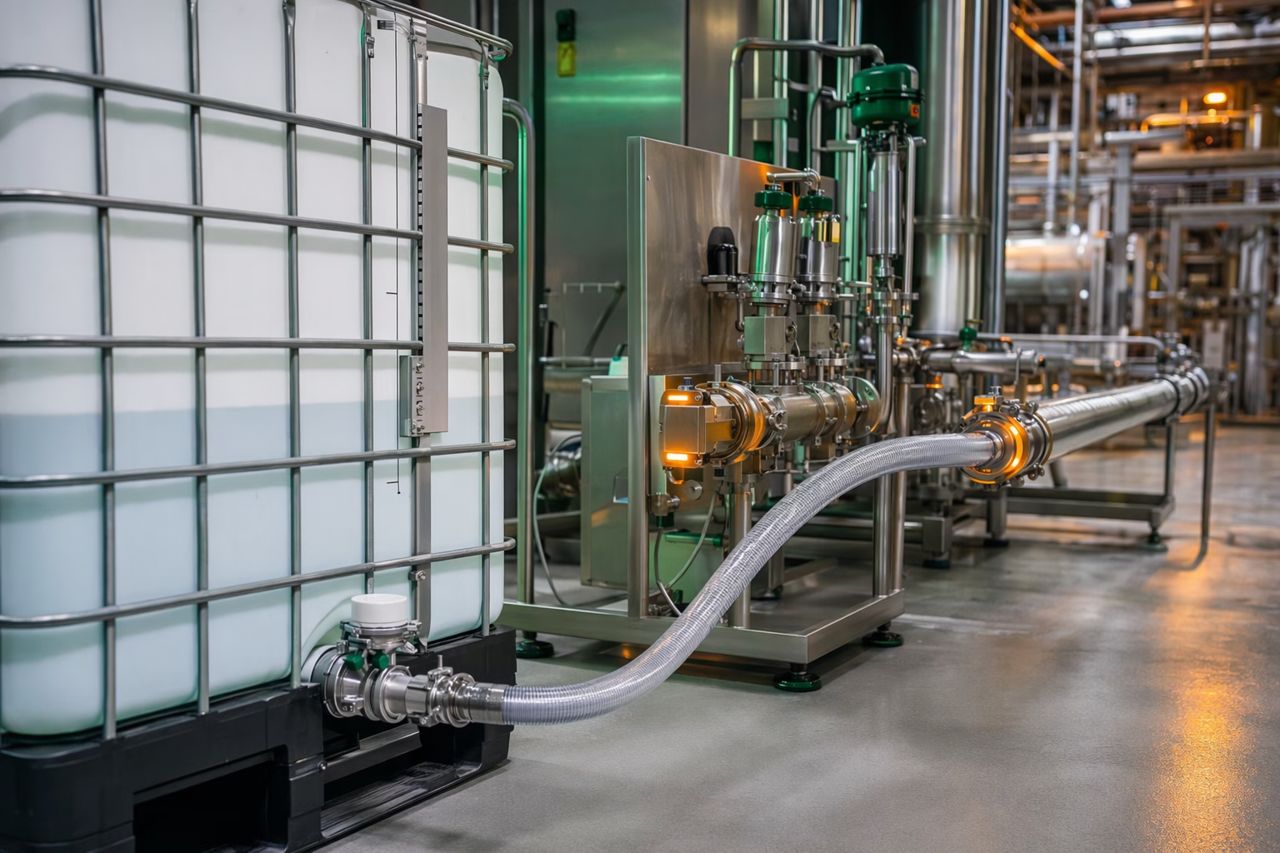
Liquid xylanase is convenient for automated dosing, but it is more exposed to temperature and microbial risks than many dry formats.
Good practice includes:
Store in the product-specific recommended temperature range.
Avoid prolonged high-temperature staging near boilers, dryers, steam lines, sunny loading bays, or hot exterior walls.
Prevent freezing unless the formulation is explicitly validated for freeze-thaw exposure.
Do not repeatedly freeze and thaw partially used containers.
Keep caps, bungs, valves, and transfer lines clean and closed when not in use.
Use dedicated or well-rinsed transfer equipment to prevent carryover from caustic cleaners, oxidizers, biocides, or incompatible process chemicals.
Inspect for swelling, leakage, unusual odor, phase separation, visible growth, sediment change, or color shift before use.
If a liquid enzyme arrives warm, frozen, leaking, or with damaged seals, quarantine it until QA and the supplier review the exposure.
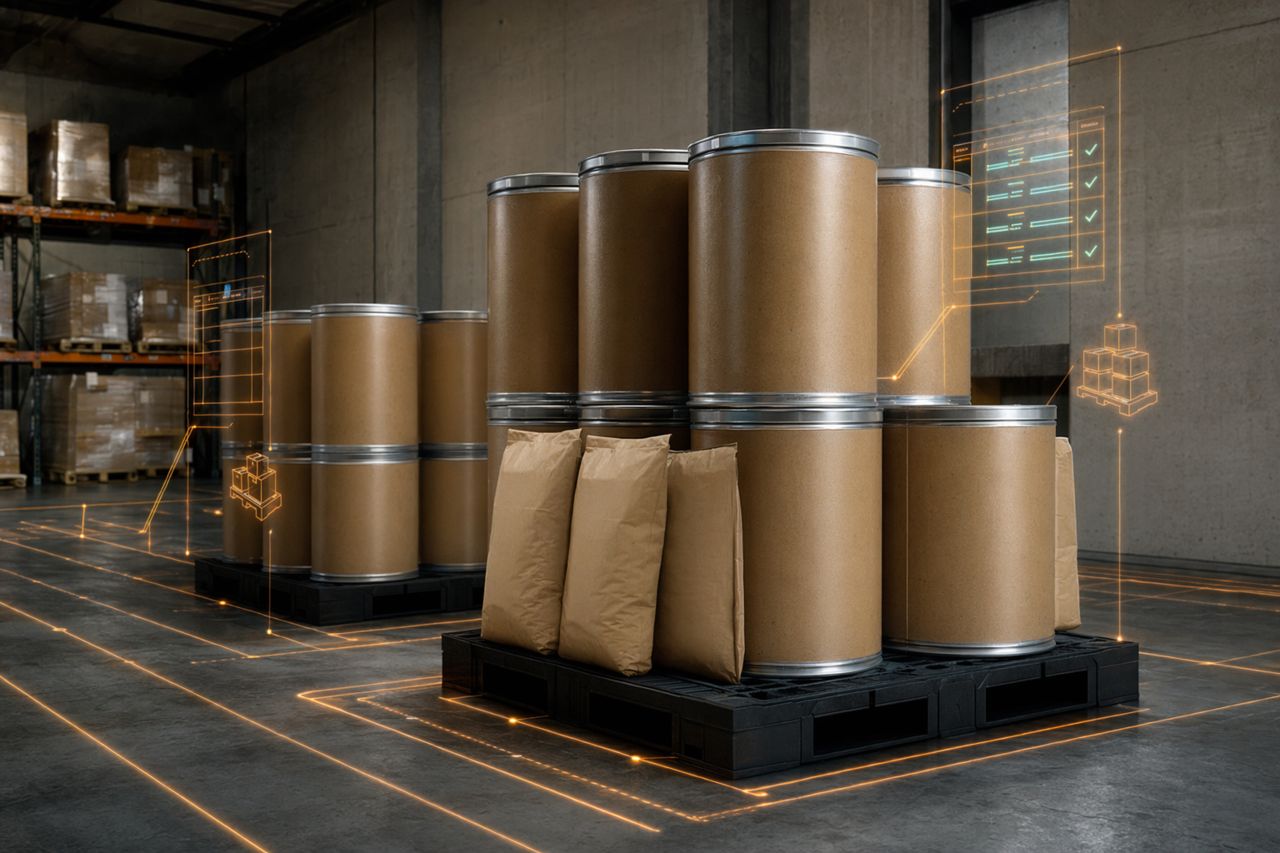
For dry xylanase formats
Dry xylanase products generally tolerate distribution well, but they are vulnerable to moisture and dust-control mistakes.
Good practice includes:
Store in a cool, dry area away from washdown spray, steam vents, open doors, and roof-condensation zones.
Keep bags, drums, and liners sealed until needed.
Reseal opened containers promptly; do not leave scoops or funnels inside.
Avoid staging on wet floors or against sweating walls.
Protect from caking, clumping, torn liners, and pallet damage.
Control airborne dust during charging, especially in enclosed rooms.
Use local exhaust, closed charging, or contained transfer where feasible.
Moisture pickup can reduce flowability, create uneven dosing, and accelerate loss of usable performance. In many plants, the first sign of a storage problem is not a lab result; it is a feeder, auger, or manual charging station that stops behaving consistently.
Receiving checklist for bulk xylanase
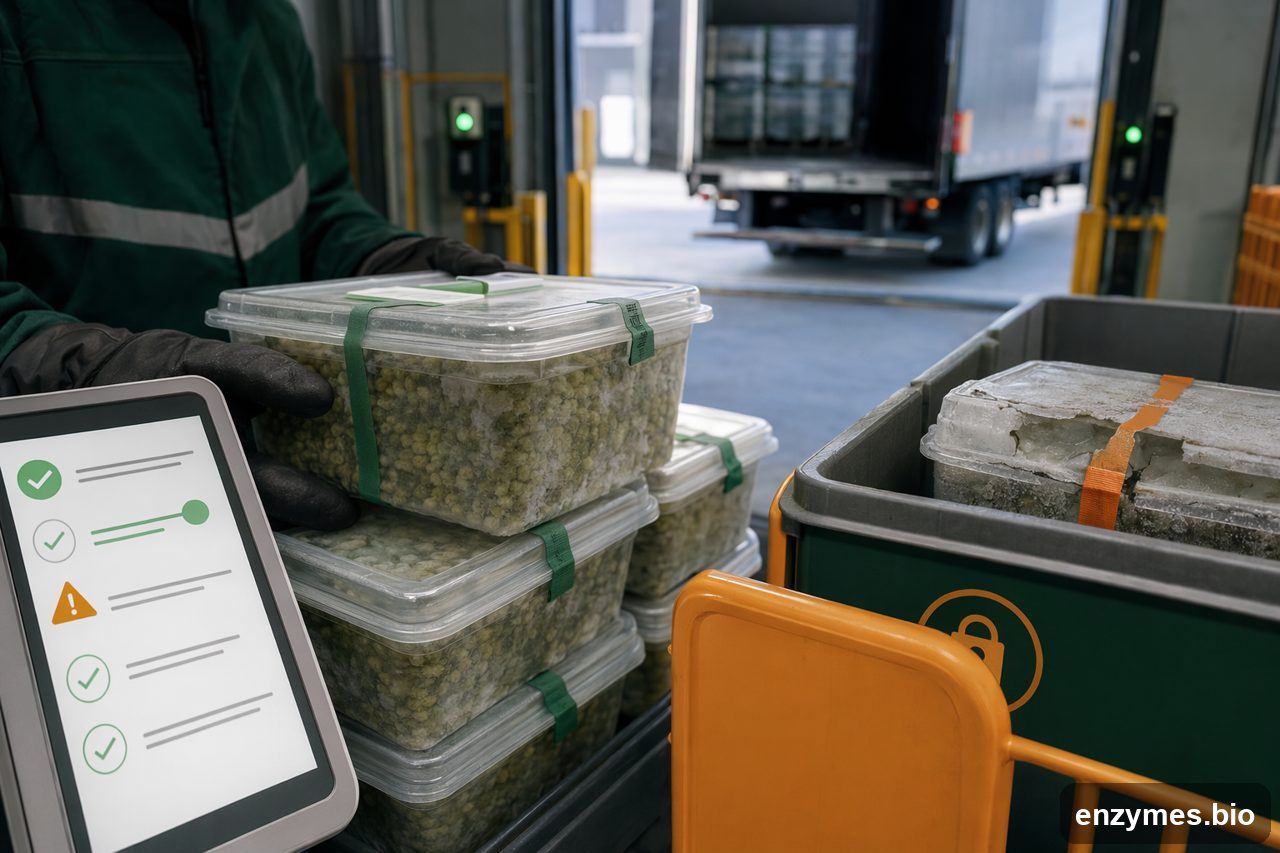
A disciplined receiving routine prevents bad material from entering active inventory.
At receipt, check:
Lot number and documentation match the purchase order and internal item code.
Container condition: no punctures, crushed corners, broken seals, leaking valves, swollen drums, or compromised liners.
Temperature indicators or shipping notes, if used, show no unresolved excursion.
Label legibility supports traceability through storage and production.
SDS and technical documentation are current and accessible to operators.
Manufacturing date, expiry date, or retest date are captured in inventory records.
Quarantine status is clear until QA release, if your site requires release before use.
Photograph damaged containers before moving or opening them. Record the condition, pallet position, and any visible wetting, heat exposure, or seal failure.
Warehouse layout: where enzyme losses often begin
Xylanase should not be treated like an inert mineral ingredient. It is a biological catalyst in a formulated package.
Avoid storing xylanase near:
Hot process walls, dryers, boilers, or compressor rooms.
Outdoor doors with direct sunlight or seasonal heat cycling.
Washdown lanes, floor drains, hose stations, or CIP chemical staging.
High-traffic forklift lanes where drums, bags, or IBCs can be struck.
Dusty raw-material zones where open containers can be cross-contaminated.
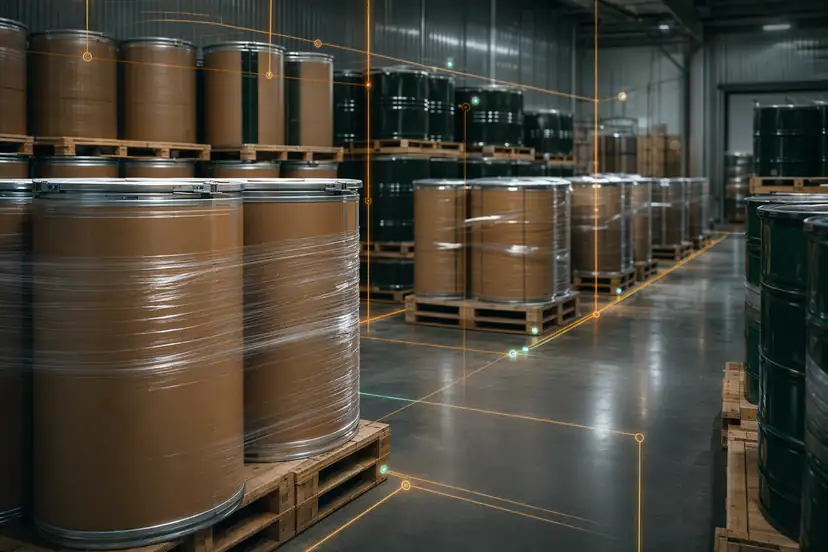
Preferred storage zones are stable, dry, clearly labeled, and protected from impact. For high-throughput sites, separate unopened stock from opened working inventory so operators do not repeatedly open new containers unnecessarily.
Opened-container handling
Once opened, xylanase becomes more dependent on site discipline.
Use these rules:
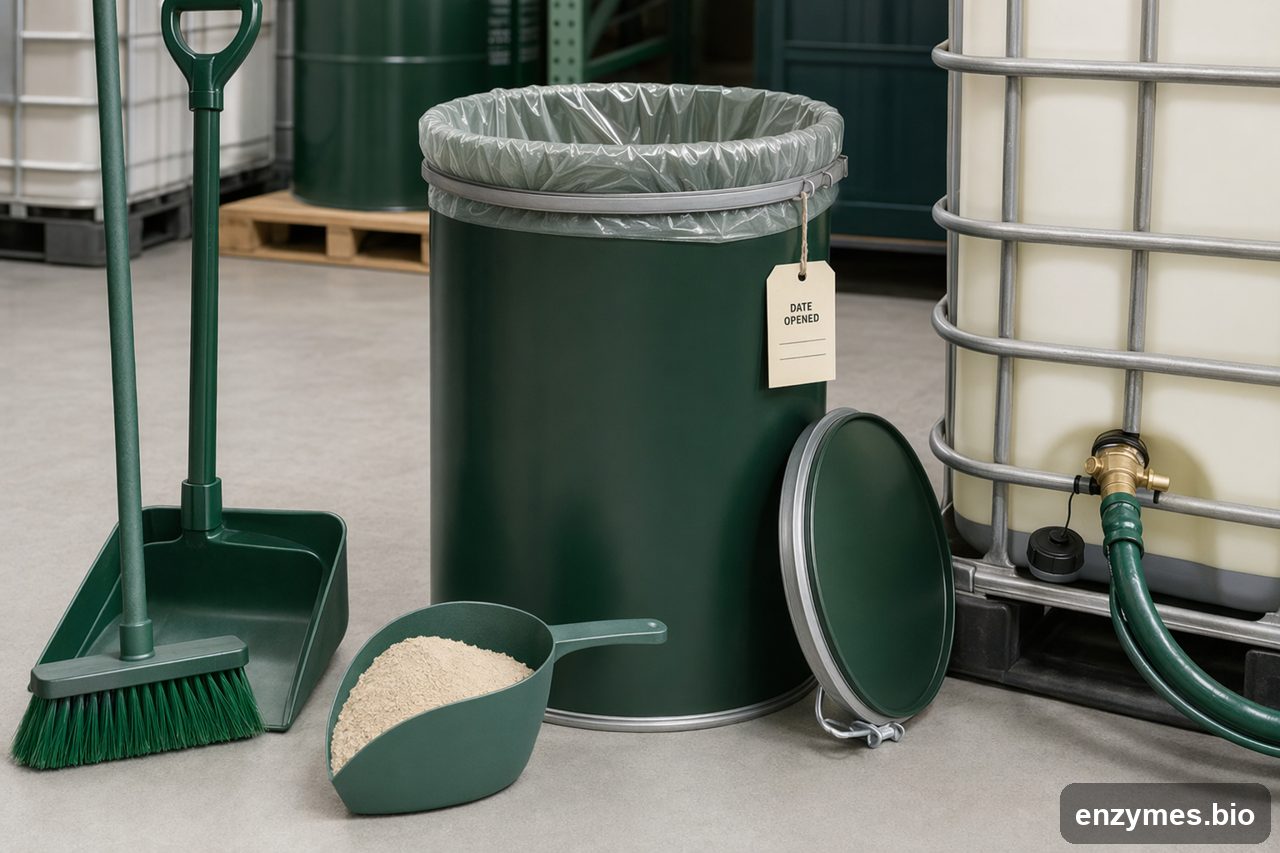
Mark the date opened and opened-by initials on the container.
Keep the original label intact.
Reseal immediately after dispensing.
Use clean, dry tools for dry products.
Use closed or capped hoses for liquids.
Do not return unused enzyme from a dosing vessel back into the original container.
Do not mix lots in the same drum, tote, hopper, or day tank unless your QA system allows it.
Keep opened stock in a defined working area with first-opened, first-used rotation.
For liquid day tanks, confirm that residence time, agitation, temperature, and cleanout frequency are compatible with the enzyme formulation. A day tank can be an excellent process buffer or a slow degradation point depending on how it is managed.
Temperature excursions: how to respond
When a xylanase shipment or storage location experiences an excursion, the right response is structured, not improvised.
Whether production has already used any affected stock.
Then quarantine the lot and ask for a technical review. In many cases, disposition depends on formulation, exposure severity, remaining shelf-life, and the risk tolerance of the receiving process.
Production handling: protect the enzyme until contact with substrate
Xylanase is selected for its action on xylan-rich plant material, but it should not be exposed to damaging conditions before it reaches the intended process window.
Production teams should control:
Premix time: avoid long holds in aggressive premixes unless validated.
Premix chemistry: strong oxidizers, extreme pH, residual sanitizer, or incompatible preservatives can reduce enzyme performance.
Heat exposure before substrate contact: do not route enzyme through hot lines or tanks unless the formulation and process design support it.
Dosing accuracy: use calibrated pumps, feeders, or scales; poor metering can be mistaken for enzyme instability.
Water quality for dilution: very hot dilution water, incompatible chemicals, or contaminated tanks can create avoidable loss.
Order of addition: add the enzyme where it has the best chance to contact hydrated substrate under the right process conditions.
The goal is simple: keep xylanase protected during storage and transfer, then give it controlled access to the hemicellulose network when the process is ready.
Shelf-life management for procurement teams
Procurement decisions influence enzyme performance long before the material enters the plant.
Useful purchasing controls include:
Match order quantity to realistic consumption, not just freight efficiency.
Ask for remaining shelf-life expectations before shipment.
Coordinate seasonal transport protection for hot or freezing lanes.
Avoid over-ordering specialty grades that will sit beyond planned usage.
Align package size with dosing frequency and opened-container handling.
Use supplier lot traceability in your ERP or inventory system.
Confirm whether retest or technical review is available for aged stock.
A lower delivered price can become expensive if the site carries too much inventory, opens too many containers, or uses a package format that does not match production behavior.
Signs that stored xylanase may need review
Escalate to QA or technical support if you see:
Unexpected viscosity, filtration, extraction, or drainage changes in production.
Needing repeated dose increases to achieve the same process result.
Liquid separation, gas pressure, odor, growth, or leaking seals.
Significant deviation from normal warehouse temperature or humidity.
Containers found open, unlabeled, mixed, or outside the approved storage zone.
A mismatch between inventory records and physical lot identity.
Not every process variation is an enzyme storage problem. Raw material xylan content, particle size, pH, temperature, residence time, mixing, and competing additives also matter. But storage and handling should be ruled out early because they are controllable.
Practical SOP elements for xylanase handling
A strong internal SOP should define:
Approved storage locations and temperature expectations.
Receiving inspection and quarantine steps.
FIFO or FEFO rotation rules.
Opened-container labeling and maximum working time.
Cleaning requirements for pumps, hoses, scoops, feeders, and day tanks.
Spill response and dust-control procedures.
PPE requirements based on the SDS.
Lot traceability from receipt to batch record.
Deviation response for temperature, moisture, contamination, or damaged packaging.
Contacts for QA, production, procurement, and technical review.
Keep the SOP short enough that operators will use it, but specific enough that two shifts handle the enzyme the same way.
Safety note for enzyme handling
Industrial enzymes can be respiratory sensitizers. Follow the product SDS and site EHS procedures. Use appropriate containment, ventilation, hygiene, and PPE for the format being handled. Avoid generating dust or aerosols, and clean spills promptly using the method approved by your safety team.
Commercial takeaway
Xylanase performance is not determined only by enzyme selection. It is preserved or lost through packaging, storage, receiving discipline, warehouse layout, opened-container control, and production dosing practice.
For bulk buyers, the best storage program does three things well:
Keeps unopened inventory stable and traceable.
Protects opened material from heat, moisture, contamination, and repeated exposure.
Connects process drift back to lot history before costly assumptions are made.
If your site is qualifying xylanase, changing package formats, reviewing shelf-life exposure, or troubleshooting bulk handling losses, Hemivane can help define a fit-for-purpose supply and handling plan.
Request xylanase pricing or handling support
Use the form below to request a quote, get pricing, or ask for storage and handling guidance for your application.