Hemivane — learn
Xylanase Compatibility With Other Industrial Enzymes
A practical guide to building xylanase enzyme blends for feed, baking, brewing, pulp, biomass, and plant-based processing applications.
Xylanase is rarely used in isolation when the substrate is a real agricultural or wood-derived matrix. Wheat bran, corn fiber, arabinoxylan-rich flour, pulp, brewer’s grains, and lignocellulosic biomass all contain layered structures: hemicellulose, cellulose, starch, protein, pectin, lignin, minerals, and soluble gums interlocked in the same particle.
The commercial question is not simply whether xylanase works. It is whether Xylanase (endo-1,4-β-xylanase) works predictably alongside the other enzymes needed to open the matrix, reduce viscosity, improve extractability, or stabilize process flow.
This guide is written for R&D teams, formulators, process engineers, procurement managers, and technical buyers evaluating multi-enzyme systems.
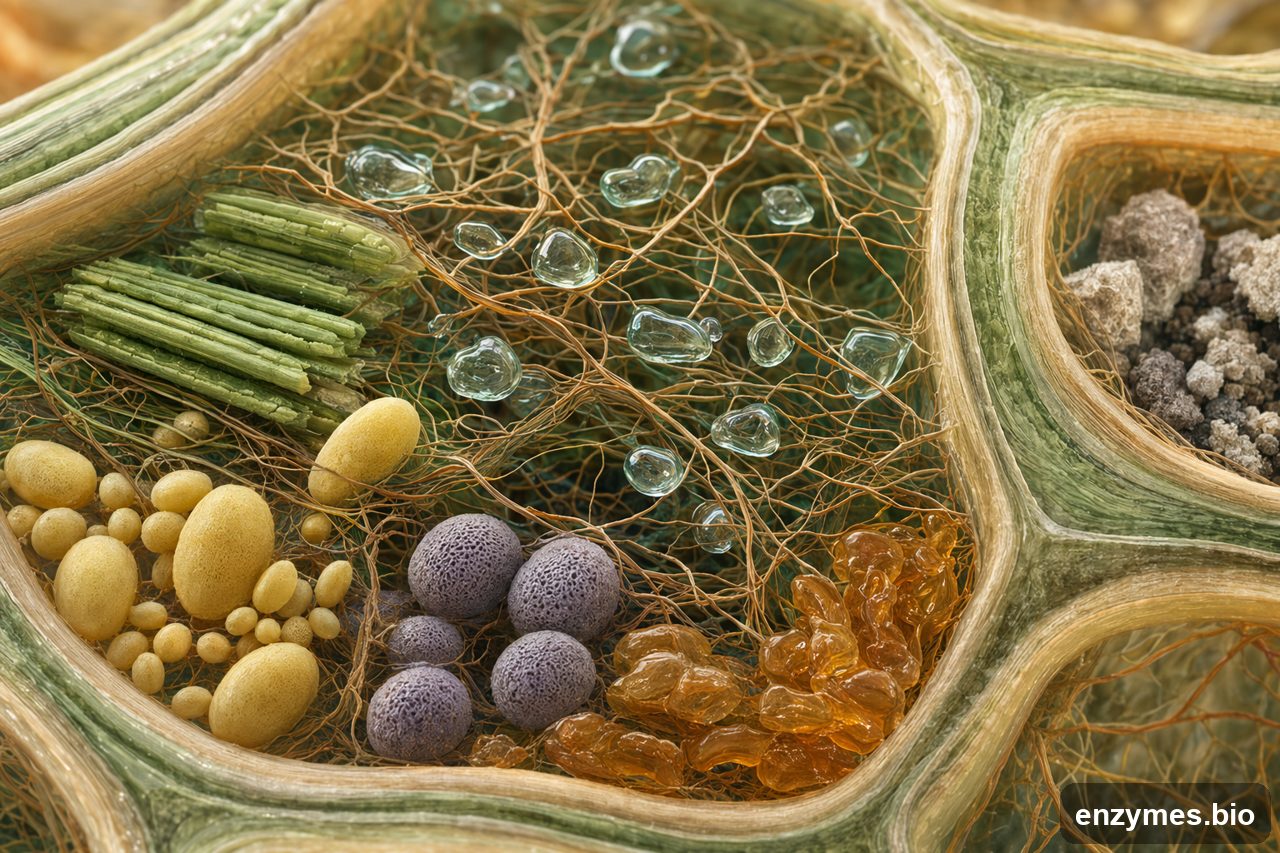
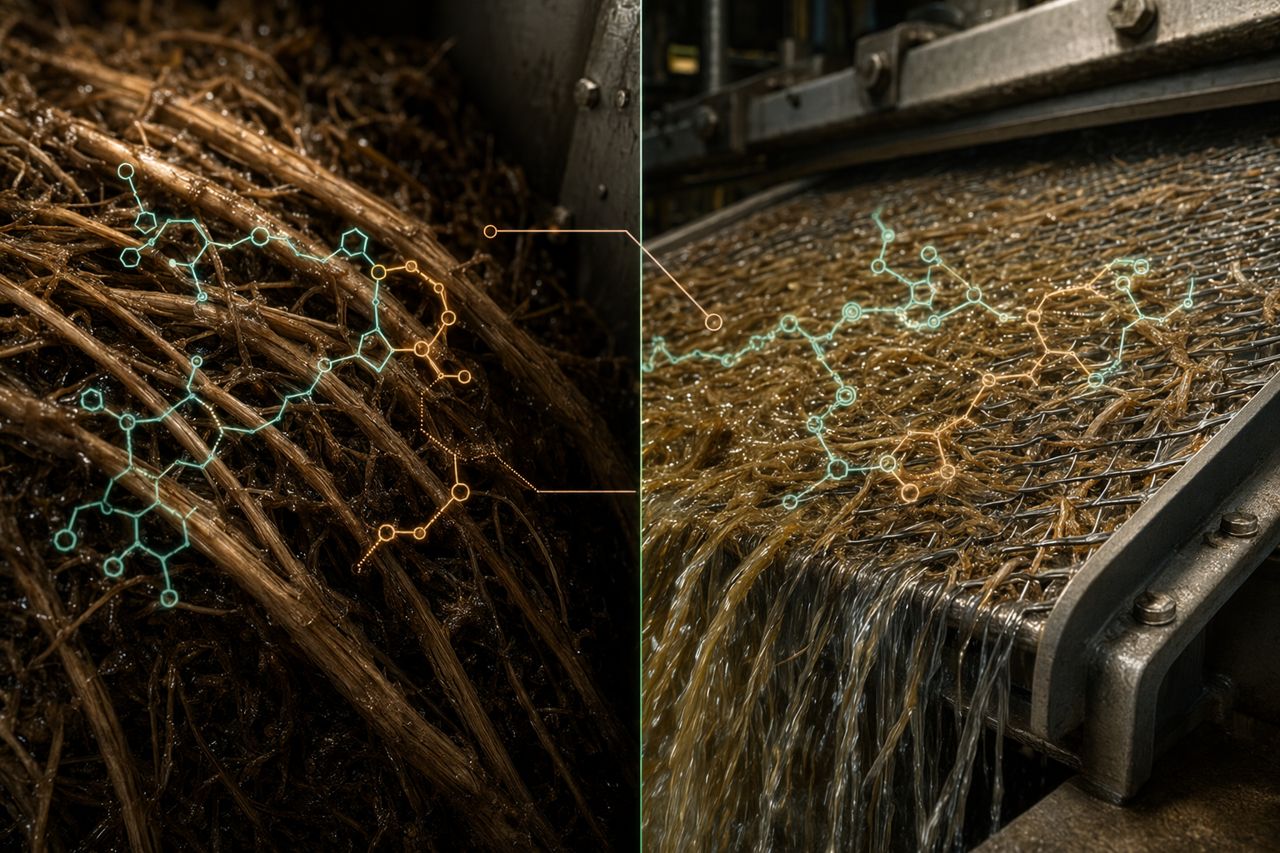
Xylanase targets xylan, a major hemicellulose component in plant cell walls. In many cereal, fiber, and biomass systems, xylan behaves like a structural mesh. It traps water, binds to cellulose, restricts starch or protein access, and contributes to viscosity.
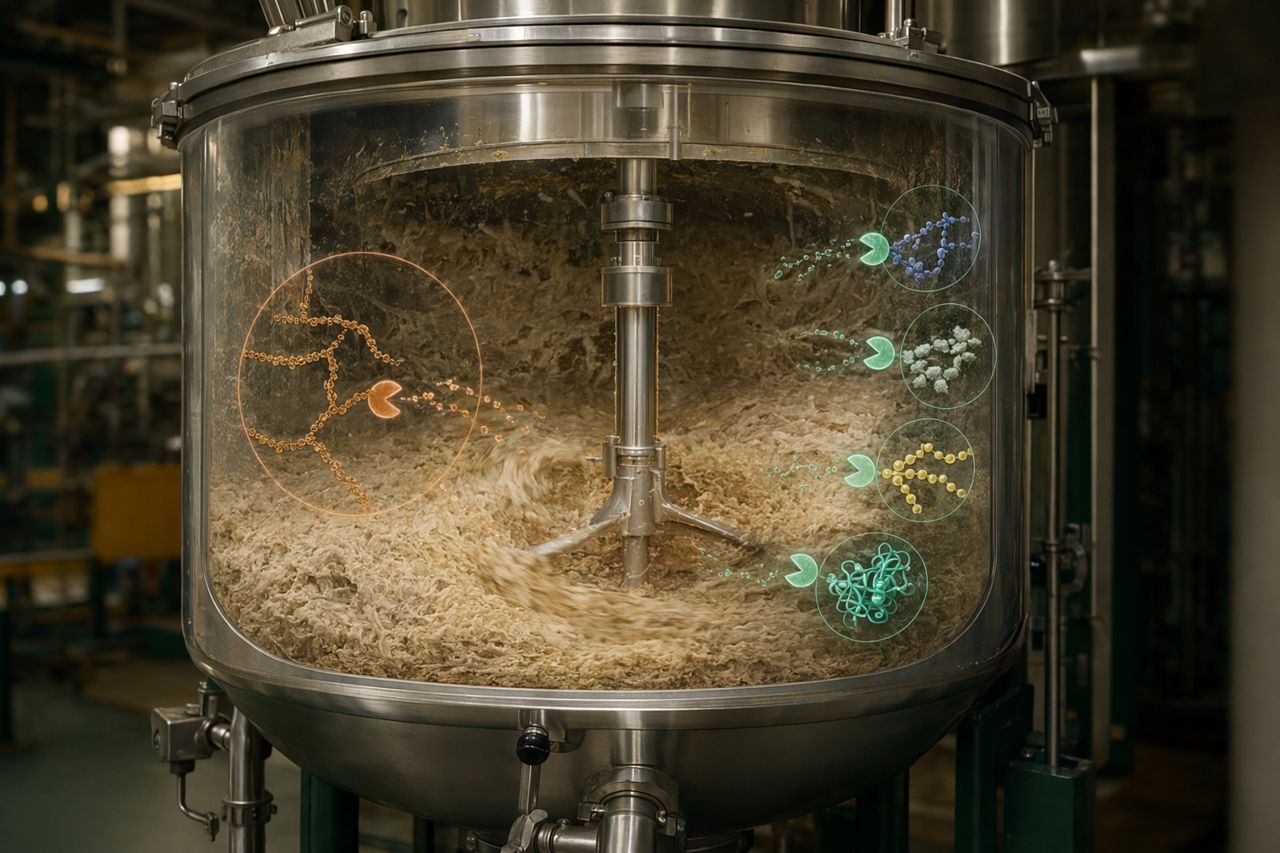
When xylanase opens that mesh, other enzymes often gain better access to their own substrates. This is why xylanase is frequently paired with enzymes that act on cellulose, beta-glucan, starch, protein, pectin, or mannan structures.
Commercially, a well-built xylanase blend can support:
The benefit depends on substrate composition and process conditions. Compatibility must be engineered, not assumed.
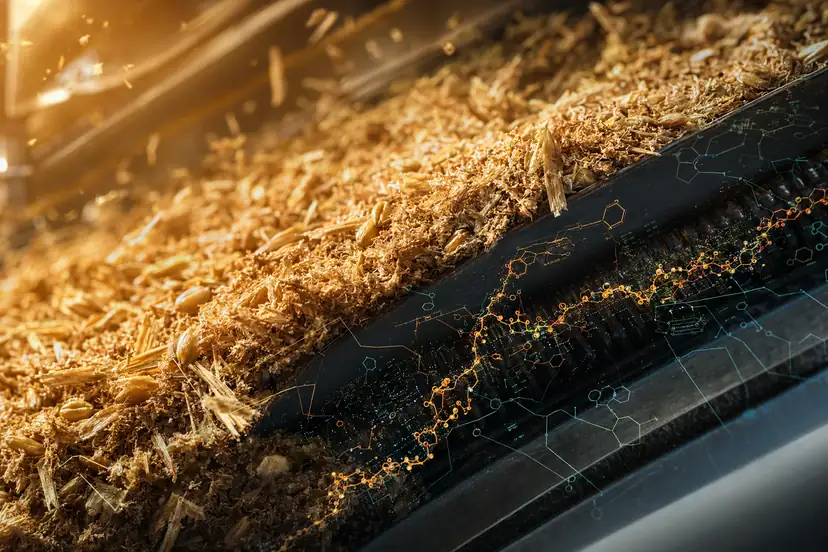
Typical use areas: biomass conversion, pulp and paper, feed, plant fiber processing, agricultural by-product valorization.
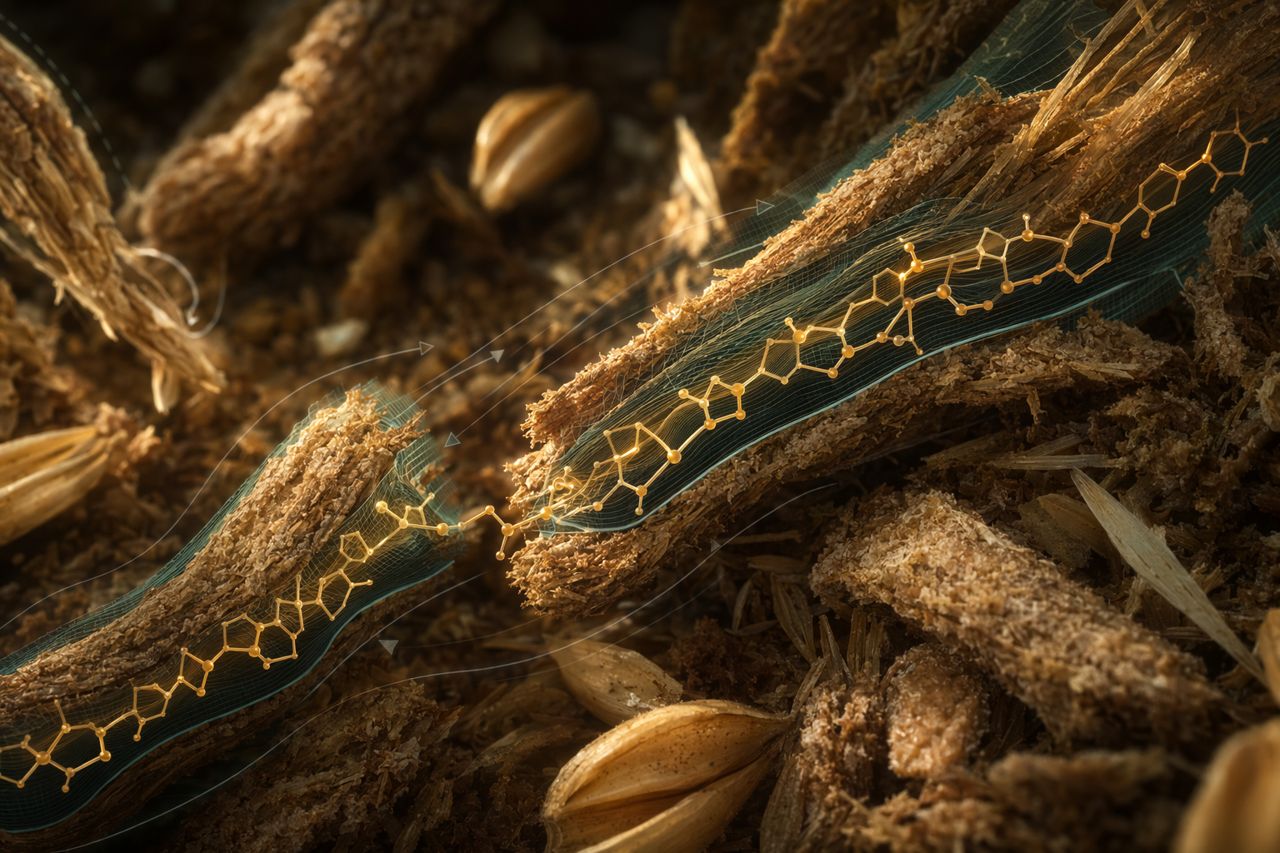
Cellulase attacks cellulose-rich regions while xylanase opens hemicellulose around those fibers. In lignocellulosic systems, xylan can physically shield cellulose. Removing or loosening part of that xylan barrier can improve cellulase access.
This pairing is useful when the process target is fiber deconstruction, improved digestibility, or better extraction from crop residues and wood-derived materials.
Watchpoints:
Typical use areas: brewing, animal feed, cereal processing, oat and barley systems.
Beta-glucan and arabinoxylan both contribute to viscosity in cereal-based processes. Xylanase reduces xylan-related viscosity; beta-glucanase reduces beta-glucan-related viscosity. Together, they can improve flow, filtration, and nutrient availability in grain-heavy systems.
This combination is particularly relevant in barley, wheat, rye, triticale, and mixed-grain formulations.
Watchpoints:
Typical use areas: baking, brewing, distilling, starch processing, cereal-based fermentation.
Amylase acts on starch; xylanase improves access and water distribution in the flour or grain matrix. In baking, xylanase can influence dough handling and loaf volume by modifying arabinoxylans. Amylase contributes fermentable sugars and crumb effects. In brewing and fermentation, xylanase may support improved separation and extract movement while amylase drives starch conversion.

Watchpoints:
Typical use areas: baking, feed, plant protein extraction, cereal processing.
Protease breaks protein networks, while xylanase modifies the hemicellulose matrix. In cereal processing, these actions can be complementary: xylanase improves fiber openness; protease changes protein-bound structure and releases peptides.
In baking, this pairing must be handled carefully because both enzymes can affect dough rheology. In feed and plant extraction systems, the combination can improve nutrient access and process efficiency.
Watchpoints:
Typical use areas: fruit and vegetable processing, plant extract clarification, fiber extraction, juice and botanical processing.
Pectinase works on pectin-rich structures; xylanase works on hemicellulose. In plant tissues where pectin and hemicellulose both contribute to viscosity or solids retention, the combination can improve juice yield, clarification, or extract release.
Watchpoints:
Typical use areas: feed, coffee extraction, guar-containing systems, legume processing, palm kernel and copra meals.
Mannanase targets mannans and galactomannans. Xylanase targets xylans and arabinoxylans. In mixed feed ingredients or botanical extracts, both polymers can drive viscosity and nutrient encapsulation.
Watchpoints:
Typical use areas: animal feed and cereal processing.
Phytase targets phytate-bound phosphorus, while xylanase opens fiber structures that can limit nutrient release. The pairing is common where feed digestibility and nutrient availability are key objectives.
Watchpoints:
Every enzyme has a useful operating window. In a blend, the practical window is the overlap between all components and the real process. A xylanase may perform well in one cereal slurry but behave differently in a more acidic fruit extract, an alkaline pulp stage, or a heated feed step.

For industrial screening, define:
Xylanase compatibility depends on what blocks access. In wheat flour, arabinoxylans influence dough water and gluten interaction. In wood pulp, xylan is embedded in a cellulose-lignin structure. In animal feed, fiber, starch, protein, and phytate all compete for attention.
A useful blend starts with substrate mapping:
Some enzyme systems benefit from simultaneous treatment. Others perform better when xylanase is used as an opening step before cellulase, amylase, protease, or pectinase.
Sequence matters when:
Xylanase blends may be supplied as dry powders, granules, or liquids depending on use case. The format affects compatibility as much as the enzyme list.
Key formulation questions include:
Compatibility during processing is only half the story. A blend also needs to remain stable through warehousing, shipping, and plant handling. Protease-containing blends, high-moisture systems, reactive salts, and extreme pH environments require special attention.
For commercial qualification, evaluate:
In feed, xylanase is commonly combined with phytase, beta-glucanase, cellulase, protease, amylase, or mannanase. The goal is improved nutrient availability and more consistent performance across variable grain and by-product inputs.
A practical feed blend should consider:
In baking, xylanase can improve dough handling, gas retention, and crumb structure when paired carefully with amylase, lipase, glucose oxidase, or protease. The blend must be balanced because small shifts in water behavior and gluten interaction can change machinability.
A practical bakery blend should consider:
Xylanase can support lower viscosity and improved separation in grain-based processes, especially when used with beta-glucanase and amylase. In high-solids systems, the right blend may improve pumping and lautering behavior.
A practical cereal fermentation blend should consider:
In pulp applications, xylanase is used to modify hemicellulose in ways that can improve bleachability, drainage, or fiber processing. It may be used with cellulase, laccase-related systems, or other fiber-modifying enzymes depending on the process.
A practical pulp blend should consider:
For biomass, xylanase often works with cellulase, beta-glucosidase, mannanase, pectinase, and accessory hemicellulases. The blend must match pretreatment severity and feedstock composition.
A practical biomass blend should consider:
A reliable qualification plan should connect enzyme performance to plant economics. Avoid screening only for laboratory conversion. Instead, measure the outcomes that affect the production line.
Recommended evaluation steps:
A broad enzyme cocktail can look attractive on paper, but each component should have a job. If a substrate does not contain meaningful pectin, mannan, or beta-glucan, those enzymes may add cost without value.
Protease can be highly useful, but it needs careful formulation. In some liquid blends or long storage conditions, protease may compromise other enzyme proteins unless protected, separated, or used in the right format.
Wheat, rye, barley, corn, sorghum, and by-products vary widely. A blend that performs well in one ingredient system may underperform in another unless raw material variability is built into the test plan.
Viscosity reduction is important, but xylanase can also influence access, separation, dough rheology, fiber opening, extract yield, and process stability.
The best enzyme profile can fail commercially if it is difficult to dose, dusty, unstable, incompatible with a premix, or poorly matched to the customer’s addition point.
Before requesting pricing or samples, prepare the following information:
This information allows a supplier to propose a technically realistic blend rather than a generic cocktail.
A well-designed xylanase blend should be easy to explain in process terms:
If those answers are clear, the blend is much more likely to scale successfully.
Tell us what substrate you are working with and what result you need from the blend. We will route your request through Hemivane’s own technical inquiry process and respond with a practical supply path.
Tell us your application and volume — we reply with pricing and lead time.
We have received your message. We will reply by email.