Hemivane — learn
Xylanase and Arabinoxylan in Wheat, Rye, and Cereal Fibers
A technical field guide to how xylanase acts on arabinoxylan in wheat, rye, barley, and cereal fiber streams across feed, baking, brewing, and grain processing.
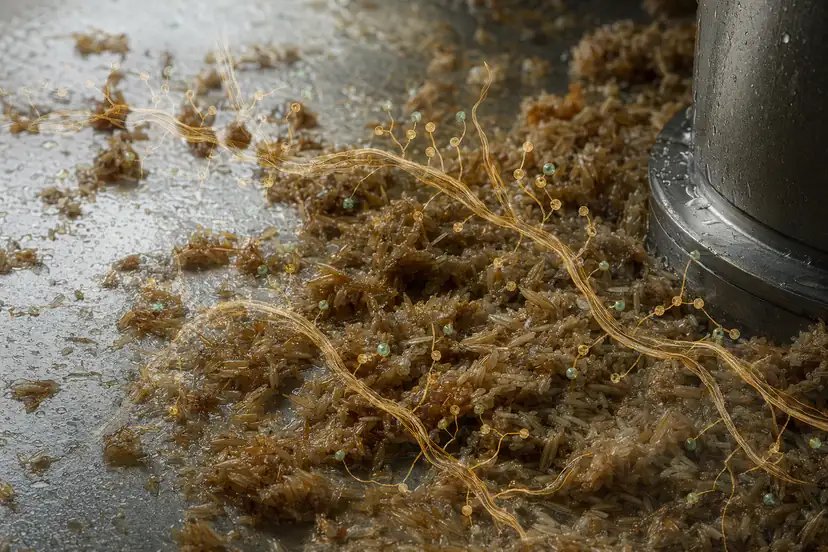
Cereal fibers do not behave like one material. Wheat bran, rye meal, barley fractions, corn fiber, and mixed grain streams can all carry arabinoxylan, but the way that arabinoxylan is built determines how it holds water, raises viscosity, limits extract release, and responds to Xylanase (endo-1,4-β-xylanase).
For process engineers, nutritionists, bakers, brewers, and grain R&D teams, the commercial question is not simply whether a cereal contains fiber. The question is whether its arabinoxylan network is accessible enough for xylanase to create a measurable processing outcome.
Hemivane focuses on that practical intersection: cereal structure, enzyme fit, and manufacturing result.
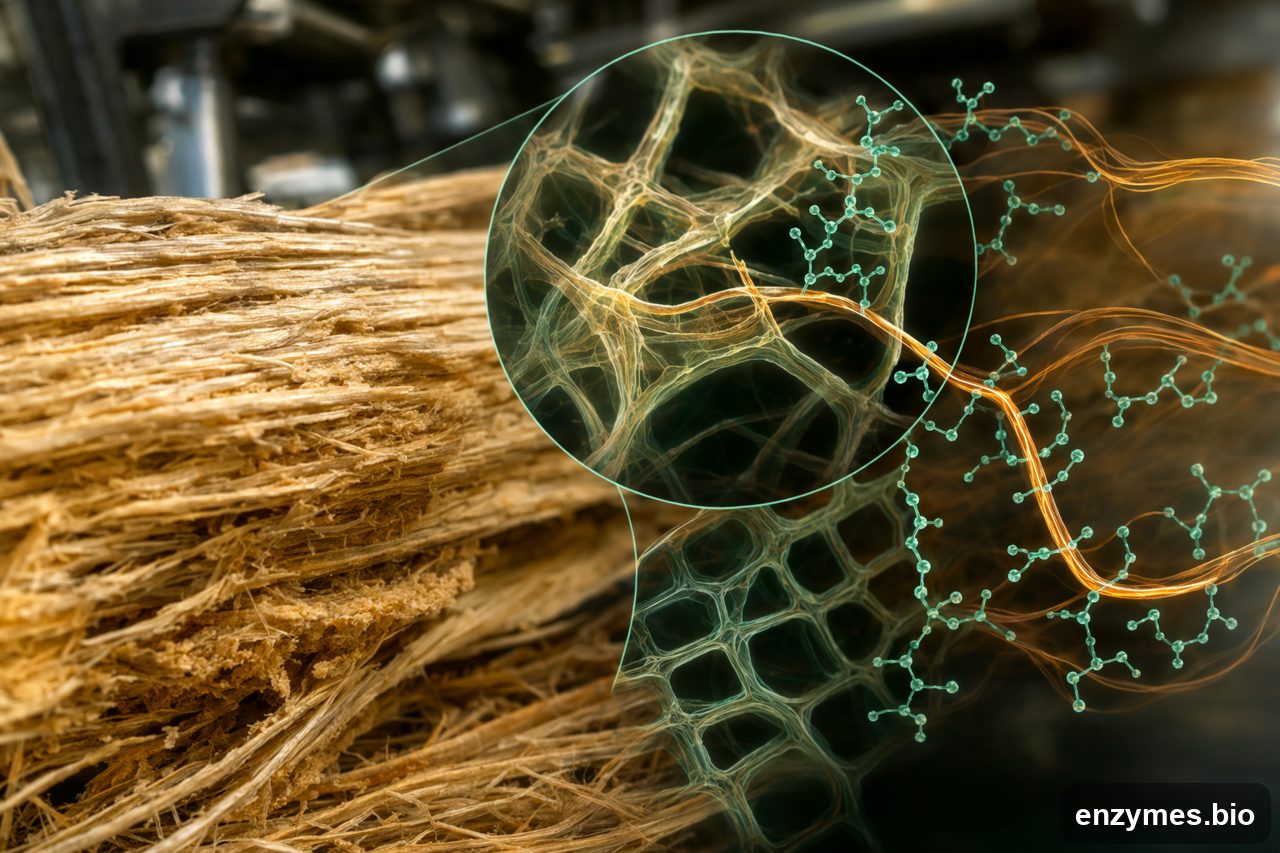
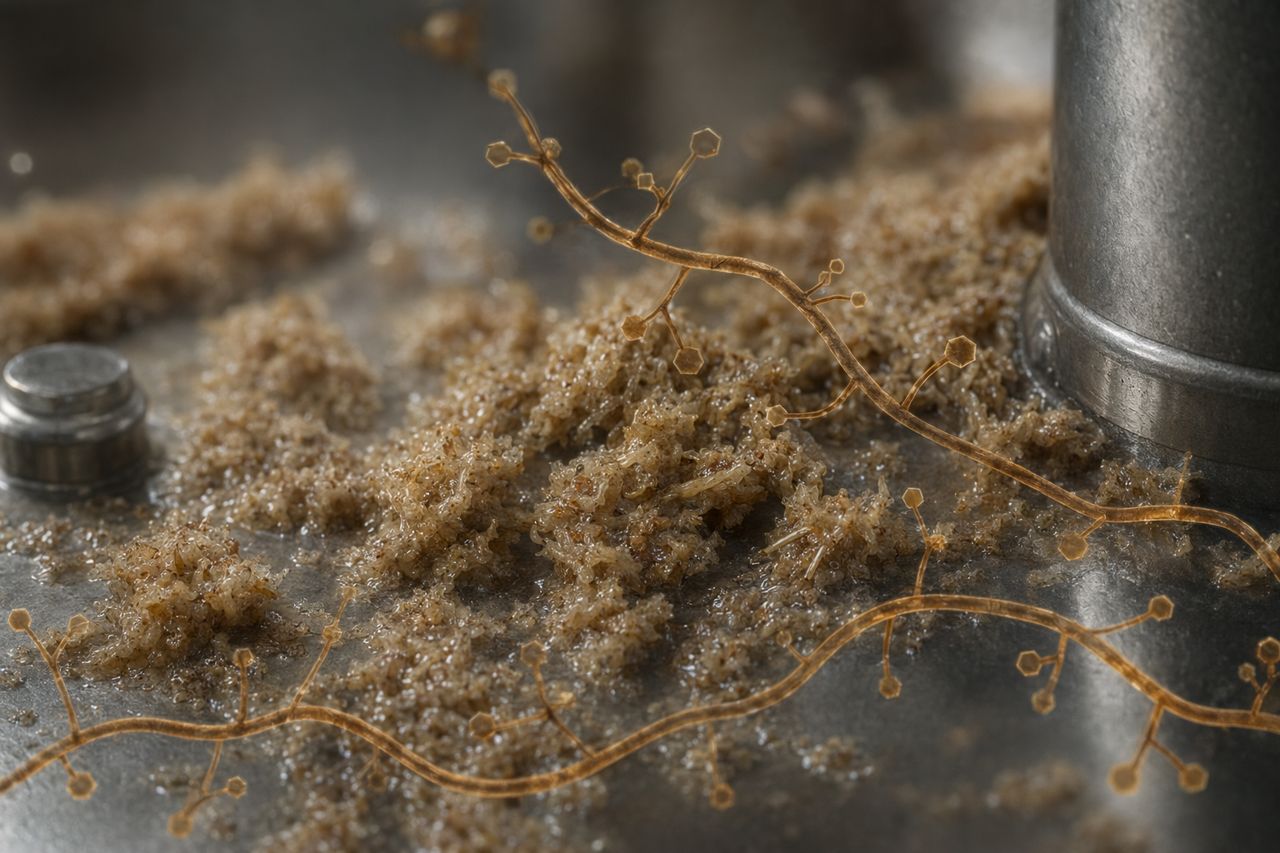
Xylanase targets the β-1,4-xylan backbone of arabinoxylan. In cereal materials, that backbone is decorated with arabinose side groups and often linked into larger cell-wall networks. Those structural details decide whether xylanase mainly lowers viscosity, improves extractability, changes dough handling, supports nutrient release, or has only a modest effect.
In practical terms:
Xylanase works best when the substrate, process pH, process temperature, residence time, and desired outcome are aligned.
Arabinoxylan is a hemicellulose. Its main chain is made of xylose units, with arabinose branches attached at different positions. In plant cell walls, this structure helps bind water, organize fiber strength, and interact with cellulose, proteins, phenolics, and starch granules.
That is why cereal arabinoxylan can create very different production problems depending on the process.
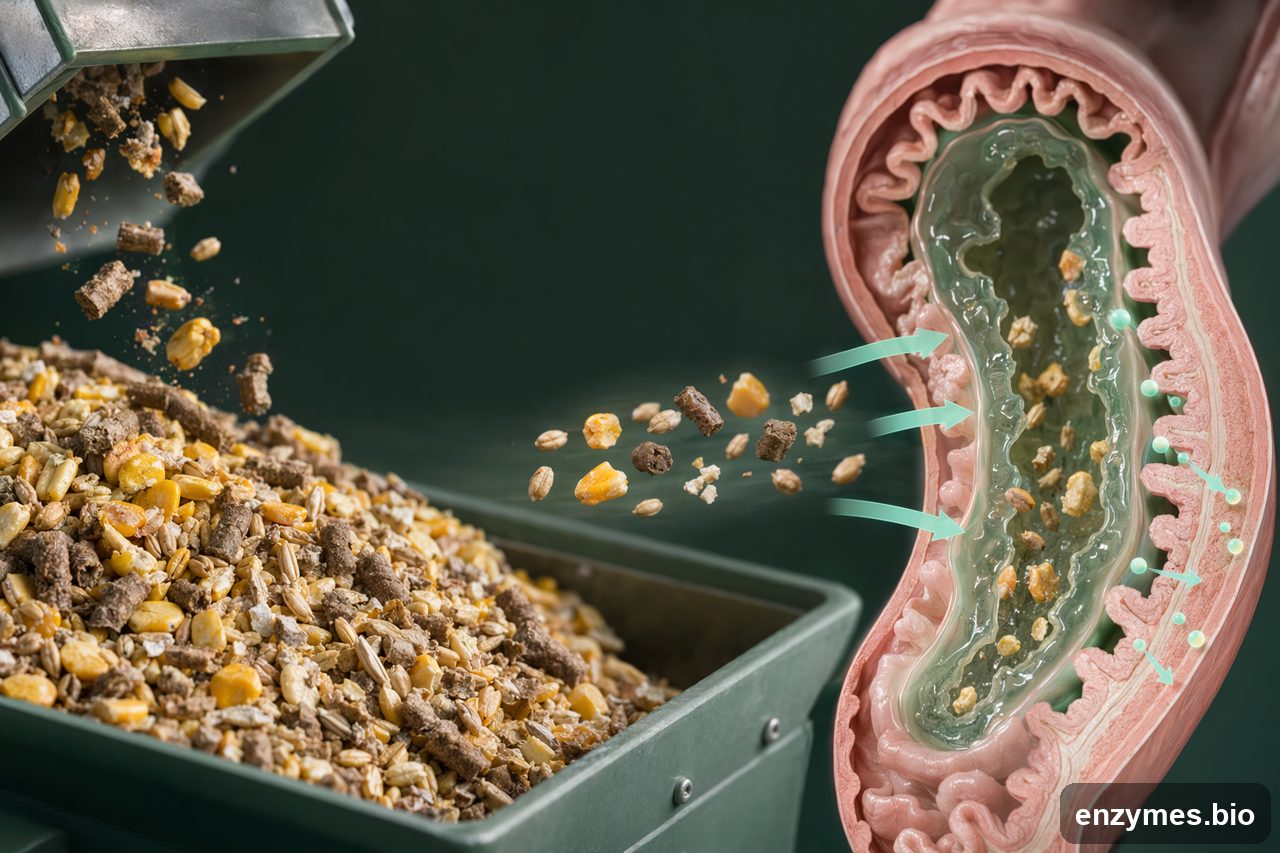
Water-soluble arabinoxylan can increase intestinal viscosity, slow nutrient diffusion, and reduce access to starch, protein, and oil bodies. Insoluble arabinoxylan can physically encapsulate nutrients inside cell-wall structures.
Arabinoxylan competes for water, affects dough development, changes gas retention, and influences loaf volume, crumb softness, and handling tolerance.
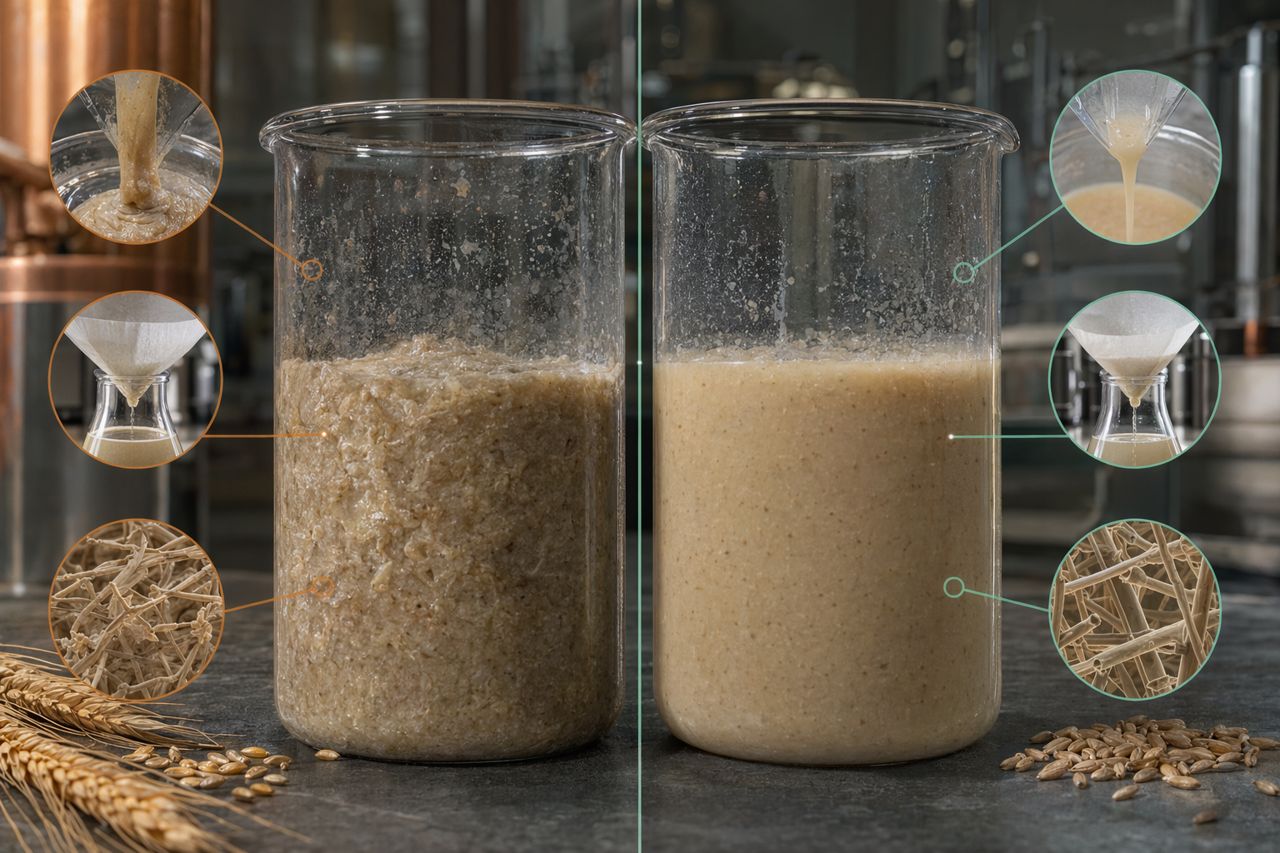
Arabinoxylan and related hemicelluloses can contribute to wort viscosity, lautering resistance, filtration load, and extract recovery challenges.
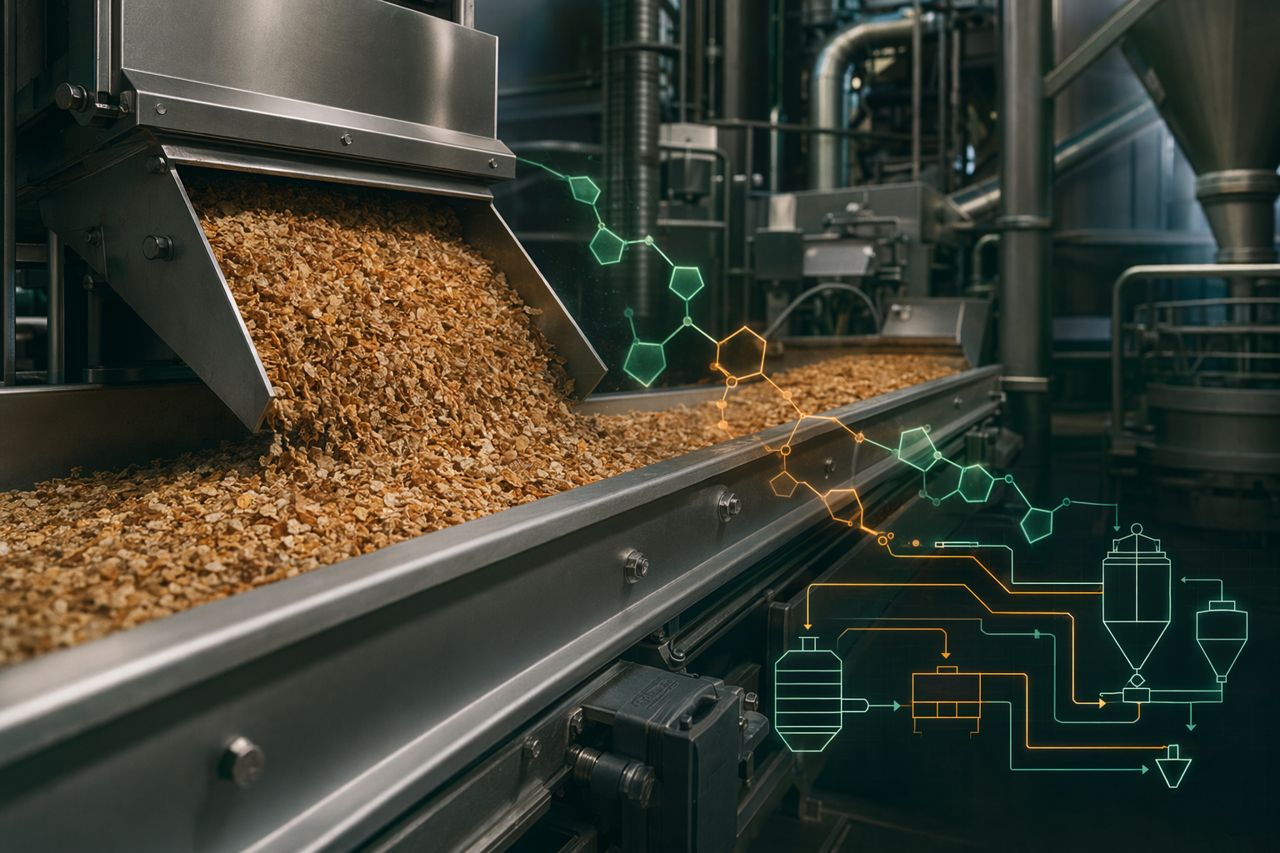
Bran, middlings, fiber concentrates, and upcycled cereal fractions can carry arabinoxylan that changes slurry viscosity, hydration speed, centrifugation behavior, and downstream separation.
The word “arabinoxylan” covers a family of related structures, not a single uniform ingredient. Xylanase performance changes with the architecture of that family.
Soluble arabinoxylan has a stronger immediate effect on viscosity. When xylanase cuts its backbone, viscosity can drop quickly because the long polymer chains become shorter and less entangling.
Insoluble arabinoxylan is more structural. It is often embedded in bran layers and cell-wall fragments. Xylanase can help open these networks, but the effect depends on milling, hydration, residence time, and whether the enzyme can physically reach the substrate.
Arabinose side branches protect or expose sections of the xylan backbone. Highly substituted arabinoxylans may be harder for some xylanases to attack efficiently. Less substituted regions may be more accessible.
This is one reason two wheat brans can perform differently, even if their total fiber content looks similar on a specification sheet.
Some arabinoxylan chains are cross-linked through ferulic acid. These bridges can strengthen cell walls and reduce enzyme accessibility. In bran-rich and whole-grain systems, cross-linking can limit how quickly xylanase changes viscosity or releases entrapped material.
Fine milling increases surface area and can improve access, but it can also release more soluble viscosity-active fiber into a slurry or dough. Coarse fractions may need more hydration time before xylanase can work effectively.
Steam treatment, pelleting, extrusion, baking, kilning, or high-temperature drying can alter water uptake and substrate exposure. Enzyme selection must consider where xylanase is added and how much functional window remains before the process becomes too hot, too dry, or too short.
Xylanase cleaves internal bonds in the xylan backbone. It does not simply “digest fiber” in a broad sense. Its value comes from targeted backbone opening.
The main practical effects are:
The best results are usually not from aggressive degradation. They come from controlled depolymerization matched to the product objective.
In monogastric feed, xylanase is commonly used to reduce the anti-nutritional effect of non-starch polysaccharides. Wheat and rye are especially relevant because their arabinoxylan fractions can increase viscosity and reduce nutrient access.
A cereal feed program should evaluate:
Xylanase selection should be based on substrate fit and process survivability, not label name alone.
In baking, arabinoxylan binds water and modifies dough structure. Xylanase can improve dough extensibility, loaf volume, crumb softness, and processing tolerance when used with the right flour system.
But balance matters. Too little action may leave dough tight and water-locked. Too much action can produce sticky dough, weak structure, or handling loss.
Useful bakery evaluation points include:
For rye systems, xylanase choice is especially important because rye pentosans can dominate dough viscosity and structure.
In brewing and grain extraction, xylanase can help manage viscosity, extract release, lautering, and filtration. It is most relevant where wheat, rye, barley, or cereal adjuncts contribute hemicellulose load.
Key process questions:
Xylanase should be validated in the real mash or slurry, because malt modification, adjunct particle size, and hold profile can change the response.
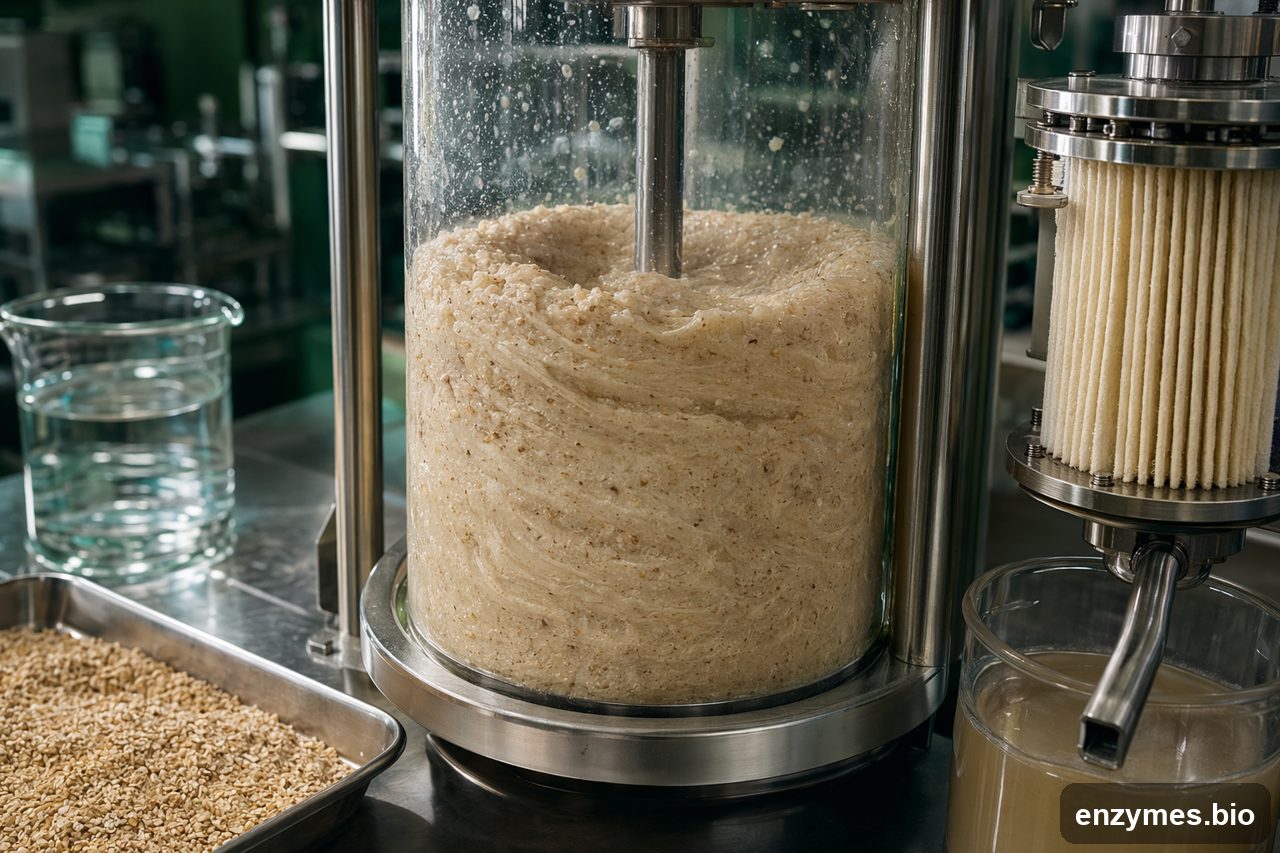
For cereal protein, starch, fiber, and upcycled ingredient lines, xylanase may help reduce slurry viscosity and improve phase separation. In bran-rich processes, it can also modify hydration behavior and release bound material.
Typical use cases include:
In these systems, enzyme timing is critical. Adding xylanase before the fiber is hydrated may limit effect. Adding it too late may create viscosity reduction after the bottleneck has already occurred.
A strong xylanase match is built around the process, not a generic checklist.
Confirm whether the target is wheat arabinoxylan, rye pentosan-rich material, barley cell-wall residue, corn fiber, or a blended cereal stream. Mixed substrates often need pilot testing because the response can be non-linear.
The enzyme must remain functional during the actual exposure window. A good lab result at one condition may not transfer if the production process has a different pH, moisture level, or heat profile.
Some applications benefit from a cleaner xylanase profile. Others may tolerate or even benefit from associated hemicellulase activities. The right answer depends on whether the process prioritizes viscosity reduction, dough structure, nutrient release, or extract improvement.
Powder, granulated, and liquid formats behave differently in premixes, feed mills, bakeries, and liquid processing systems. Consider dust control, dispersion, compatibility with carriers, and where the enzyme enters the process.
B2B buyers should confirm the documentation required for the intended market and application, including food, feed, or industrial processing status, allergen statements, origin information, and quality documentation.
Xylanase may be worth evaluating when a cereal process shows one or more of these symptoms:
These symptoms do not prove that xylanase is the full solution, but they justify structured screening.
A good xylanase trial should answer a manufacturing question, not just generate enzyme comparison data.
Total fiber content is useful, but it is not enough. Two cereal materials can have similar fiber levels and very different xylanase responses. The decisive factors are arabinoxylan solubility, substitution, cross-linking, particle size, hydration, and the process window.
That is why cereal xylanase selection should be application-specific.
For procurement and technical teams, the buying decision usually comes down to fit, reliability, and commercial relevance. Hemivane can help frame the xylanase requirement around:
The goal is not to overspecify an enzyme on paper. The goal is to select a xylanase that creates a repeatable effect in the system where it will actually run.
If you are evaluating xylanase for wheat, rye, barley, cereal bran, feed, baking, brewing, or grain ingredient manufacturing, send the process context and target outcome. Hemivane will respond with suitable options and next-step guidance.
Tell us your application and volume — we reply with pricing and lead time.
We have received your message. We will reply by email.