Hemivane — learn
What Is Xylanase? Industrial Function, Substrates & Uses
A practical B2B guide to Xylanase (endo-1,4-β-xylanase): what it acts on, how it modifies plant cell-wall fiber, and where it is used in industrial processes.
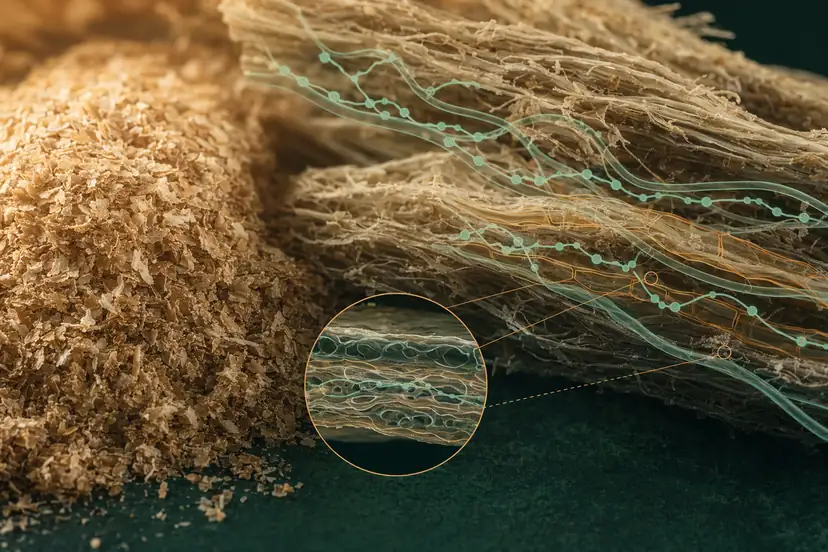
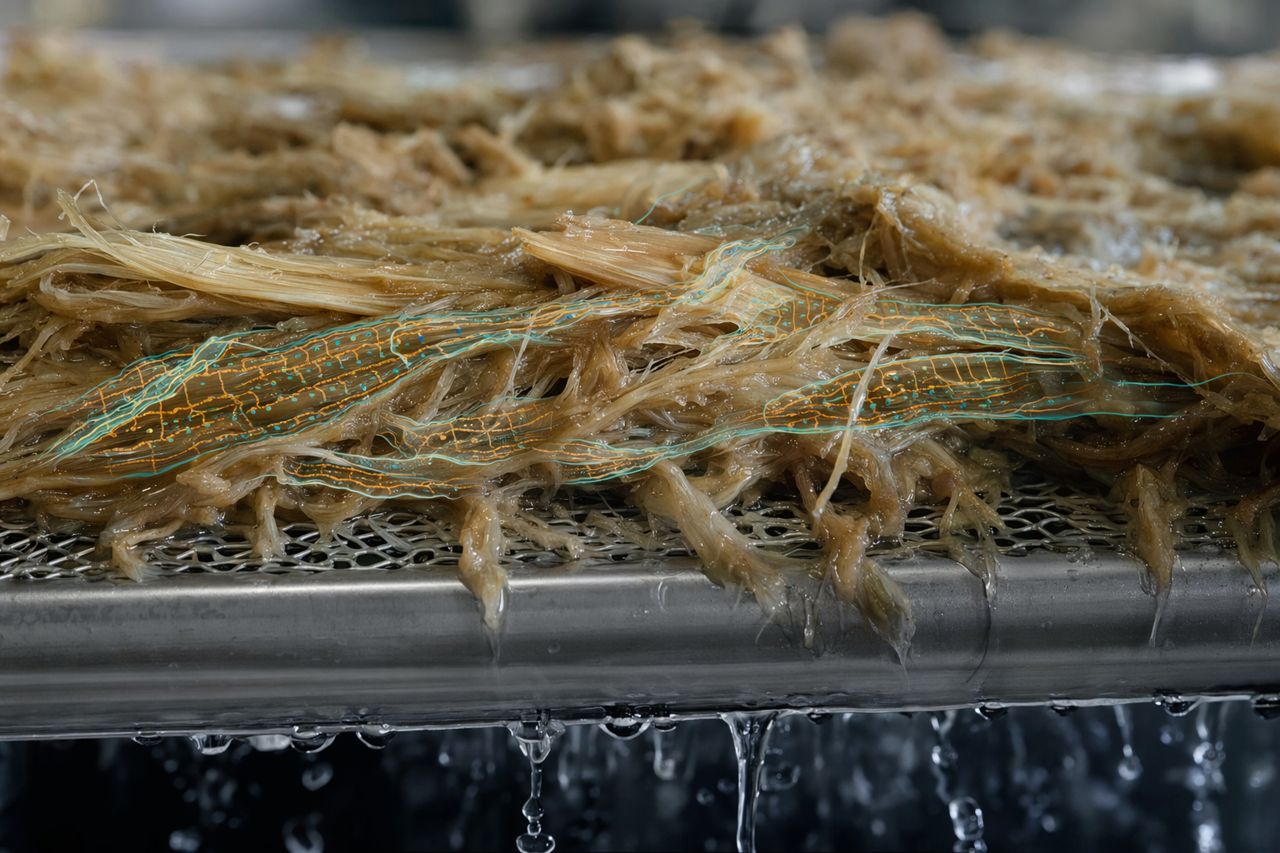
Xylanase is an enzyme used to modify xylan, a major hemicellulose found in plant cell walls. In industrial terms, it is a tool for opening fibrous raw materials: cereal bran, wheat and rye flour fractions, corn fiber, wood pulp, grasses, oilseed meals, and agricultural residues.
The proper name most often used for the core enzyme is Xylanase (endo-1,4-β-xylanase). The word endo matters. It means the enzyme cuts internal bonds within the xylan chain rather than trimming only from the ends. That internal cutting pattern is what makes xylanase valuable when a process problem is caused by long, water-binding, viscosity-building plant polysaccharides.

Xylanase does not dissolve every fiber in a material. It is selective. Its target is the xylan backbone within hemicellulose, not cellulose, starch, protein, or fat. That selectivity is useful because many industrial processes need partial fiber modification rather than full destruction of the raw material structure.
Plant cell walls are composite structures. Cellulose provides strong structural fibrils. Lignin adds rigidity in woody biomass. Hemicelluloses help bind and organize the wall. Xylan is one of the most important hemicelluloses in cereals, hardwoods, grasses, and many agricultural residues.
A xylan molecule is built mainly from a chain of xylose sugars linked by β-1,4 bonds. In real raw materials, that backbone is often decorated with side groups such as arabinose, glucuronic acid, acetyl groups, or ferulic acid linkages. These decorations influence how accessible the xylan is and how well a given xylanase will perform.
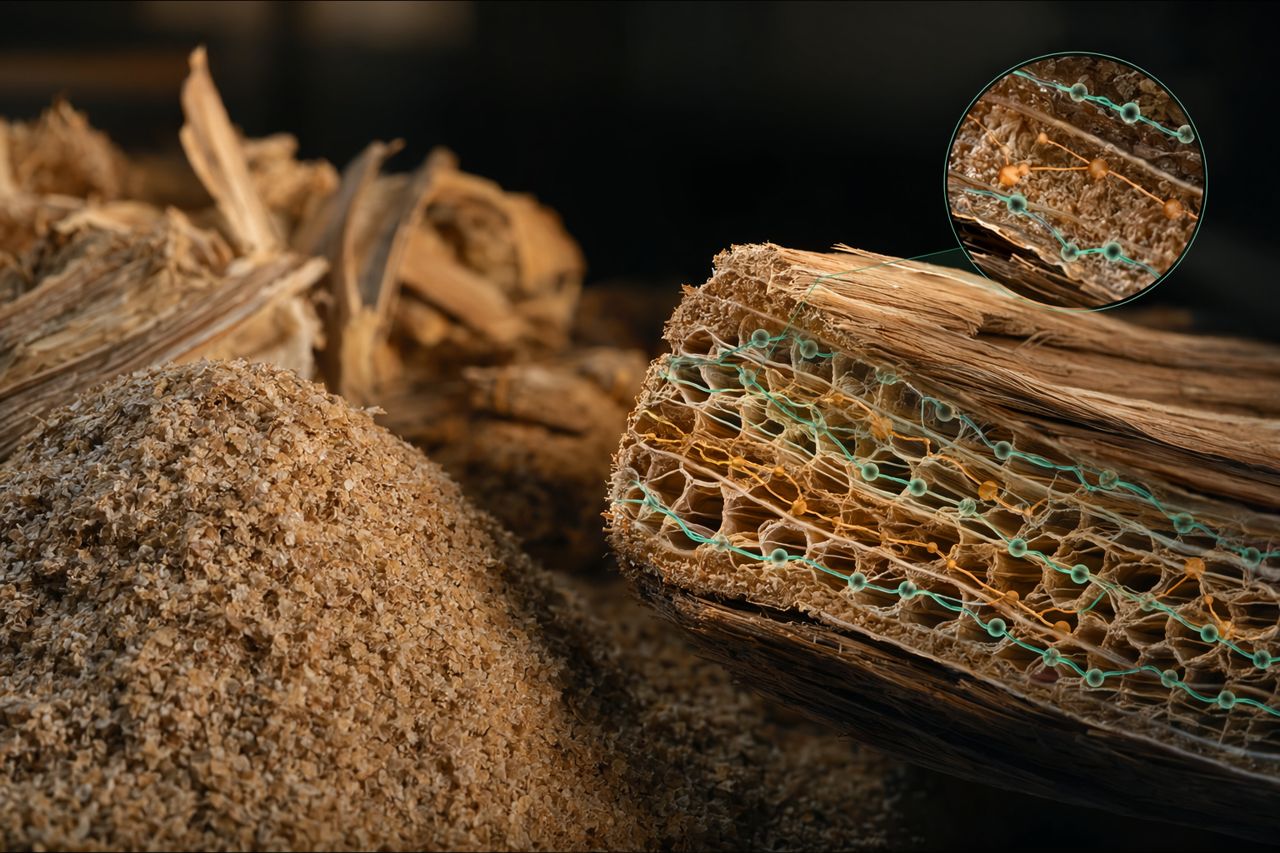
For a process engineer, the key point is simple: xylan can hold water, trap nutrients or processable solids, increase viscosity, restrict filtration, and bind with other cell-wall components. Xylanase reduces those constraints by cutting the xylan backbone into shorter fragments.
Xylanase acts like a controlled opening tool for hemicellulose. It does not need to remove the whole cell wall to create measurable process value. By cleaving internal bonds along the xylan backbone, it can:
The same enzyme class can therefore produce different outcomes depending on the raw material, process water, temperature profile, residence time, and companion enzymes.
Two xylanase preparations can share the same enzyme name and still behave differently in production. Differences may come from enzyme family, source organism, purification level, formulation, side-activity profile, coating system, and stability under the application conditions.
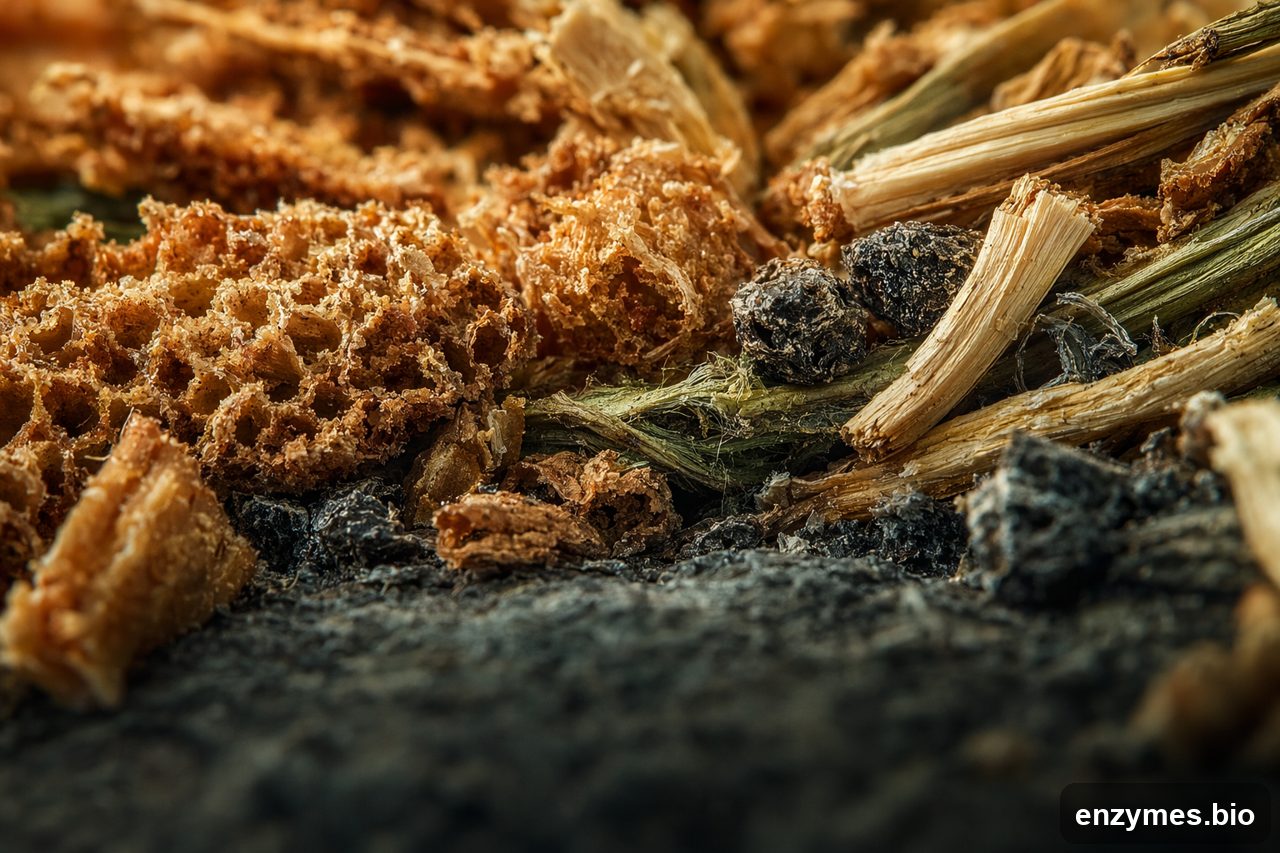
Important practical variables include:
This is why xylanase selection is usually a process-fit decision rather than a catalog-name decision.
In wheat and rye systems, xylanase acts on arabinoxylans that influence water absorption, dough rheology, loaf volume, crumb softness, and machinability. The target is controlled modification. Too little action may leave the dough tight or variable. Too much action can weaken structure, create stickiness, or reduce tolerance.
Common buyer questions in baking include:
In poultry, swine, and other monogastric diets, non-starch polysaccharides in cereals and byproducts can increase digesta viscosity and limit nutrient access. Xylanase helps break down arabinoxylan structures, supporting better nutrient release and more predictable feed conversion.
Feed applications often require attention to pelleting exposure, premix compatibility, coating strategy, and whether the diet is wheat-, corn-, rye-, barley-, or byproduct-heavy.
In pulp processing, xylanase can modify hemicellulose at the fiber surface and improve access for downstream bleaching chemistry. This can support brightness development, reduce harsh chemical load, or improve process efficiency depending on the mill sequence.
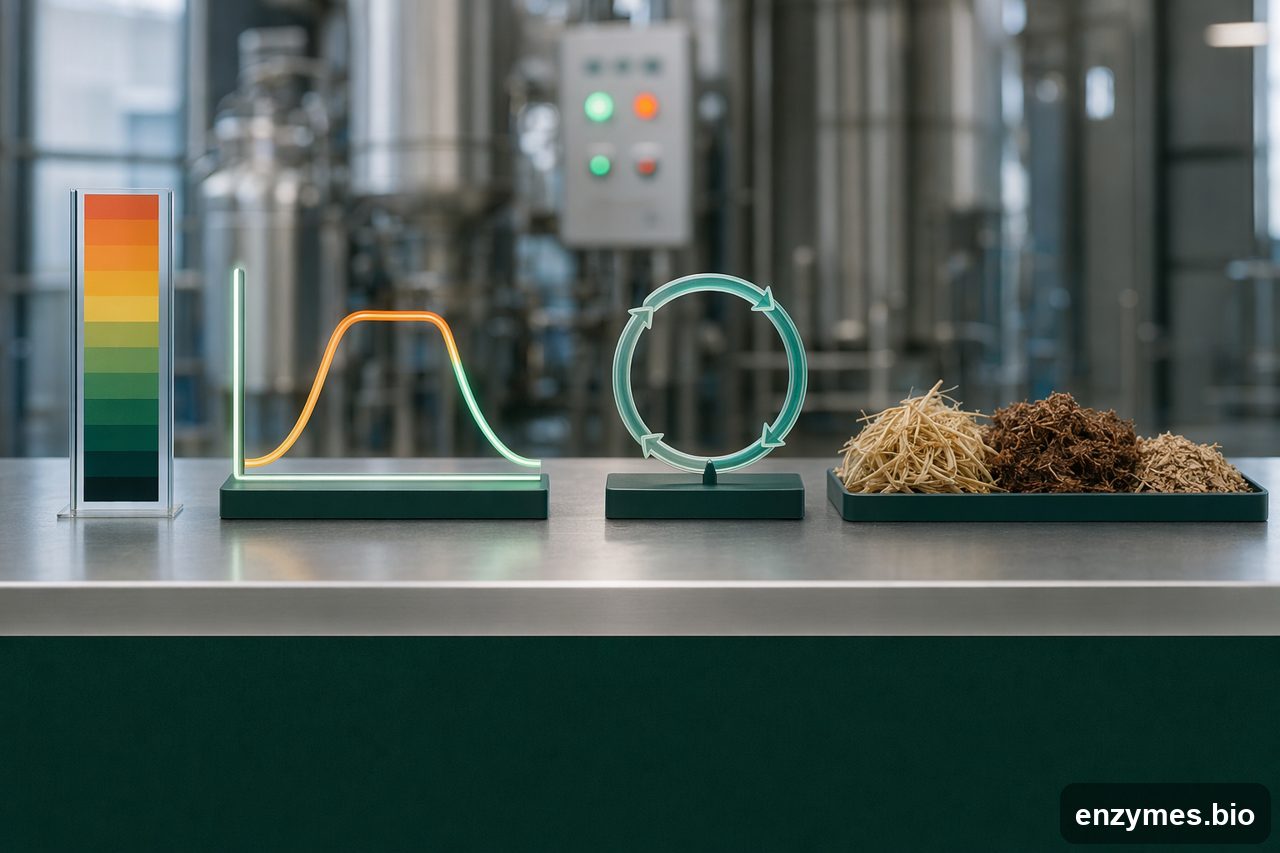
For mills, the practical fit depends on pulp type, retention time, pH, temperature, carryover chemistry, and whether the enzyme stage is positioned before oxidative steps.
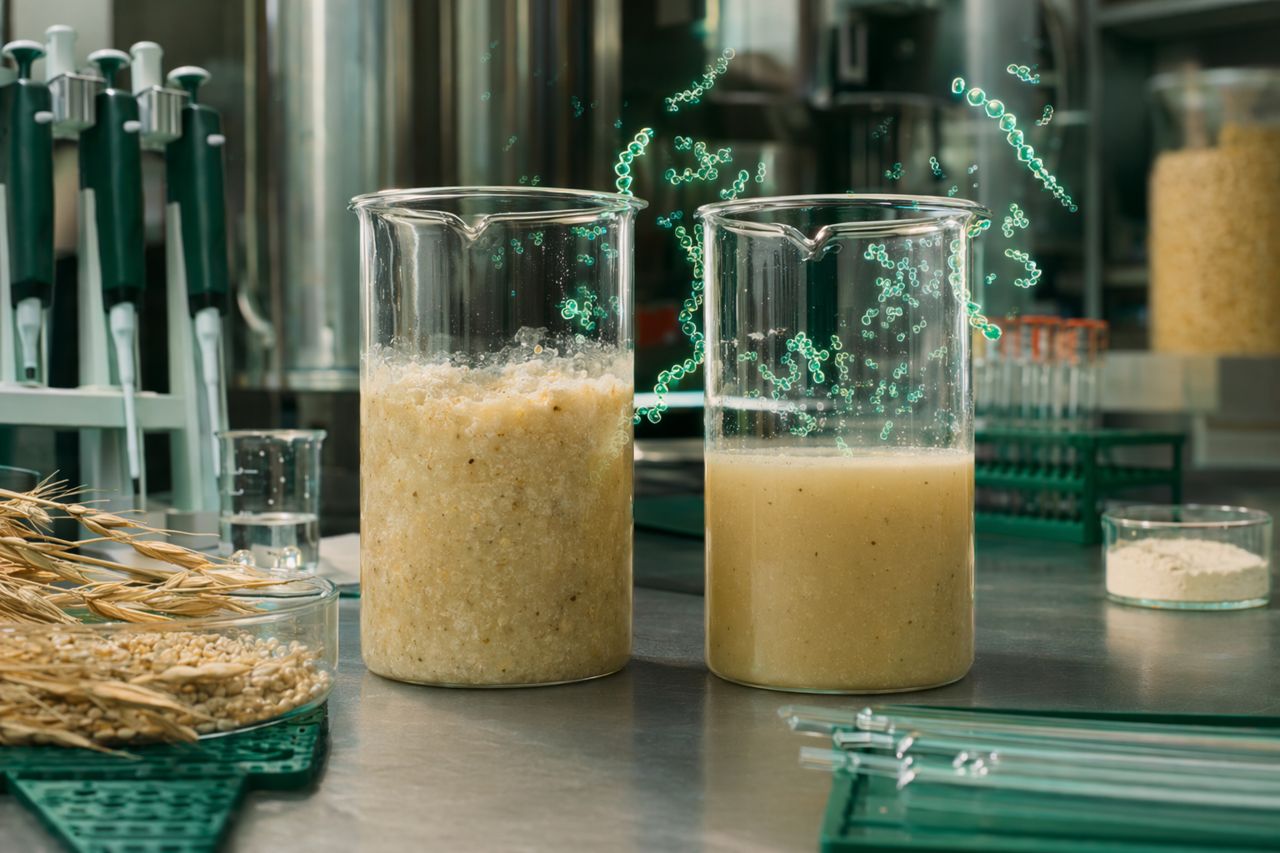
In cereal mashes and extractive processes, xylan-rich fiber can increase viscosity, slow separation, and trap fermentable or valuable material. Xylanase can help improve mash handling, lautering, filtration, and extract release.
The outcome depends heavily on grain bill, milling profile, adjunct level, thermal schedule, and whether β-glucanase, amylase, protease, or cellulase activities are also used.
Agricultural residues and grasses contain xylan as part of a recalcitrant cell-wall matrix. Xylanase can support biomass pretreatment, hydrolysis, and sugar release by opening hemicellulose and improving enzyme access to other fractions.
In this area, xylanase is usually one component of a broader enzyme system. The right specification depends on feedstock, pretreatment severity, solids loading, inhibitors, and the desired hydrolysate profile.
Xylanase is not a universal fiber enzyme. It should not be expected to replace cellulase when cellulose hydrolysis is the main target. It should not replace amylase when starch conversion is the main requirement. It should not be treated as a generic viscosity reducer without checking whether xylan is actually the cause of the viscosity.
A good evaluation starts with the raw material problem:
A useful xylanase specification should connect enzyme performance to the buyer's process conditions. Instead of focusing only on an abstract activity number, procurement and R&D teams should define the application window and expected manufacturing outcome.
Useful specification language may include:
This approach makes supplier comparisons cleaner and reduces the risk of testing an enzyme that is technically active but commercially mismatched.
For early evaluation, xylanase trials should be tied to visible process outcomes. Depending on the industry, relevant measurements may include:
The best trial plan includes a blank control, a benchmark enzyme if available, at least two treatment levels, and a defined endpoint that matters to production. Small bench screens are useful, but final decisions should account for scale effects such as mixing, heat exposure, residence time, and raw-material variability.
Xylanase is best understood as a selective hemicellulose-opening enzyme. It acts on xylan-rich structures in plant cell walls and converts long, process-limiting chains into shorter fragments. In manufacturing, that can mean lower viscosity, better release, improved handling, cleaner separation, or more efficient downstream conversion.
The right xylanase is the one that fits the substrate, survives the process, delivers the target outcome, and can be supplied consistently at commercial scale.
If you are comparing xylanase options, preparing a bench trial, or translating a process problem into a purchasing specification, send the key details. Include raw material, process pH, temperature profile, residence time, current pain point, and desired outcome.
Tell us your application and volume — we reply with pricing and lead time.
We have received your message. We will reply by email.