Fungal vs Bacterial Xylanase: Practical Differences for Formulators
Compare fungal and bacterial xylanase by process fit, pH and heat tolerance, substrate behavior, formulation risk, and purchasing questions for industrial applications.
Fungal Xylanase and Bacterial Xylanase: Practical Differences
Xylanase is not a single buying category. The practical behavior of Xylanase (endo-1,4-β-xylanase) depends on its source organism, production strain, side-activity profile, formulation, and the process environment it must survive.
For R&D teams and process engineers, the useful question is not “fungal or bacterial?” in isolation. It is: which xylanase behavior best matches the substrate, pH window, temperature exposure, residence time, and downstream specification?
This guide compares fungal and bacterial xylanase at a practical level for screening, sourcing, and formulation discussions.
What both enzyme types do
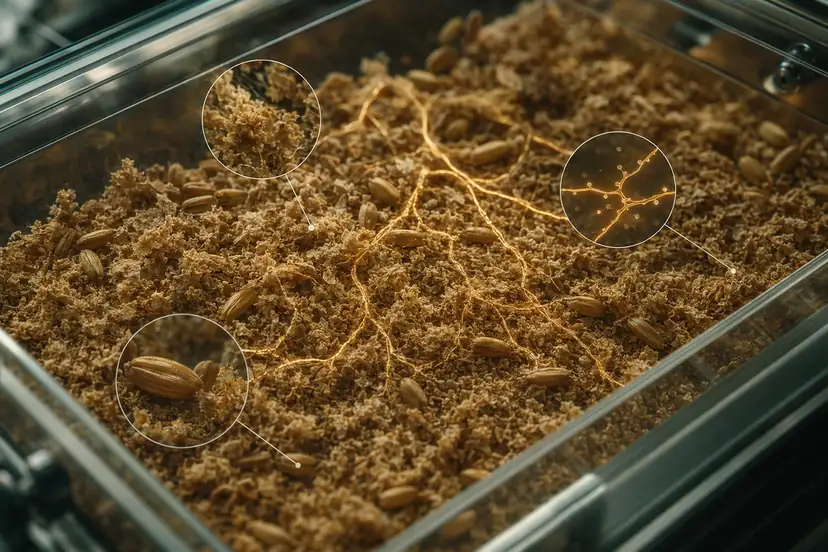
Both fungal and bacterial xylanases hydrolyze internal β-1,4 linkages in xylan, a major hemicellulose in cereal brans, agricultural residues, wood fibers, and plant cell walls.
The effect can show up as:
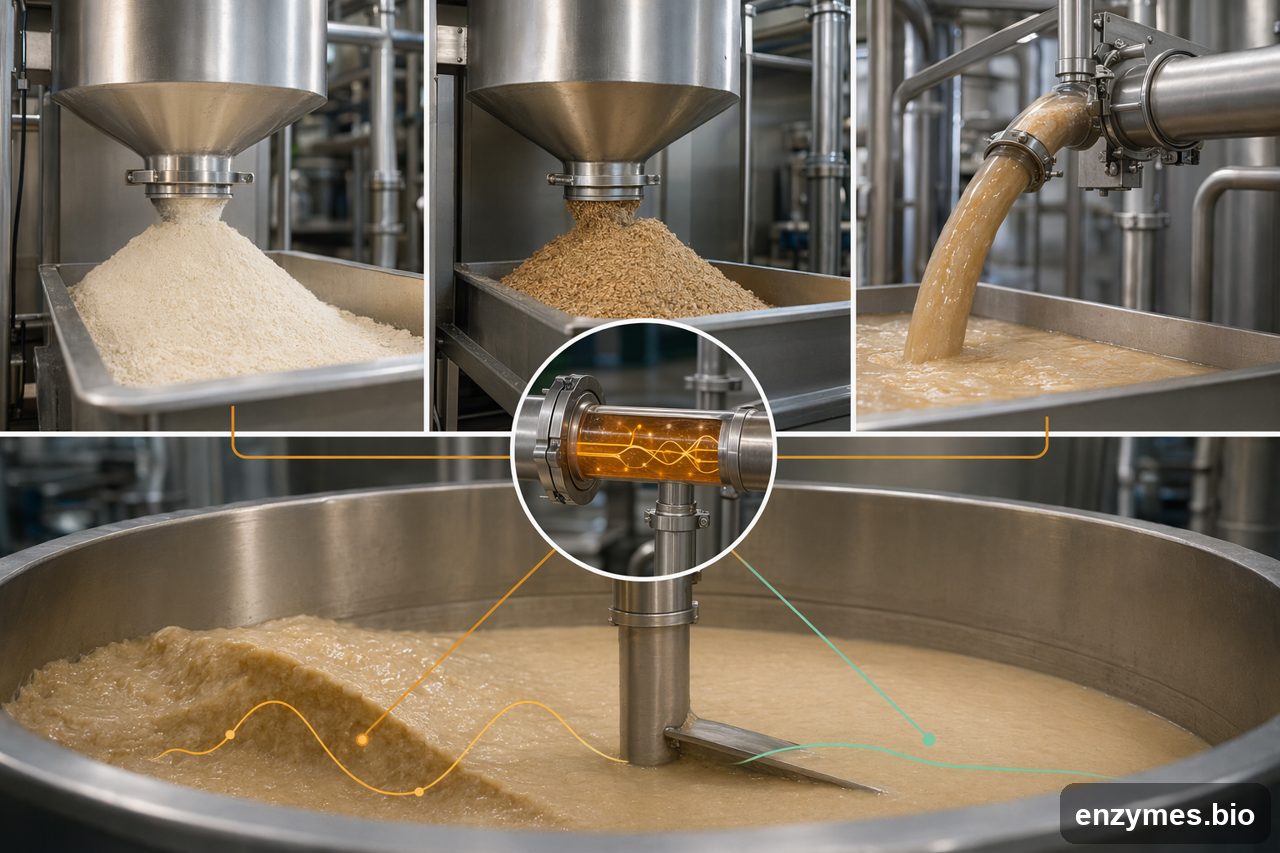
Lower slurry or mash viscosity
Improved release of entrapped soluble material
Better fiber modification
Improved drainage or filtration behavior
Modified dough handling or crumb structure in bakery systems
Greater access for companion enzymes in biomass or feed applications
The difference is not the basic reaction. The difference is how each enzyme performs under real industrial constraints.
Quick comparison: fungal vs bacterial xylanase
Factor
Fungal xylanase
Bacterial xylanase
Typical process fit
Mild to moderately warm, often acidic systems
More varied; often selected for broader pH or heat exposure
Common application logic
Baking, feed, brewing, cereal processing, some pulp and biomass uses
Often effective on cereal arabinoxylans and plant-derived fibers
Often chosen where robustness or process tolerance is central
Formulation challenge
Maintaining stability in blends and during storage
Matching robustness without unwanted side effects or cost penalty
Procurement risk
Assuming all fungal grades behave similarly
Assuming bacterial source automatically means higher stability
Use this table as a starting point, not a specification. Source category gives clues, but final selection should be based on your process trial.
Fungal xylanase: where it often fits best
Fungal xylanases are widely used because many perform well in mildly acidic, plant-based processing environments. They are often considered first when the substrate is cereal-rich or when the application depends on controlled viscosity reduction rather than aggressive fiber breakdown.
Common reasons teams evaluate fungal xylanase
Strong fit with wheat, rye, corn, and other cereal fractions
Useful performance in dough, mash, and feed matrices
Often compatible with acidic to near-neutral process conditions
Good option where controlled arabinoxylan modification is desired
Established use history across food, feed, and grain processing sectors
Practical considerations
Fungal xylanase can be sensitive to high-temperature exposure depending on the specific grade and formulation. In processes involving conditioning, pelleting, cooking, or thermal holding, stability must be tested under the actual heat profile, not inferred from source type.
Side activities also matter. A xylanase intended for bakery or feed may be screened differently from one intended for pulp or biomass. Confirm whether the product profile is designed for your matrix and whether companion activities are expected, tolerated, or restricted.
Bacterial xylanase: where it often fits best
Bacterial xylanases are often investigated when the process is harsher, more alkaline, or more temperature-stressed. Some bacterial-derived xylanases are selected for improved robustness, longer functional windows, or compatibility with industrial operations that fungal enzymes may not tolerate well.
Common reasons teams evaluate bacterial xylanase
Greater chance of finding heat-tolerant candidates
Potential fit for alkaline or variable-pH systems
Useful in pulp, biomass, and engineered feed processes
Can support applications with longer hold times or harsher handling
May offer specific performance on insoluble or lignocellulosic substrates
Practical considerations
Bacterial source does not guarantee better performance. Some bacterial xylanases are excellent under heat or alkaline stress; others are specialized for narrower conditions. In procurement, ask for process-relevant stability information and trial enough material to test the full formulation, not only the enzyme in isolation.
Also evaluate the side-activity profile. In some industries, low cellulase background is desirable to preserve fiber strength or product texture. In others, blended hemicellulase activity may be beneficial.
The source label is only one layer
Two xylanases from the same biological source category can behave very differently. Key variables include:
Enzyme family and structure
Expression host and production process
Purification level
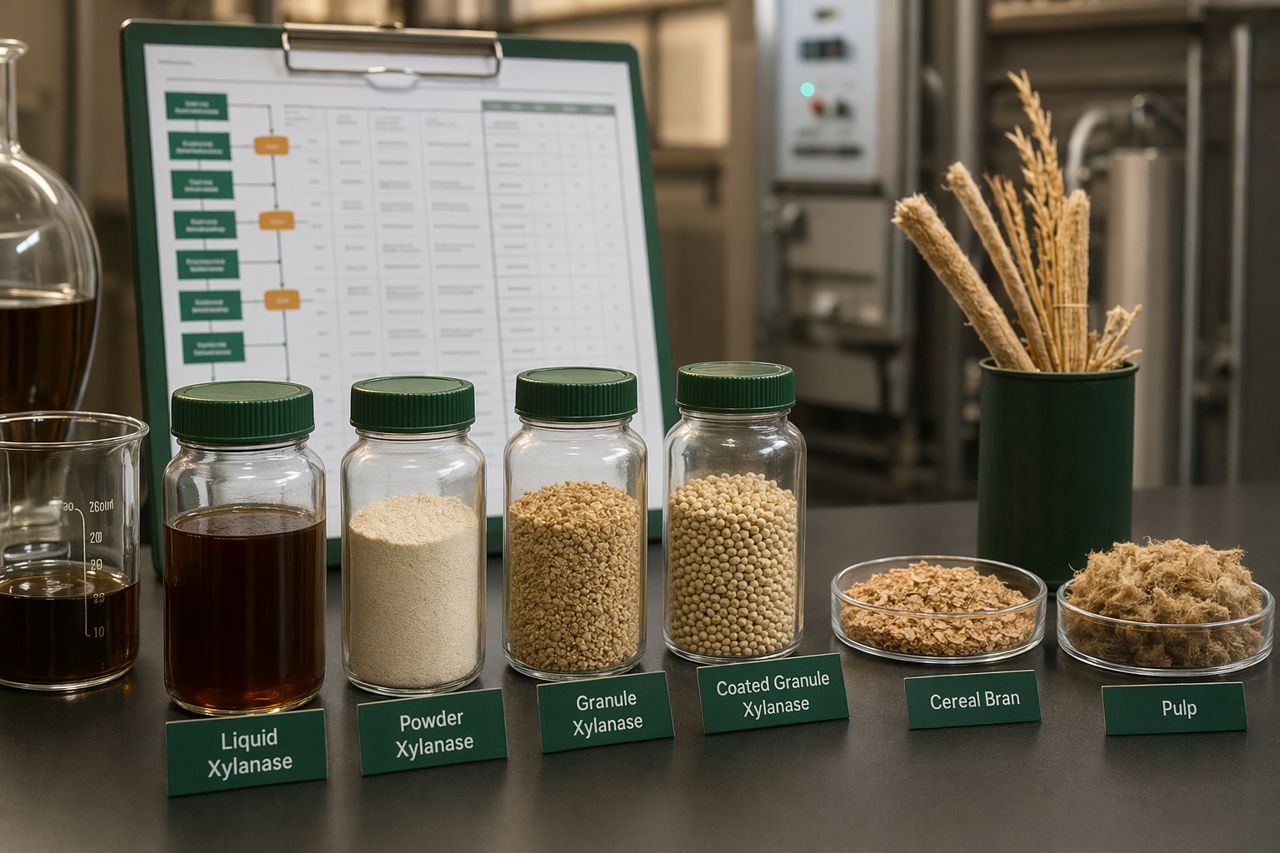
Liquid, powder, or granulated format
Stabilizers, carriers, and coating systems
Presence or absence of companion hemicellulase activities
Intended application grade and regulatory positioning
For commercial selection, “fungal” and “bacterial” should be treated as screening language, not as the final decision rule.
Application-by-application selection logic
Baking and cereal processing
Fungal xylanase is frequently screened first because many grades are effective on cereal arabinoxylans and can improve dough handling, loaf volume, crumb softness, or machinability. The target is controlled fiber modification. Too much hydrolysis, poor side-activity control, or poor flour compatibility can create sticky dough or inconsistent handling.
Bacterial xylanase may still be relevant if the process includes unusual heat exposure, specialty flour systems, or formulations requiring a different performance window.
Animal feed
Both fungal and bacterial xylanases are used in feed systems. The decision often depends on the grain base, digestive pH profile, pelleting exposure, and whether the enzyme must be delivered as a powder, granule, coated granule, or liquid post-application product.
For pelleted feed, heat exposure and physical granule durability can be as important as enzyme source. Ask how the product is protected during conditioning and storage.
Pulp and paper
Xylanase may be used to modify hemicellulose in pulp processing, support bleaching strategies, or improve fiber handling. Bacterial xylanases are often evaluated where higher pH or harsher process conditions are involved. Fungal xylanases can also be useful depending on the pulp type and treatment window.
Low unwanted cellulase activity may be important when fiber strength must be preserved.
Biomass and bioprocessing
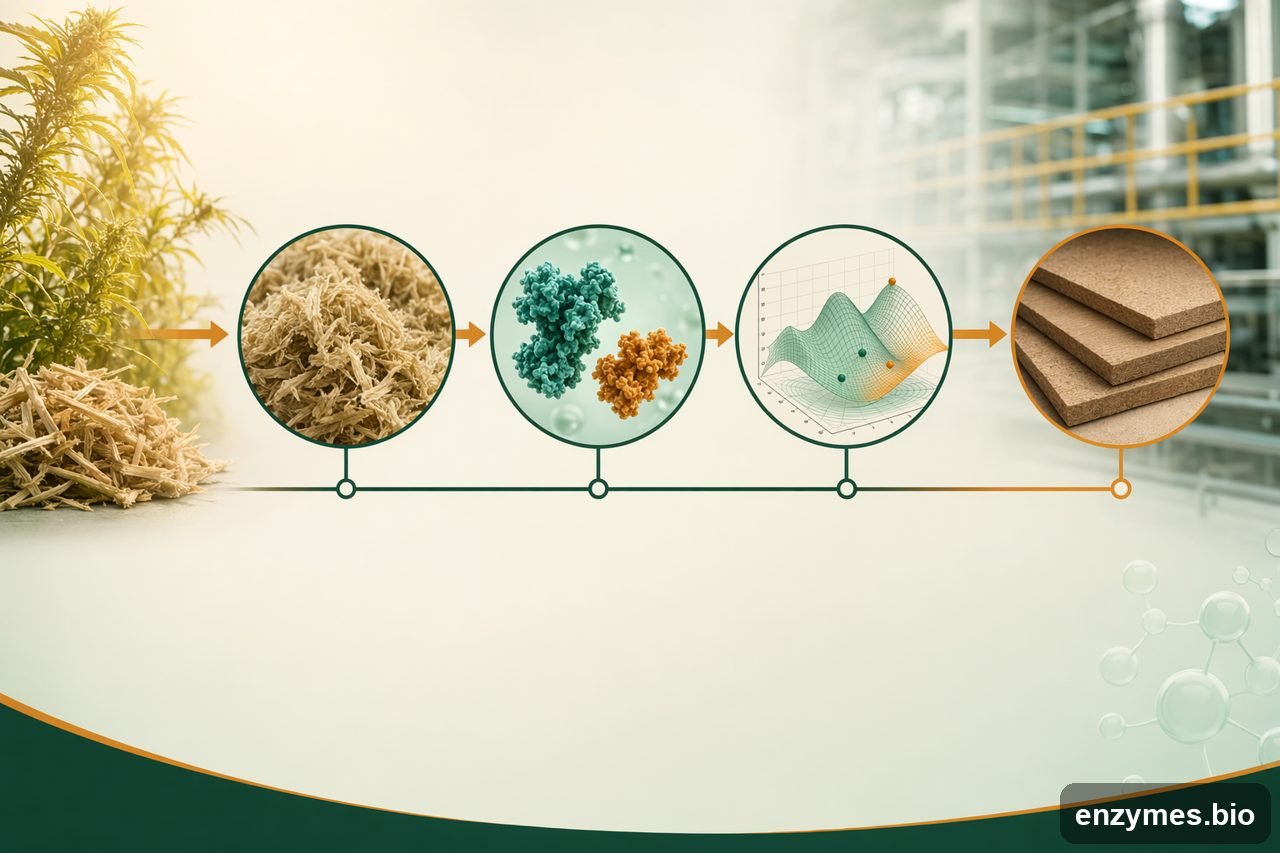
In lignocellulosic systems, xylanase is often part of a broader enzyme package. Bacterial enzymes may be considered for rugged pretreatment conditions, while fungal enzymes may be chosen for effective hemicellulose opening under milder hydrolysis conditions.
The right choice depends on pretreatment chemistry, solids loading, residence time, and the role of companion enzymes.
Brewing and distilling
Fungal xylanases are commonly considered for cereal mashes where arabinoxylan contributes to viscosity and filtration challenges. The goal is not maximum degradation; it is predictable process improvement without creating downstream instability.
How to compare candidates in a procurement screen
Before requesting samples or pricing, define the process problem in engineering terms.
Share these details with a supplier
Substrate: wheat bran, corn fiber, rye, pulp, biomass, mixed feed, or another matrix
Process pH and temperature exposure
Contact time before enzyme inactivation or downstream processing
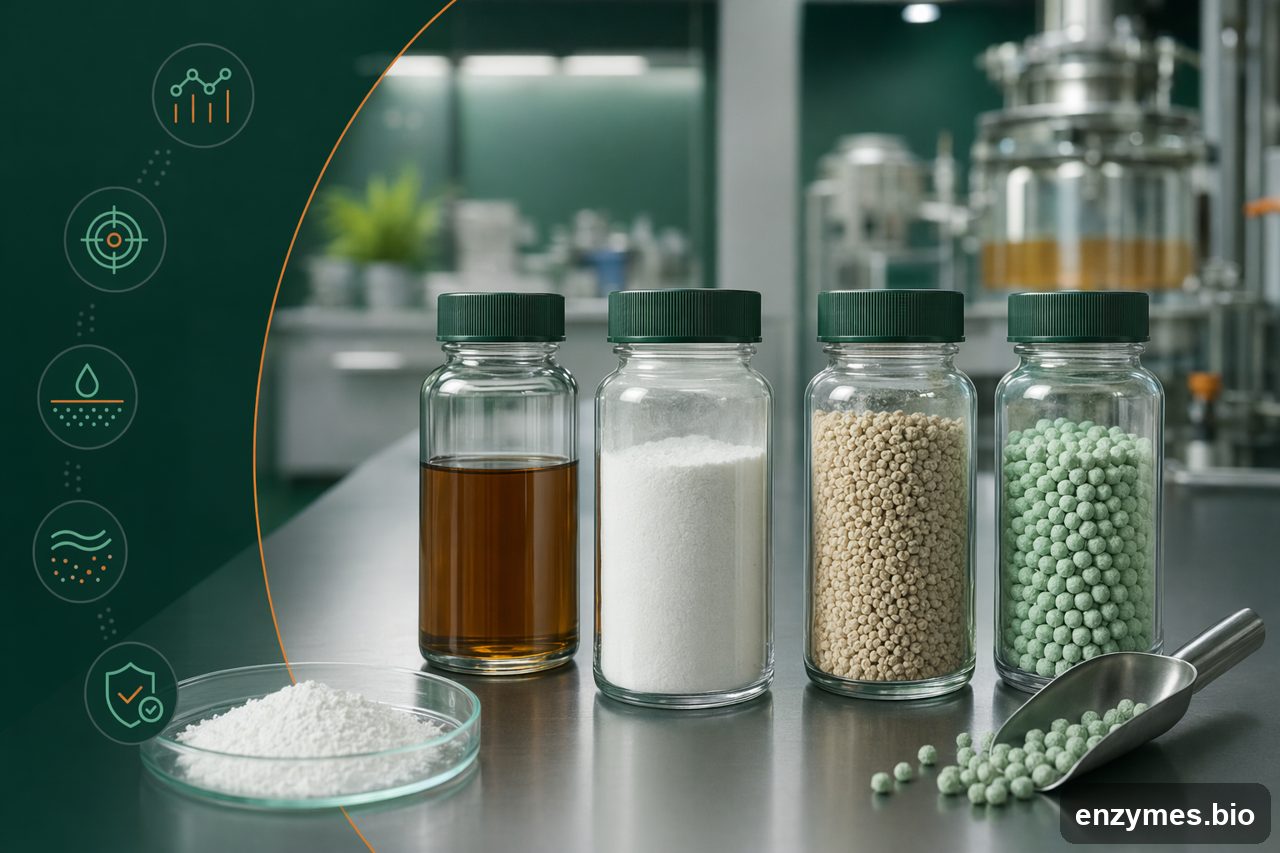
Format preference: liquid, powder, granule, or coated granule
Compatibility needs with acids, salts, oxidants, preservatives, minerals, or other enzymes
Regulatory market: food, feed, technical, or processing aid use
Packaging size, storage expectations, and shipping region
Ask these supplier questions
Is the product fungal-derived, bacterial-derived, or produced from an engineered production strain?
What process window is the grade designed for?
Is it intended for cereal, feed, pulp, biomass, or general technical use?
What side activities are expected or controlled?
What formats are available for heat-stressed or dust-sensitive handling?
Is documentation available for the target market and region?
What pilot quantity is practical before scale-up?
Common mistakes when choosing xylanase source
Mistake 1: Treating “fungal” as mild and “bacterial” as harsh
That shortcut is sometimes directionally useful, but not reliable. Formulation and enzyme structure can matter more than the source label.
Mistake 2: Screening in water only
Xylanase behavior can change dramatically in real slurry, dough, pulp, or feed matrices. Test in the actual substrate whenever possible.
Mistake 3: Ignoring side activities
A grade that works well in biomass may be unsuitable for bakery. A grade that supports pulp treatment may not fit feed. The surrounding enzyme profile matters.
Mistake 4: Assuming heat stability from source alone
Thermal exposure depends on temperature, moisture, residence time, matrix protection, and formulation. Use process-relevant trials.
Selection summary
Choose fungal xylanase when your application is plant- or cereal-rich, moderately conditioned, and benefits from controlled xylan modification under mild to acidic process conditions.
Choose bacterial xylanase when your process requires broader tolerance, stronger robustness screening, or compatibility with harsher pH, heat, or lignocellulosic conditions.
In either case, select by application evidence, not source label alone.
One-minute explainer video
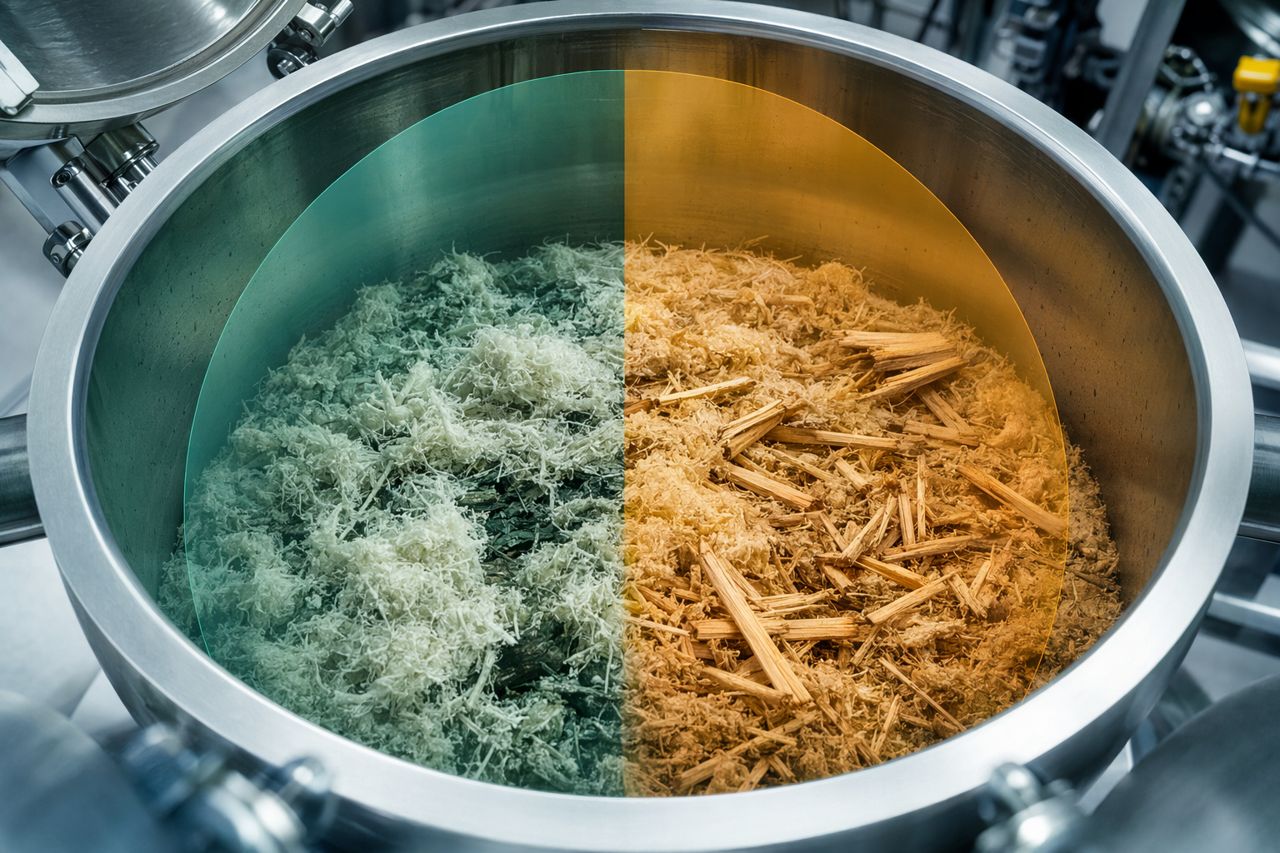
This page includes a short faceless explainer showing how fungal and bacterial xylanase differ in practical process selection: substrate contact, pH and heat exposure, fiber opening, side-activity risk, and final procurement fit.
Request pricing or a process-fit quote
If you are comparing fungal and bacterial xylanase for a formulation, pilot trial, or production process, send the operating conditions and target outcome. Hemivane can help match the request to a suitable xylanase profile and commercial format.