Bulk Xylanase Buying Guide for Industrial Users | Hemivane
A practical bulk xylanase buying guide for process engineers, R&D teams, and procurement teams evaluating format, process fit, documentation, trials, and supply reliability.
Bulk xylanase purchasing is not a catalog exercise. The right product depends on the fiber architecture in your raw material, the process window you run, the documentation your market requires, and the way your plant handles liquids, powders, heat, moisture, and variability.
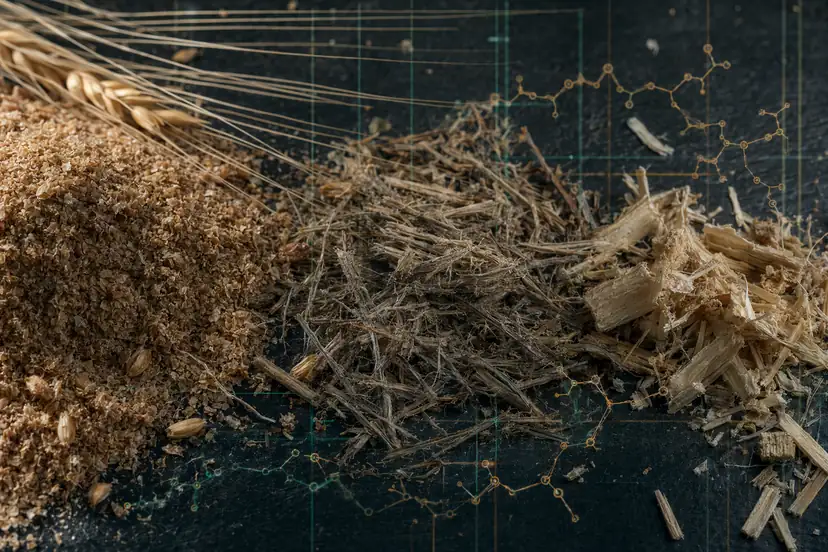
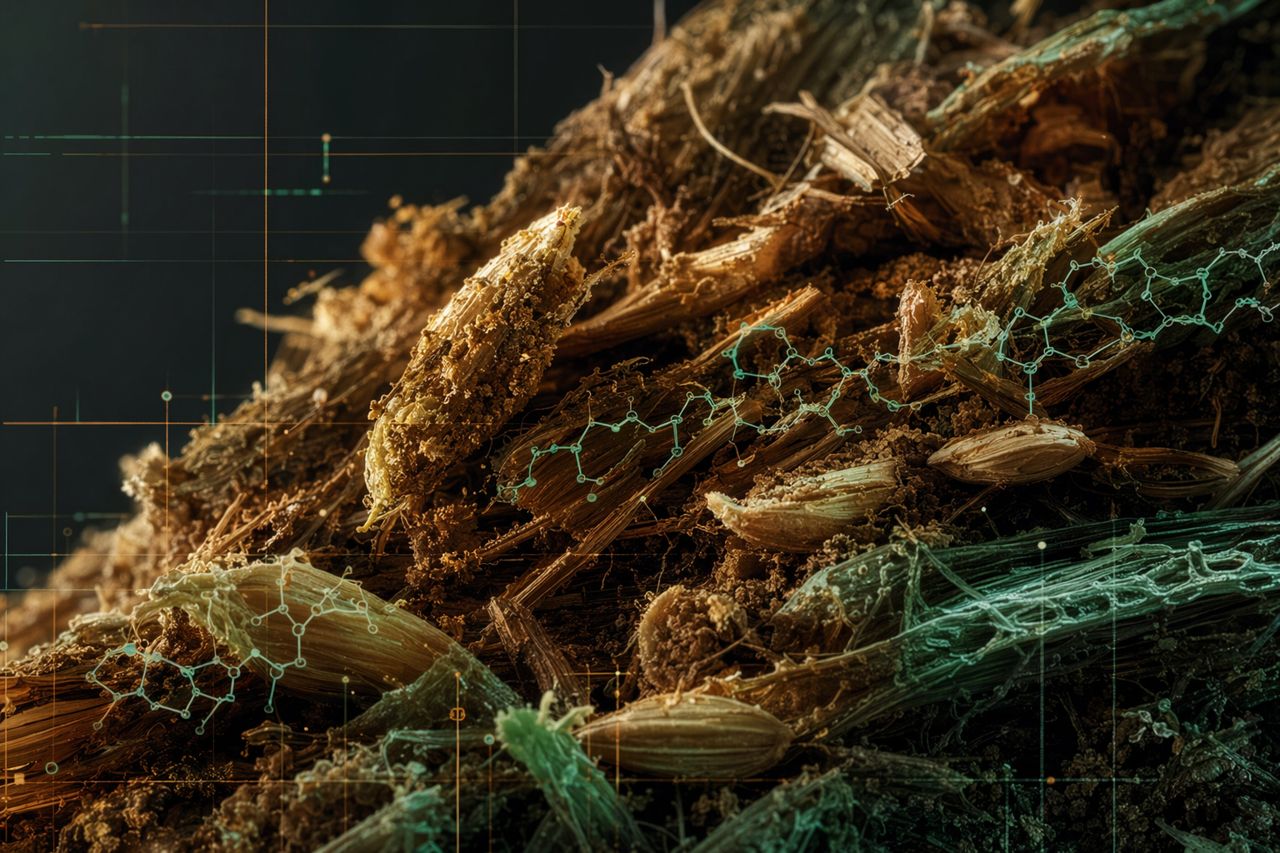
Xylanase (endo-1,4-β-xylanase) targets xylan-rich plant cell-wall structures. In practical terms, it helps open hemicellulose networks that can hold water, trap soluble material, increase viscosity, restrict extraction, or interfere with filtration and separation. For industrial users, the buying question is simple: which xylanase preparation gives measurable process value under your real operating conditions?
This guide is written for teams comparing bulk xylanase options for food, feed, grain processing, brewing, pulp and fiber treatment, biomass processing, and adjacent industrial applications.
What xylanase does in industrial processing
Xylanase acts on xylan backbones within hemicellulose. Depending on the substrate and process, this can support:
Lower slurry or mash viscosity
Improved release of soluble components
Better filtration, pressing, or drainage behavior
More consistent dough, mash, or fiber handling
Reduced binding effects from arabinoxylans and related fiber structures
Improved accessibility for other enzymes or process steps
More predictable downstream separation and drying
The value is usually not the enzyme itself. The value is the process outcome: faster throughput, cleaner handling, better yield, reduced variability, or fewer bottlenecks.
Start with the substrate, not the product sheet
Xylanase performance changes with the structure of the material being treated. Before asking for pricing, define the substrate clearly.
Key substrate questions
Is the process based on wheat, rye, barley, corn co-products, plant meals, bran fractions, wood pulp, agricultural residues, or mixed biomass?
Are the target fibers mostly soluble, insoluble, or a changing blend across seasons?
Is the material finely milled, flaked, pelleted, slurried, cooked, extruded, soaked, or chemically pretreated?
Does the process include starch, protein, pectin, cellulose, lignin, tannins, fats, salts, or other components that may affect enzyme access?
Is the main problem viscosity, trapped extract, filtration drag, water binding, feed conversion support, pulp drainage, or downstream consistency?
A xylanase that looks attractive on paper may underperform if the substrate is physically inaccessible or if the process window does not allow enough contact time.
Define the process window before comparing suppliers
For bulk buying, the most expensive mistake is selecting a preparation that does not match the plant. A useful supplier conversation should cover the actual operating environment.
Process conditions to document
Typical pH range during enzyme contact
Temperature range during addition and reaction
Time available before heat kill, drying, fermentation, pressing, or separation
Solids level and viscosity at the point of addition
Mixing intensity and whether the enzyme disperses evenly
Order of addition relative to acids, alkalis, oxidizers, preservatives, other enzymes, salts, or surfactants
Whether the process is batch, semi-continuous, or continuous
Cleaning, sanitation, and carryover constraints
You do not need a perfect model before screening. You do need enough process definition to avoid testing the wrong material in the wrong place.
Choose the right physical format
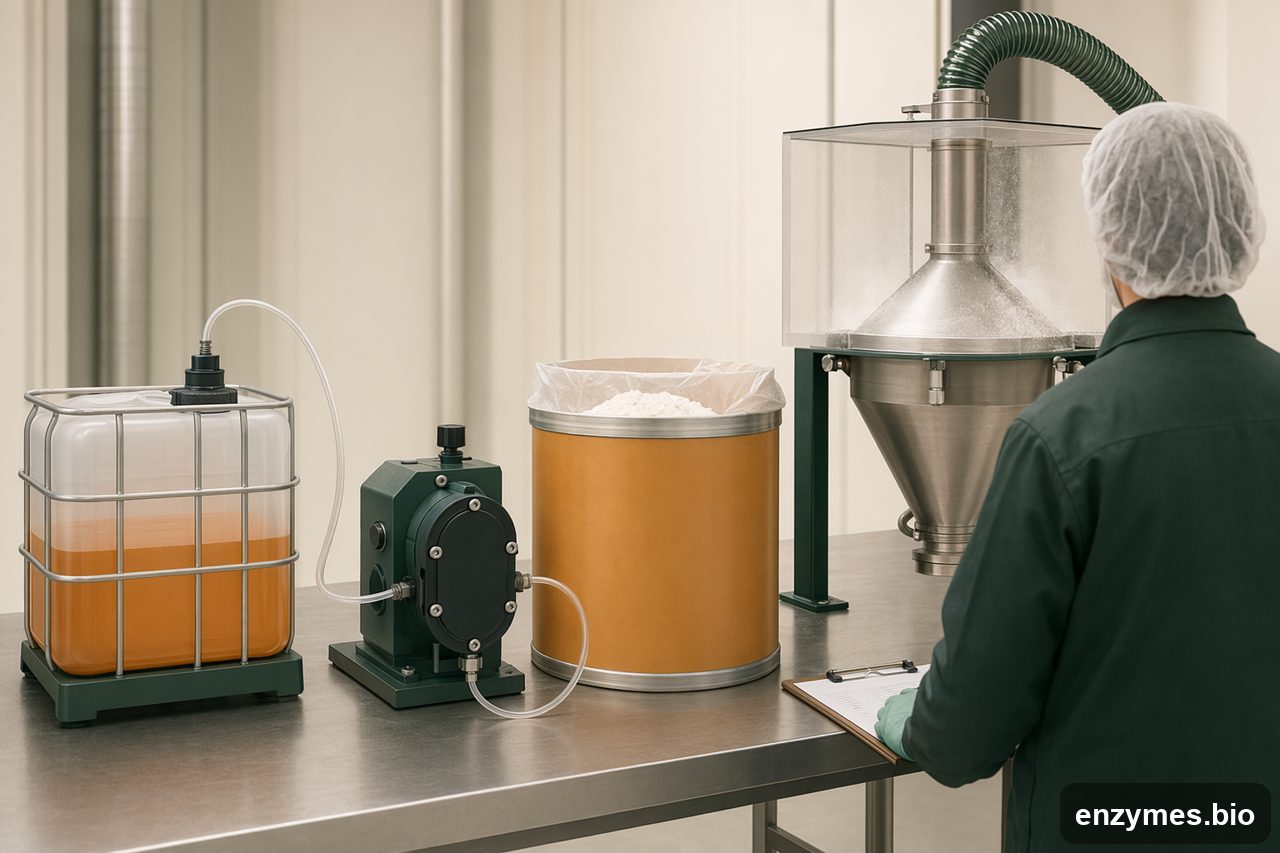
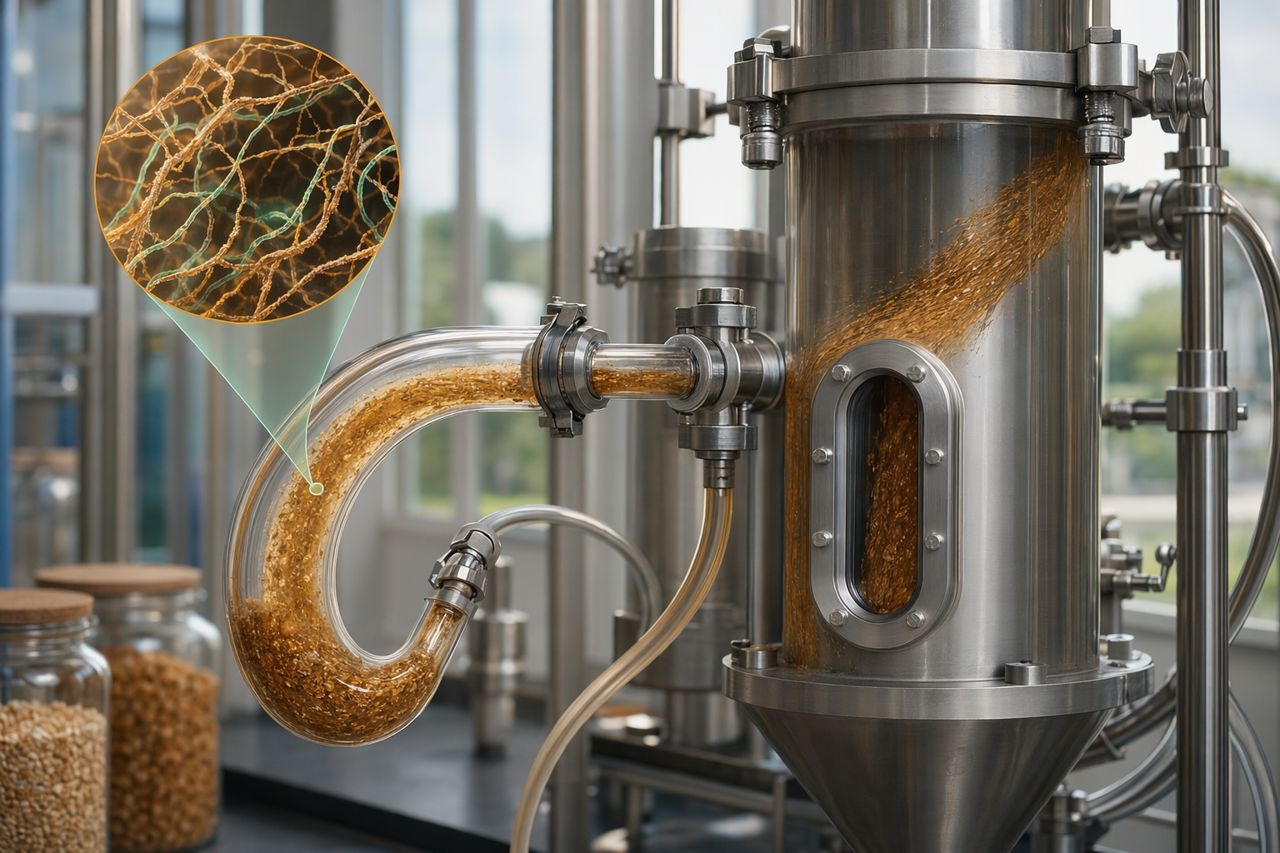
Bulk xylanase is typically evaluated as a liquid preparation, a powder, or a dry blended form. Format affects handling, dosing consistency, worker exposure controls, storage, and freight economics.
Liquid xylanase
Liquid preparations can suit plants with metered addition systems, tanks, pumps, and controlled dilution steps.
Potential advantages:
Easier automated dosing
Good dispersion in aqueous systems
Lower dust-management burden
Practical for continuous or high-frequency addition points
Points to check:
Freeze-thaw exposure during freight and storage
Compatibility with pump seals, tubing, and dilution water
Preservative system and odor profile
Sedimentation risk and mixing before use
Container size, returnability, and unloading method
Powder xylanase
Powder preparations can suit dry blending, premix manufacturing, feed applications, and plants that prefer ambient-stable inventory.
Potential advantages:
Convenient for dry premixes
Lower shipping water burden
Often easier to store in compact warehouse space
Useful where liquid infrastructure is limited
Points to check:
Dust control and respiratory protection requirements
Segregation risk in blends
Flow behavior in hoppers or feeders
Carrier compatibility with the finished product
Heat and moisture exposure during storage or pelleting
Granulated or coated formats
Some users need improved flowability, reduced dusting, or better survival through thermal or mechanical stress. In those cases, ask whether a granulated, coated, or application-specific carrier system is available.
Do not compare offers by headline strength alone
Procurement teams often receive xylanase offers that appear easy to rank. In practice, direct comparison is difficult unless the products are tested on the same substrate under the same process conditions.
A cheaper offer can cost more if it requires higher inclusion, causes handling losses, has unstable performance, or forces process compromises. A premium offer can be justified if it improves throughput, reduces rework, simplifies dosing, or shortens residence time.
Better comparison criteria
Use a side-by-side plant or pilot trial that measures outcomes your operation already values:
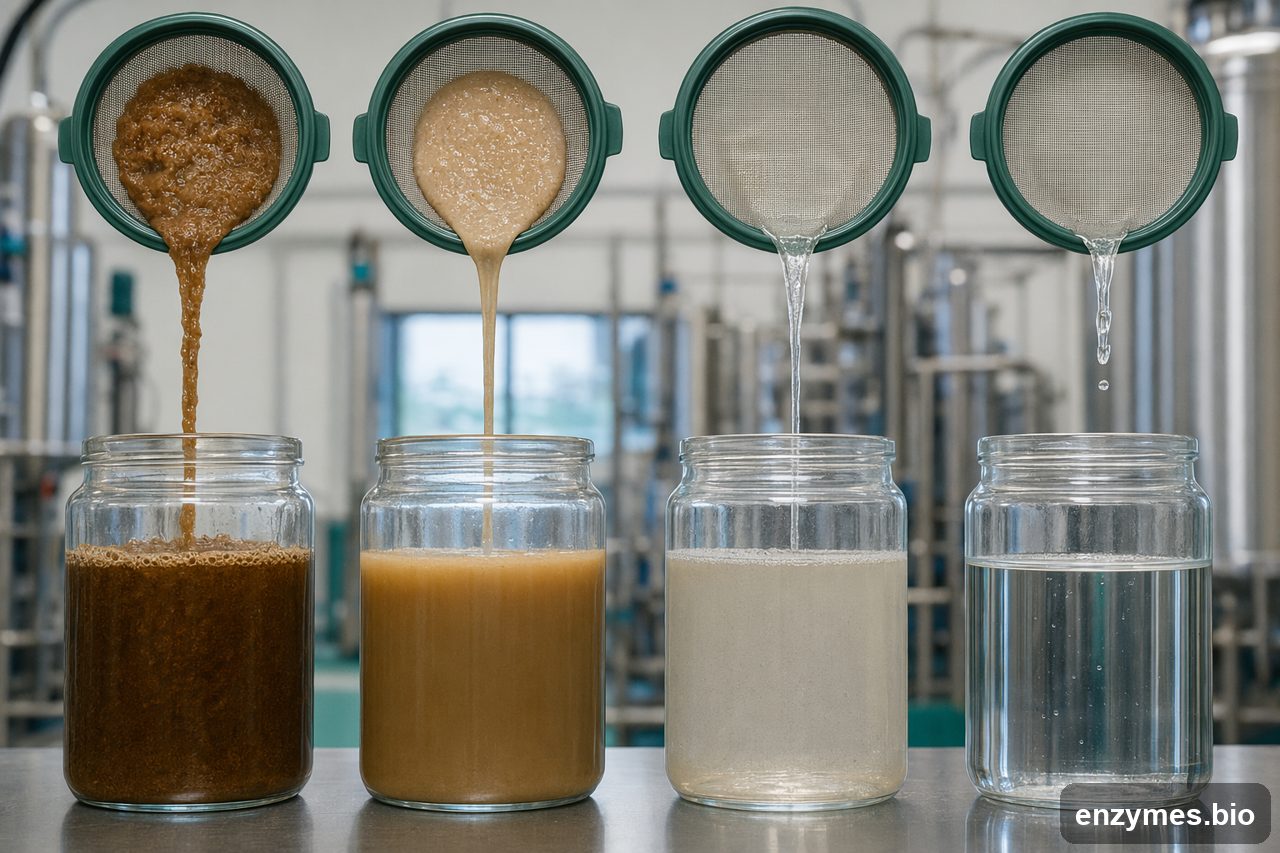
Viscosity reduction
Soluble extract release
Filtration or drainage rate
Press yield
Mash, slurry, or dough handling
Fiber modification profile
Finished product consistency
Downstream drying, separation, or clarification behavior
Batch-to-batch variation
Operator handling and dosing reliability
The best bulk xylanase is the one that performs economically in your process, not the one that wins a paper comparison.
Documentation matters before the purchase order
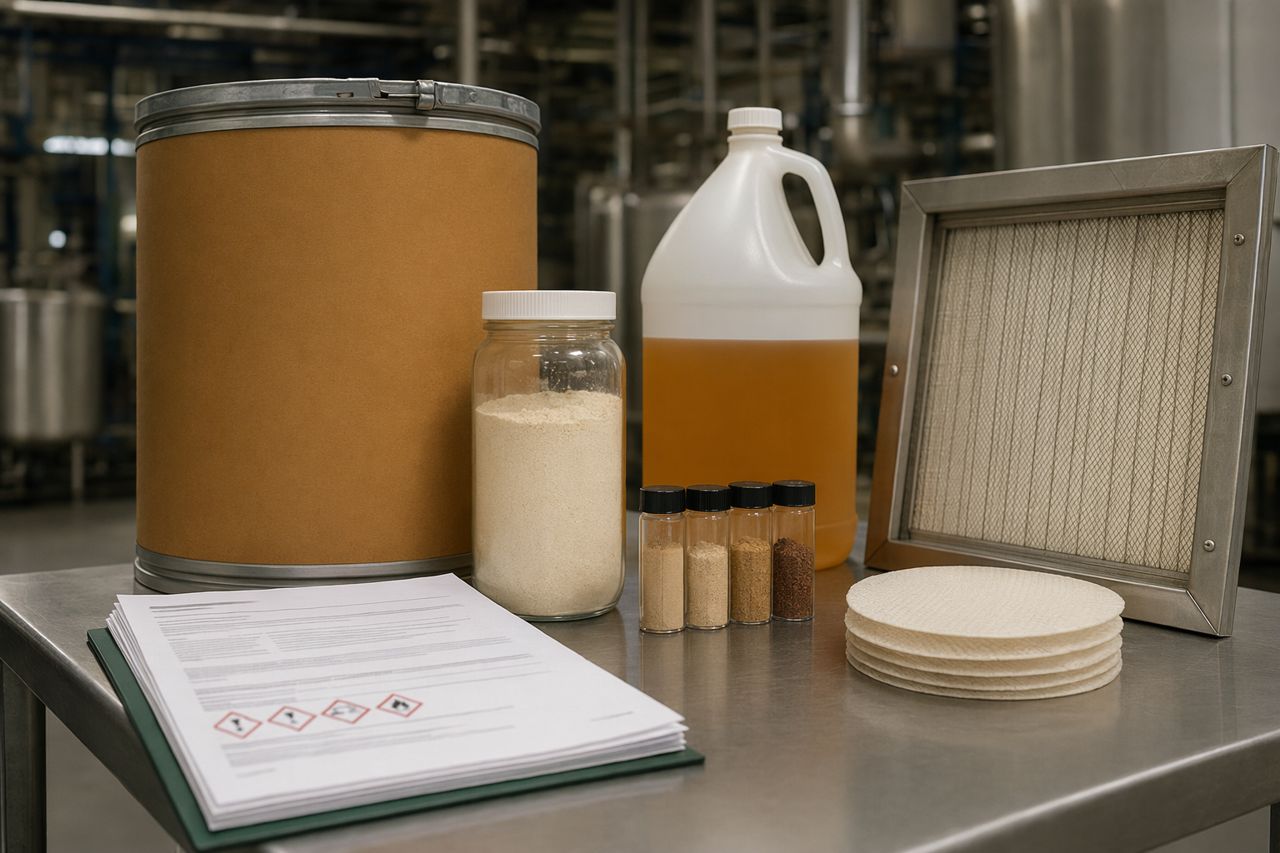
For industrial supply, documentation should be reviewed before scale-up. The required package depends on your application and region, but bulk buyers commonly request:
Technical data sheet
Safety data sheet
Lot-specific certificate of analysis or quality summary
Allergen statement, where relevant
GMO or non-GMO position, where relevant
Food, feed, or industrial suitability statement, where relevant
Country-of-origin or manufacturing-origin information, where required
Shelf-life and storage guidance
Packaging specification
Change notification expectations
Traceability and recall procedure overview
If your finished product enters regulated food or feed channels, confirm suitability early. Do not wait until the plant trial is successful to discover a documentation gap.
Application-specific buying notes
Grain, flour, and bakery systems
In wheat and rye systems, xylanase can influence arabinoxylan behavior, dough handling, water management, and processing consistency. Buyers should evaluate the balance between improved handling and over-treatment. The right preparation depends on flour type, water absorption, mixing energy, fermentation time, and finished product target.
Feed and plant meal processing
In feed and meal applications, xylanase is often used to address fiber-related anti-nutritional effects and improve access to nutrients. Format, blend uniformity, thermal exposure, and label requirements are central purchasing questions. Buyers should evaluate stability through their actual manufacturing route rather than relying only on supplier statements.
Brewing, distilling, and grain extraction
In mash systems, xylanase may help reduce viscosity and improve liquid-solid separation. Screening should focus on the grain bill, mash pH, temperature profile, contact time, and compatibility with other enzyme steps. The strongest value is often seen where high-fiber raw materials create filtration or lautering constraints.
Pulp, fiber, and biomass processing
In pulp and fiber treatment, xylanase can support selective hemicellulose modification. Buyers should look closely at pH, temperature, retention time, chemical carryover, and drainage or refining impacts. In biomass work, the xylanase role is often part of a broader enzyme or pretreatment strategy.
Bulk supply risk checklist
A technically suitable enzyme still needs to be a reliable supply item. Before committing to recurring purchase, qualify the supplier and supply chain.
Commercial and operational questions
What are the standard pack sizes and minimum order quantities?
What lead time applies to trial, first bulk order, and repeat orders?
Is the product made to stock or made to order?
Is there a secondary manufacturing or stocking plan?
What is the normal shelf life under recommended storage?
Are temperature controls needed in transit?
Are partial shipments available for urgent demand?
How are deviations, complaints, and replacement lots handled?
Can the supplier support forecast-based inventory planning?
For critical processes, do not treat enzyme supply as a spot purchase. Treat it as a process input with defined quality, documentation, and continuity requirements.
A practical trial plan before bulk commitment
A good trial does not need to be complicated. It does need to be disciplined.
Suggested evaluation sequence
Define the target outcome. Pick the metric that matters: viscosity, filtration, yield, extract, handling, drainage, or stability.
Select realistic conditions. Use the actual substrate, pH, temperature, solids level, and process timing.
Test at more than one inclusion level. Build a response curve rather than a single pass-fail result.
Compare against the current process. Include an untreated control and, if relevant, the incumbent enzyme.
Watch for side effects. Check texture, foam, odor, color, downstream separation, and finished product constraints.
Confirm handling. Test storage, dilution, metering, blending, and operator workflow.
Review documentation before scale-up. Make sure the product can legally and commercially support the intended route.
Translate results into a purchasing specification. Lock the format, packaging, storage, quality documents, lead time, and change-control expectations.
Cost-in-use is the number that matters
Bulk xylanase pricing should be evaluated as cost-in-use, not only price per container. Build the commercial case around the full operating impact.
Include:
Inclusion level needed to hit the process target
Yield or throughput improvement
Reduction in rework, blockage, or slow filtration
Labor and handling costs
Freight and storage cost
Waste, loss, or expired inventory risk
Packaging disposal or return logistics
Supply continuity and emergency-order exposure
The lowest invoice price is not always the lowest process cost. The best result is a xylanase specification that is technically stable, operationally easy, and commercially defendable.
Red flags when buying xylanase in bulk
Be cautious if a supplier cannot clearly address:
The recommended use case for the product
Physical format and carrier information
Storage and handling requirements
Lot traceability
Documentation needed for your market
Expected lead time for repeat orders
Change notification process
Technical support during trials
Fit with your pH, temperature, and process timing
A vague offer may be acceptable for a one-time sample. It is not a strong foundation for bulk industrial supply.
RFQ checklist: what to send when requesting pricing
To get a useful quote, include the following information where possible:
Application and substrate
Current process challenge
Target outcome or performance metric
pH and temperature range during enzyme contact
Contact time available
Liquid or powder preference
Required packaging size or handling method
Estimated monthly or annual volume
Destination country and delivery terms
Documentation requirements
Trial timeline and scale-up target
The more specific the request, the faster the supplier can recommend a realistic format, pack size, and commercial path.
Request a bulk xylanase quote
Use the form below to contact Hemivane about xylanase options for your process. Share what you know; the technical team can help fill in the gaps before trial planning.
Frequently asked questions
Is one xylanase suitable for every substrate?
No. Xylan structure, accessibility, side chains, process chemistry, and contact time all influence results. Screening on the actual substrate is the safest way to select a bulk product.
Should we choose liquid or powder xylanase?
Choose based on your process infrastructure. Liquid formats often suit metered aqueous addition. Powders often suit dry blending or premix routes. Handling, storage, dust control, and dosing accuracy should all be considered.
Can xylanase be used with other enzymes?
Often, yes. Xylanase is commonly evaluated alongside other process enzymes, but compatibility depends on pH, temperature, timing, and formulation. Test the combination under real conditions.
What information is needed for pricing?
Application, substrate, format preference, destination, approximate volume, and documentation needs are the minimum. Process conditions help narrow the recommendation and reduce trial cycles.
How should a plant qualify a new xylanase supplier?
Run a controlled trial, verify documentation, confirm lot traceability, review storage and lead time, and define the specification before placing recurring bulk orders.