Technical xylanase for swine diets using wheat, barley, rye, bran, and cereal by-products. Support fiber management, nutrient release, viscosity control, and mill-ready feed enzyme selection.
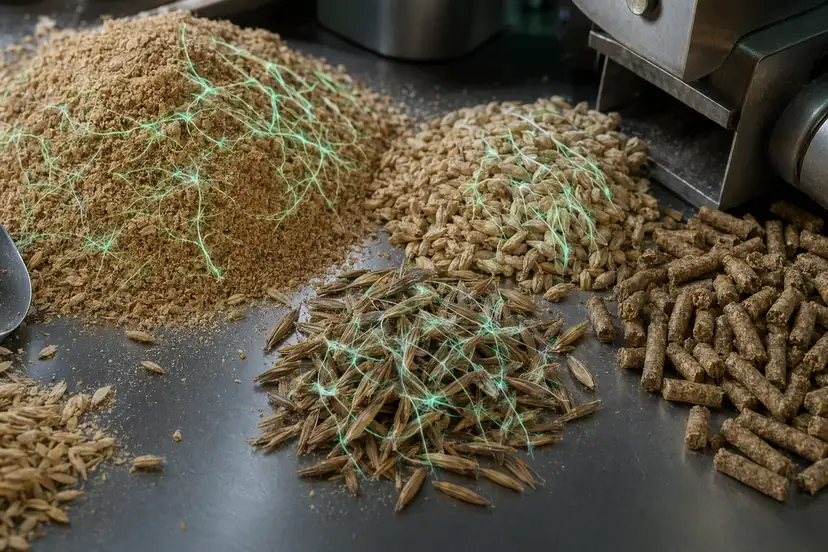
Swine diets built on wheat, barley, rye, triticale, corn co-products, bran fractions, and variable cereal streams often carry xylan-rich non-starch polysaccharides. These fractions can hold water, increase digesta viscosity, and limit access to nutrients trapped inside plant cell-wall structures.
Hemivane supplies Xylanase (endo-1,4-β-xylanase) for feed manufacturers, integrators, premix companies, and R&D teams that need a practical enzyme tool for cereal fiber management in pig diets.
Where xylanase fits in pig nutrition
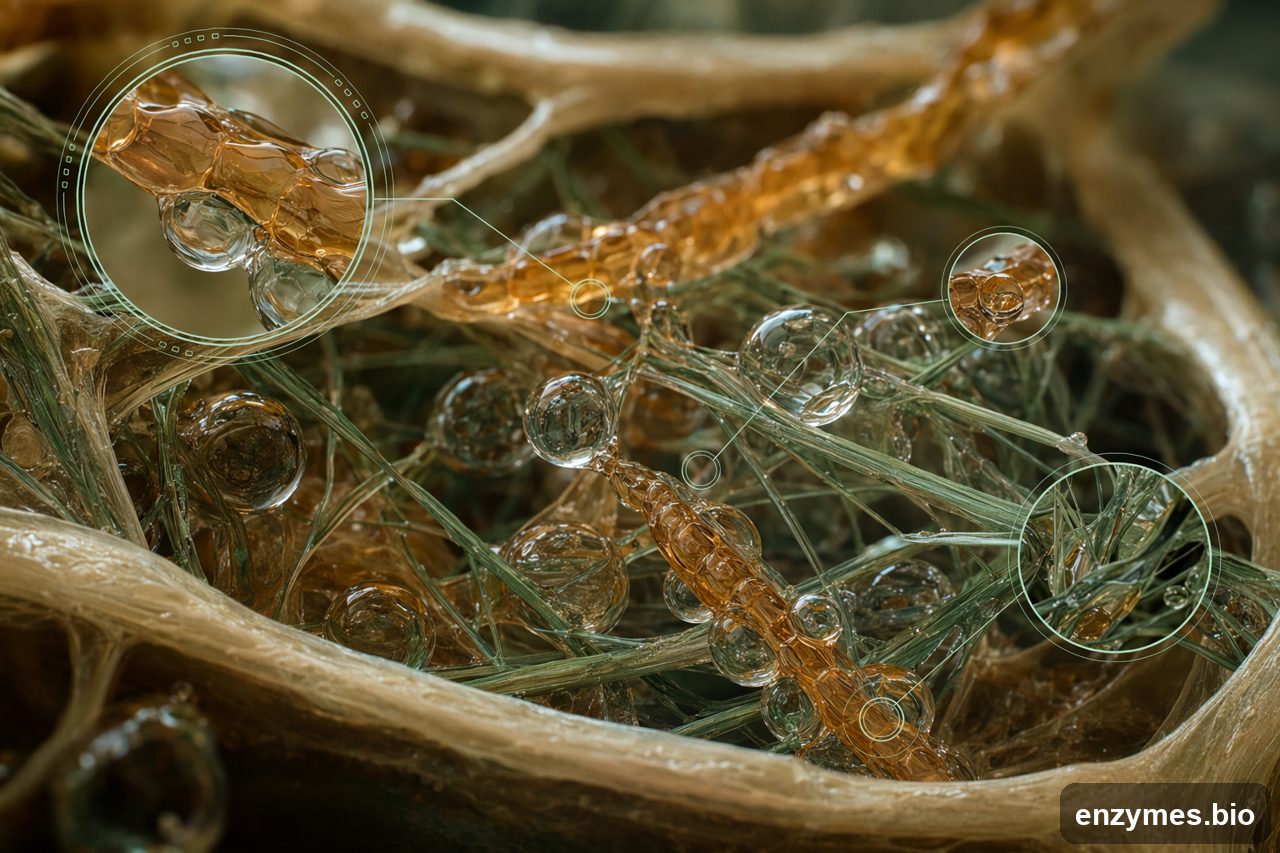
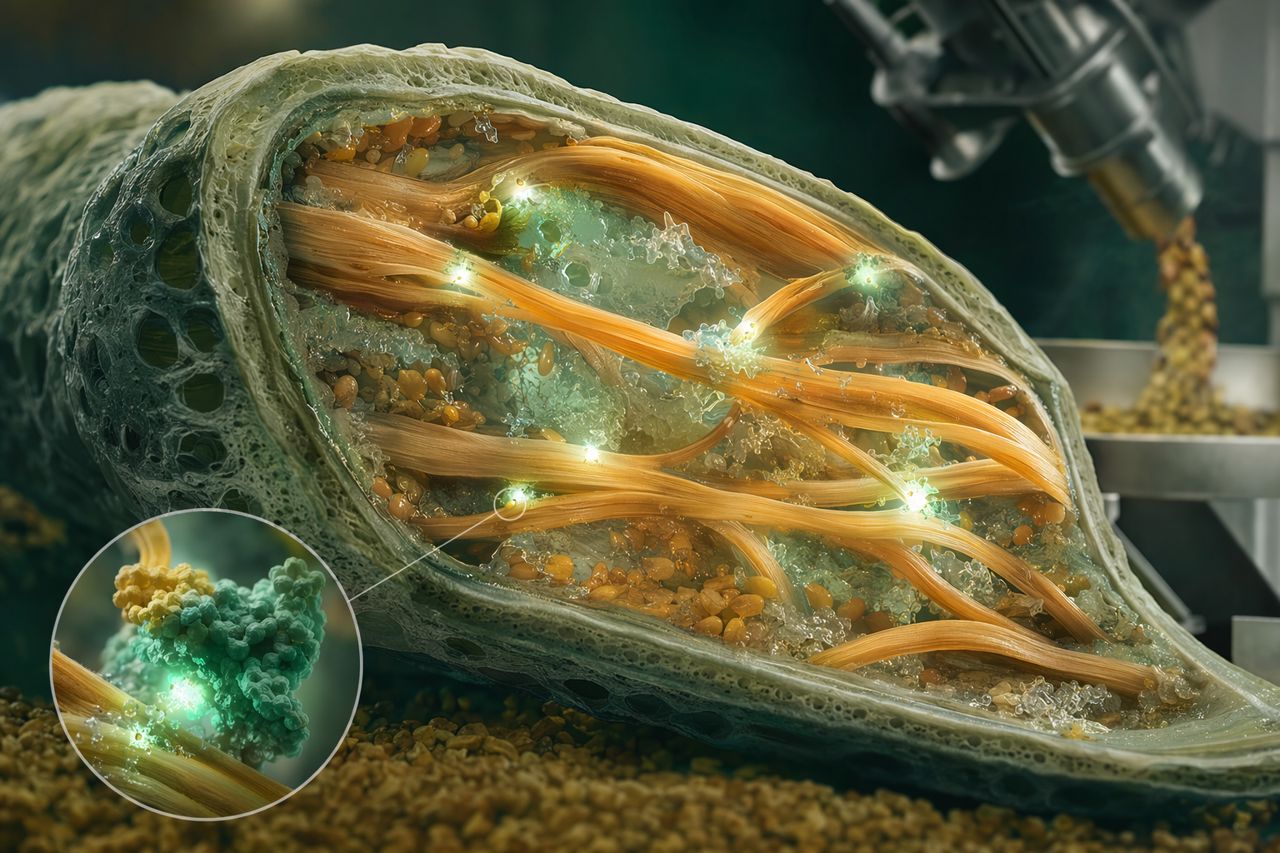
Xylanase targets the xylan backbone within arabinoxylan-rich cereal fiber. In feed formulation, the commercial goal is not to remove fiber from the diet. The goal is to change how the fibrous fraction behaves during digestion so nutrients are more accessible and diet variability is easier to manage.
Typical use cases include:
Wheat-, barley-, rye-, or triticale-forward swine diets
Diets containing wheat bran, middlings, distillers grains, or cereal screenings
Nursery, grower, and finisher programs where soluble fiber can pressure feed efficiency
Reformulation projects using more economical grain streams
Feed mills seeking an enzyme format that fits premix, mash, or pelleted feed workflows
What Hemivane xylanase is selected to do
Hemivane xylanase is positioned for process teams that need reliable performance across real feed matrices, not just ideal laboratory substrates.
It is selected to support:
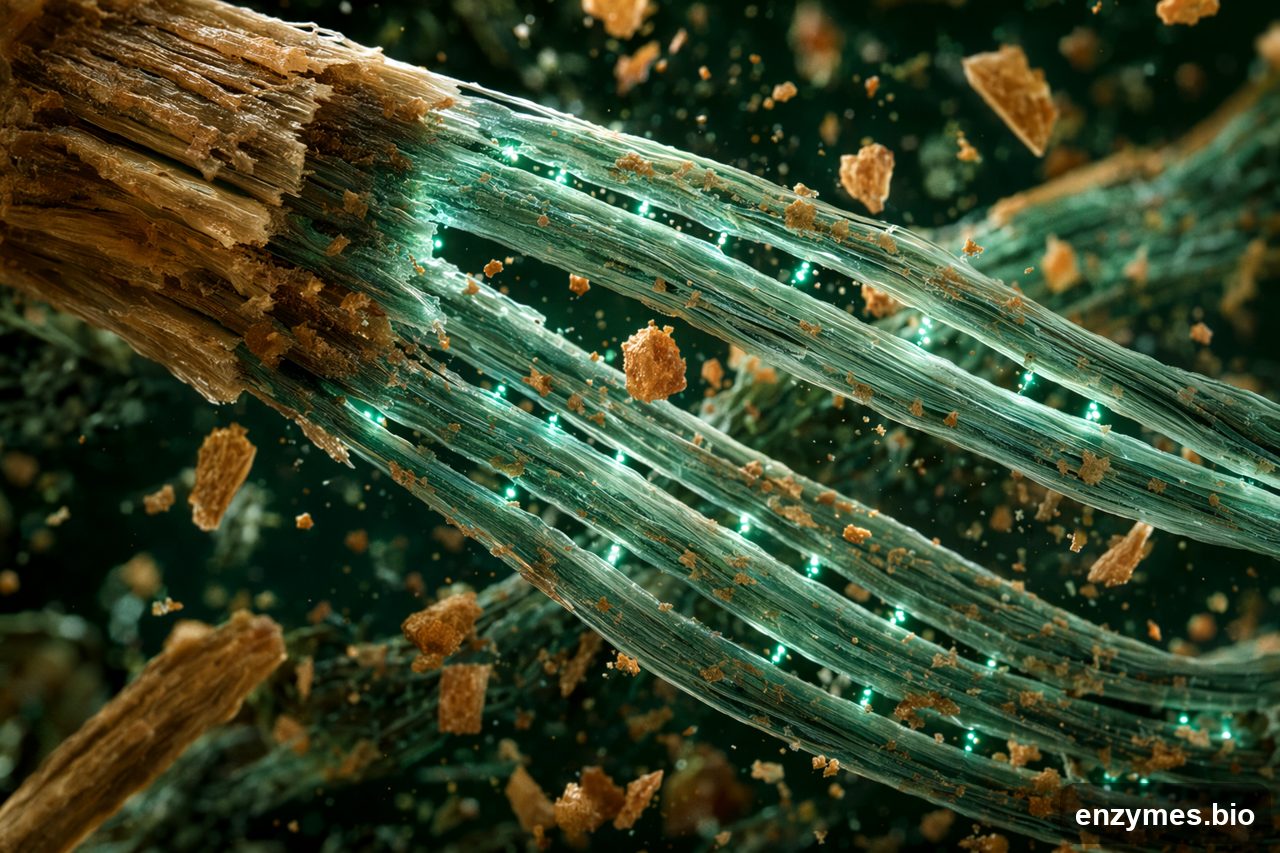
Arabinoxylan depolymerization: Opens internal xylan linkages in cereal cell-wall material.
Viscosity management: Helps reduce the water-holding effect of soluble xylan-rich fractions.
Nutrient access: Supports release of starch, protein, and energy trapped within fibrous structures.
Diet flexibility: Helps nutrition teams work with changing grain prices and by-product availability.
Manufacturing compatibility: Available for feed workflows where premix handling, storage, and heat exposure must be considered.
Practical formulation considerations
Xylanase value depends on the substrate. A corn-soy diet with limited cereal fiber does not create the same enzyme opportunity as a wheat-barley-rye program or a formula with meaningful bran inclusion.
Before selecting a product format, we typically review:
Main grain and by-product profile
Soluble and insoluble fiber pressure in the formulation
Target animal phase and production objective
Feed form: mash, crumble, pellet, or liquid application route
Conditioning and pelleting profile
Premix sequence and carrier system
Storage time, humidity exposure, and packaging expectations
Documentation requirements for QA, import, and supplier approval
Benefits for swine feed manufacturers
For B2B buyers, the decision is usually commercial as much as technical. Hemivane xylanase is designed to help teams manage the economic impact of cereal fiber without forcing a complete ration redesign.
Potential manufacturing and formulation benefits include:
Better use of wheat, barley, rye, and cereal by-product streams
More consistent handling of fiber variation between grain lots
Support for nutrient matrix strategies where validated by the nutrition team
A clearer enzyme rationale for purchasing, QA, and technical service teams
Feed mill integration without unnecessary complexity
Product formats and supply discussion
Hemivane can discuss dry and process-suitable xylanase formats based on your feed manufacturing route. Product selection is matched to application need, not sold as a one-size-fits-all recommendation.
Available discussion points include:
Premix compatibility
Carrier and dispersion behavior
Heat exposure tolerance requirements
Packaging size and handling preference
Private-label or distributor supply alignment where applicable
Required documents for feed-grade purchasing and internal approval
Specific inclusion guidance is provided after reviewing the diet matrix, processing conditions, and commercial objective. We do not publish trader-confidential activity declarations or assay methods on public application pages.
Buyer checklist: when to request a technical quote
Request pricing if your team is evaluating any of the following:
Increasing use of wheat, barley, rye, bran, or cereal co-products
Reducing formulation risk from variable fiber quality
Comparing enzyme options for nursery or grow-finish diets
Building a nutrient release strategy around xylan-rich substrates
Qualifying a new feed enzyme supplier for commercial production
Matching enzyme format to pelleting or premix conditions
Request a quote / get pricing
Send your diet and process details through the form below. A Hemivane technical contact will review the application and respond with product fit, documentation availability, and pricing next steps.