Process-grade Xylanase (endo-1,4-β-xylanase) for pulp bleaching support, fiber modification, drainage improvement, and chemical-reduction strategies in paper mill operations.
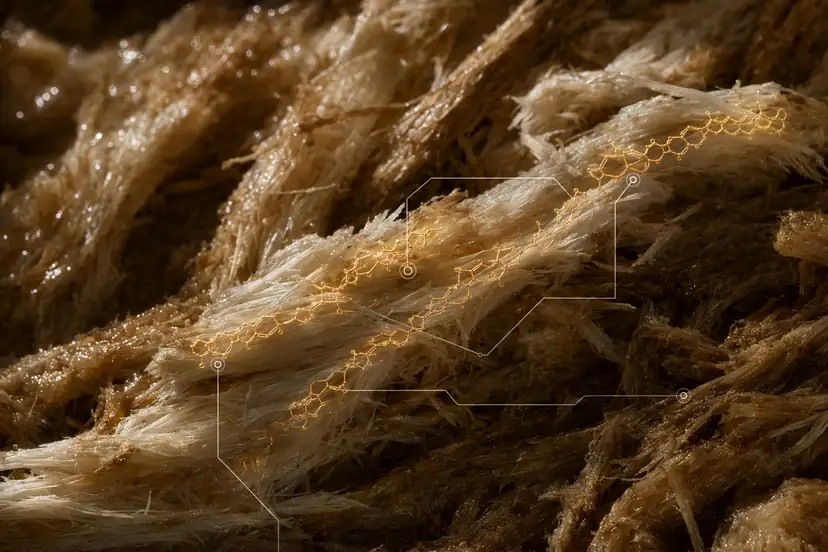
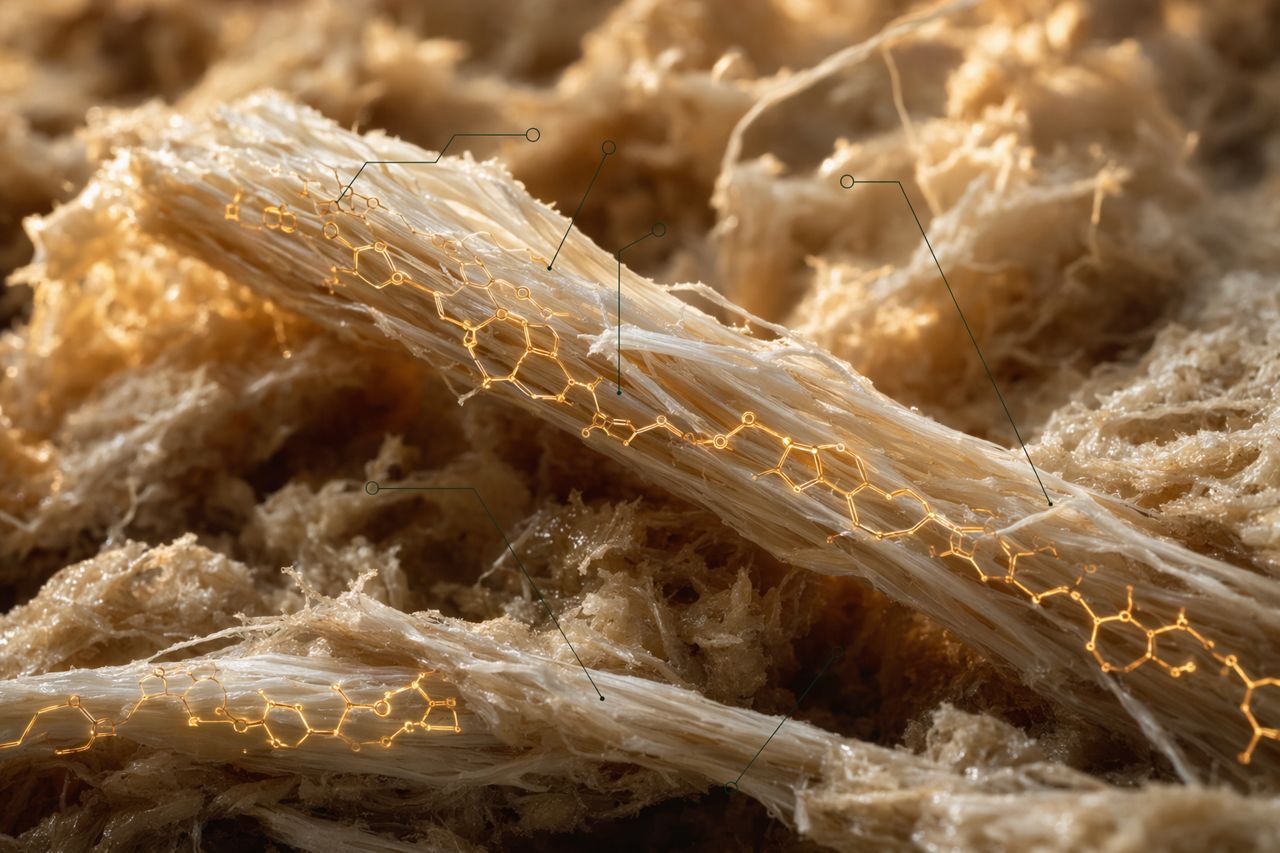
Xylan-rich hemicellulose sits through the pulp line like a fibrous lock: it can trap lignin fragments, slow liquor movement, increase bleach demand, and affect drainage behavior. Hemivane Xylanase (endo-1,4-β-xylanase) is specified for mills that want a cleaner way to open that network without treating cellulose as the target.
Used correctly, xylanase is not a magic additive. It is a process lever. It selectively modifies accessible xylan in kraft, mechanical, and recycled fiber systems so downstream chemistry and water movement can work with less resistance.
Where xylanase fits in the mill
Bleach plant support
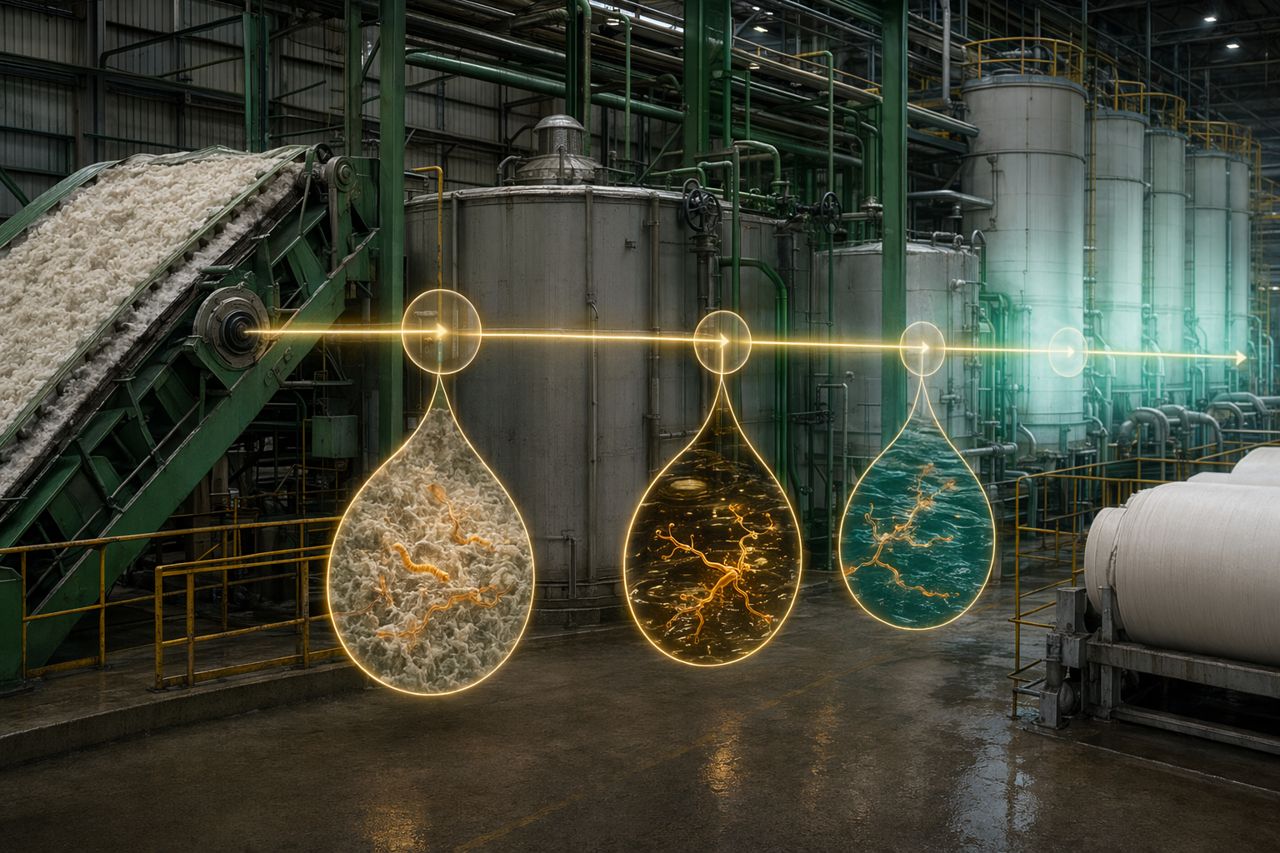
In kraft pulp bleaching, xylanase can help loosen xylan-bound or xylan-shielded lignin material before oxidative stages. The practical objective is not enzyme residue in the final sheet; it is improved accessibility before the chemical work begins.
Common operating goals include:
Supporting brightness development with lower chemical pressure
Improving response to chlorine dioxide, peroxide, oxygen, or extraction-stage chemistry
Reducing harshness in bleaching sequences where fiber strength is commercially important
Helping stabilize process changes during chemical optimization programs
Fiber modification before refining or sheet formation
Targeted hemicellulose modification can alter water handling and fiber-surface behavior. Depending on furnish and process window, xylanase may support:
Faster drainage on selected grades
Improved freeness response
Better liquor penetration into compact fiber mats
More consistent refining behavior
Reduced variability from agricultural residues, hardwood fractions, or recycled fiber blends
Chemical-reduction programs
Xylanase is often evaluated when mills are trying to reduce bleach chemical load, adjust caustic or peroxide demand, lower effluent stress, or create a more forgiving operating window. The best use cases are measured by total process value, not enzyme cost alone.
Why xylanase works on pulp
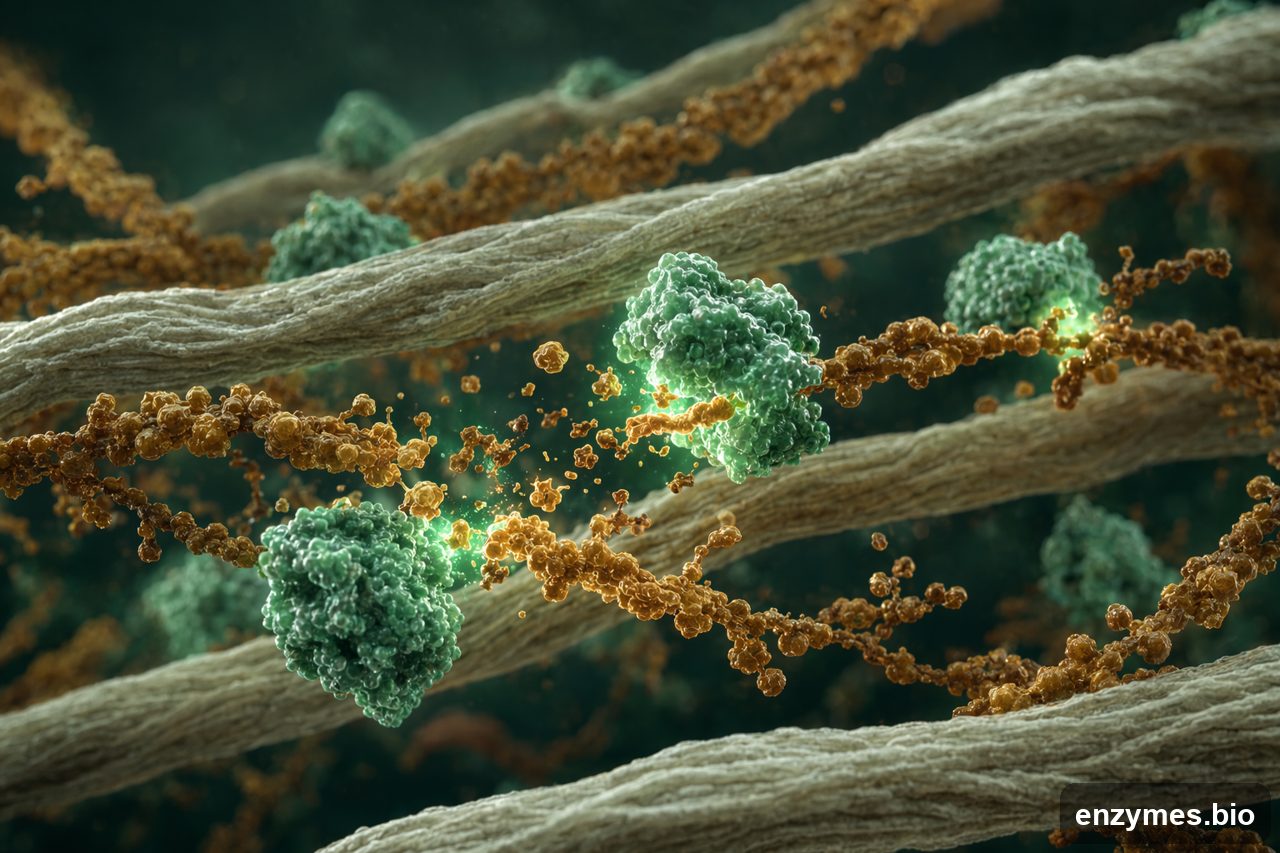
Xylanase hydrolyzes internal linkages in xylan, a major hemicellulose found in hardwoods, straw, bagasse, bamboo, wheat bran residues, and many recycled paper streams. In pulp, xylan can redeposit onto fiber surfaces or form a matrix that restricts chemical access. By opening selected regions of that matrix, xylanase can improve extractability and fluid movement while leaving the cellulose backbone outside the primary target.
That selectivity matters. For paper producers, fiber strength, runnability, and yield are not side issues; they are the business case.
Application areas
Hardwood kraft pulp
Hardwood pulps often carry xylan-rich surface chemistry. Xylanase treatment can improve bleachability and help reduce the severity of downstream chemical stages when the incoming pulp, retention time, and pH window are aligned.
Non-wood pulps
Agricultural residues and non-wood fibers can be highly hemicellulosic and variable. Xylanase can be used as a conditioning step to manage drainage, brightness development, and batch-to-batch differences in fiber composition.
Recycled fiber and packaging grades
In recycled systems, xylanase may assist drainage and furnish conditioning where fines, hemicellulose, and dissolved organic load interfere with stable water removal. It should be trialed against retention, strength, and wet-end chemistry rather than judged on drainage alone.
Tissue and specialty papers
For tissue and specialty grades, the decision is usually grade-specific. Xylanase can be explored where softness, absorbency, formation, drainage, or refining response need to be adjusted without blunt mechanical intensity.
Process-engineering considerations
A successful xylanase trial depends on matching enzyme behavior to the actual mill environment. Hemivane helps technical teams define the treatment point before the enzyme is selected.
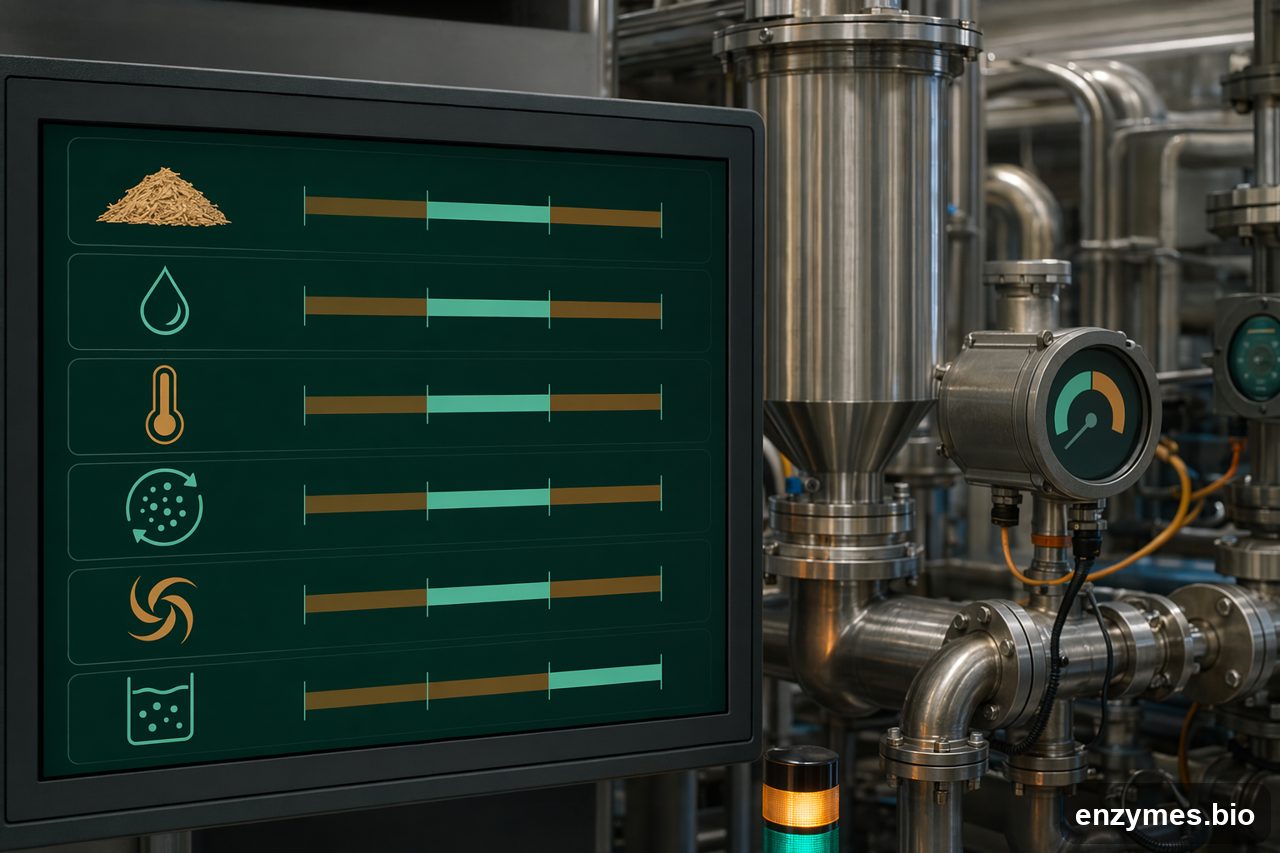
Key variables include:
Pulp type, wood species, and hemicellulose profile
Treatment location in the brownstock, oxygen, extraction, or pre-bleach area
Available retention time before high-oxidant exposure
Process pH and temperature window
Consistency and mixing quality
Carryover chemistry, residual oxidants, metal ions, and biocide exposure
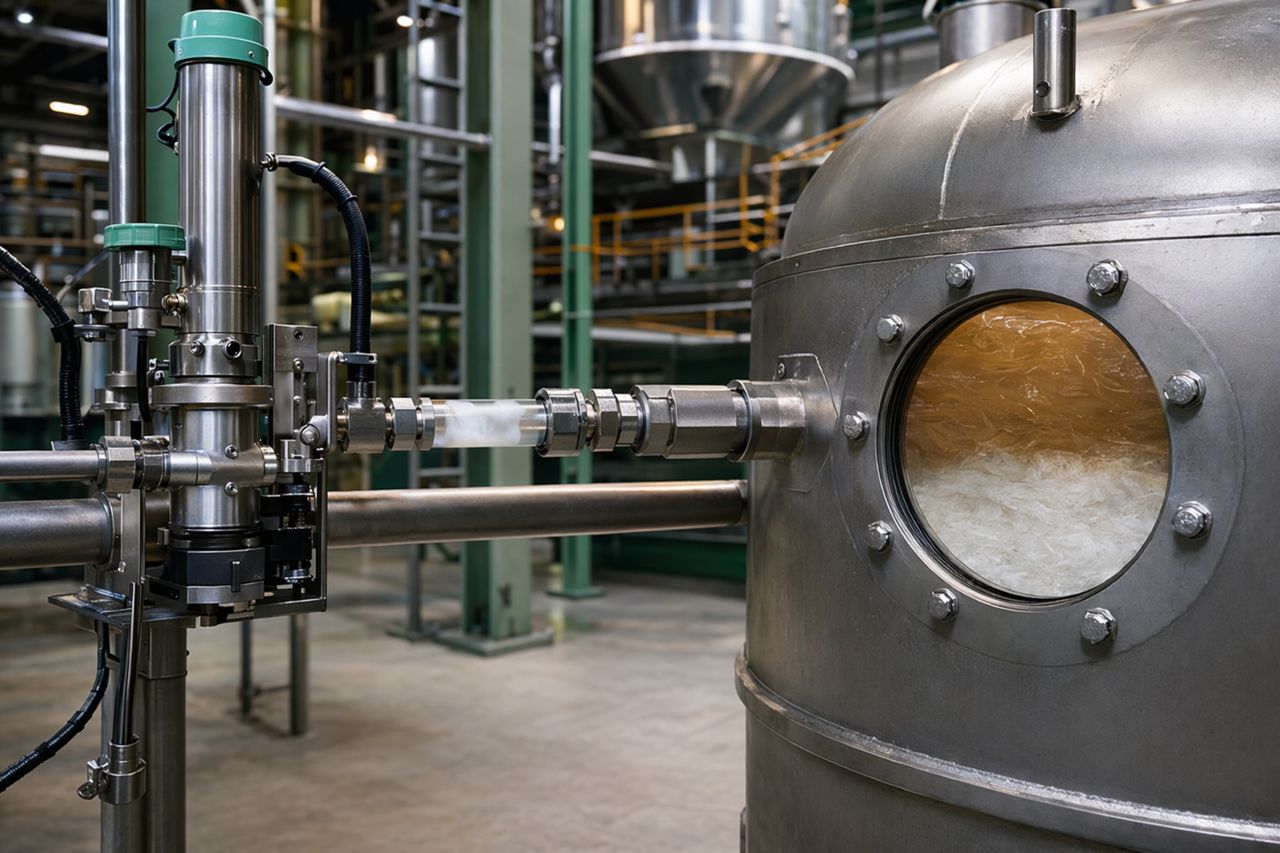
Xylanase should normally be introduced where it can contact pulp uniformly and act before aggressive oxidizing chemistry limits enzyme function. Good mixing and realistic residence time are more important than simply adding more enzyme.
What to measure in a mill trial
For a meaningful evaluation, track the full operating picture:
Brightness response at fixed chemical charge
Chemical reduction at fixed brightness target
Kappa-related response where relevant
Drainage, freeness, and machine speed indicators
Tensile, burst, tear, and grade-specific strength requirements
Extractives, dissolved organics, and filtrate behavior
Effluent load and bleach plant stability
Total cost per saleable tonne, not enzyme cost in isolation
Bench work is useful for screening. Pilot or machine trials confirm whether the enzyme has enough contact, mixing, and downstream leverage to create measurable value.
Product specification approach
Hemivane supplies xylanase for industrial pulp and paper development in process-compatible formats selected around handling, storage, and dosing infrastructure. Options may include liquid preparations for direct make-down and dry preparations where logistics, shelf handling, or transport efficiency are priorities.
We do not publish trading-sensitive assay methods or activity-unit comparisons. For procurement and technical qualification, we provide buyer-useful specifications, safety documentation, format guidance, compatibility notes, and trial recommendations under the appropriate commercial discussion.
When Hemivane Xylanase is a strong fit
Use Hemivane Xylanase when your team is working on:
Bleach chemical optimization
Hardwood or non-wood pulp bleachability
Drainage bottlenecks linked to hemicellulose-rich furnish
Fiber modification without targeting cellulose as the main substrate
Process trials for lower-impact bleaching strategies
Furnish variability in recycled, agricultural, or mixed-fiber operations
Request a quote or get pricing
Tell us the pulp type, treatment point, process window, and commercial target. We will help you select the right xylanase format and trial path for your mill.