
Hemivane — application
Xylanase for Poultry Feed and Wheat-Based Diets
Technical guide to xylanase for poultry feed, targeting cereal arabinoxylans to support viscosity control, nutrient access, and consistent feed performance.
Wheat, rye, barley, triticale, and many by-products bring valuable energy and protein into poultry diets. They also bring arabinoxylans: non-starch polysaccharides that can bind water, increase intestinal viscosity, and reduce access to nutrients locked inside cereal cell walls.
Hemivane supplies Xylanase (endo-1,4-β-xylanase) for feed manufacturers, premix blenders, integrators, and nutrition teams building digestibility-focused poultry programs around cereal-based raw materials.
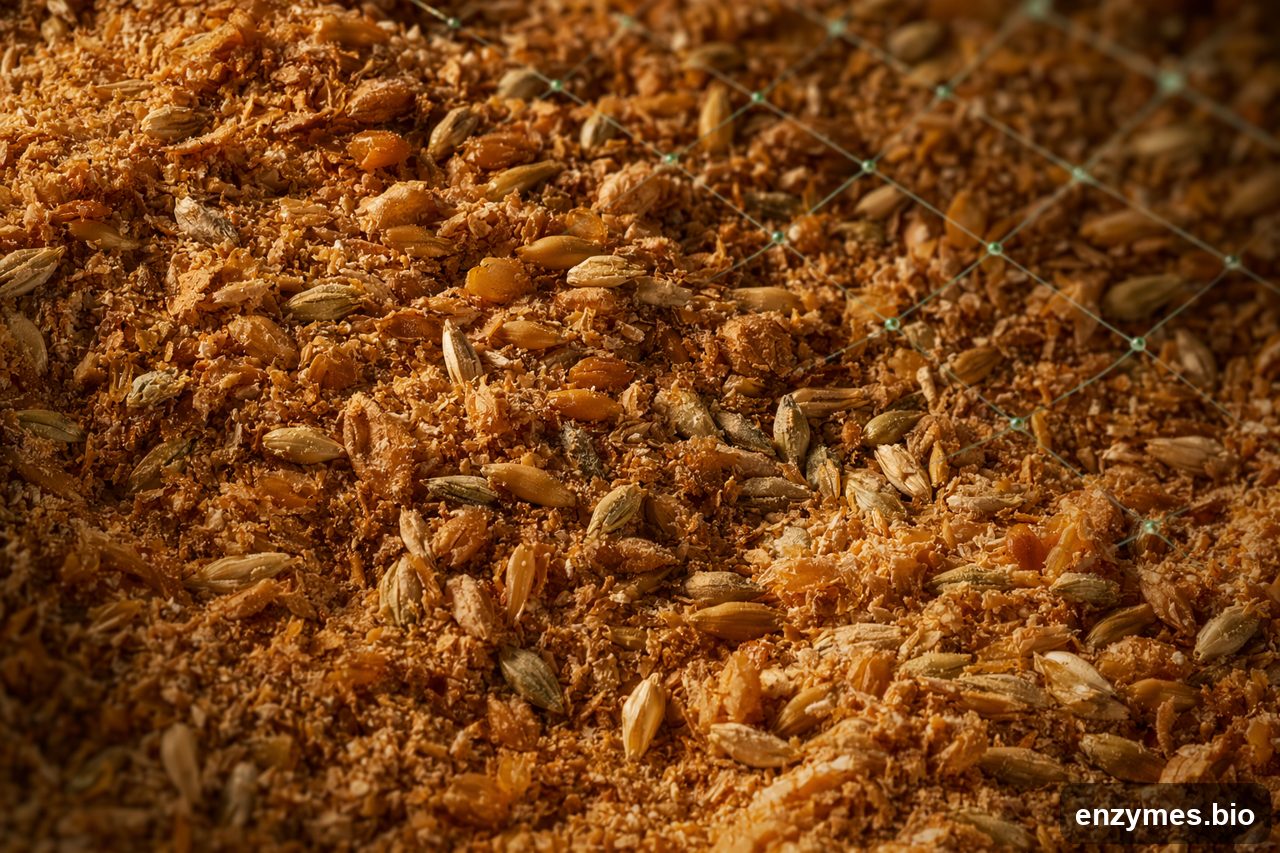
Our focus is practical: help customers use xylanase where it matters most — in diets where soluble and insoluble xylans influence feed conversion strategy, raw material flexibility, and flock consistency.
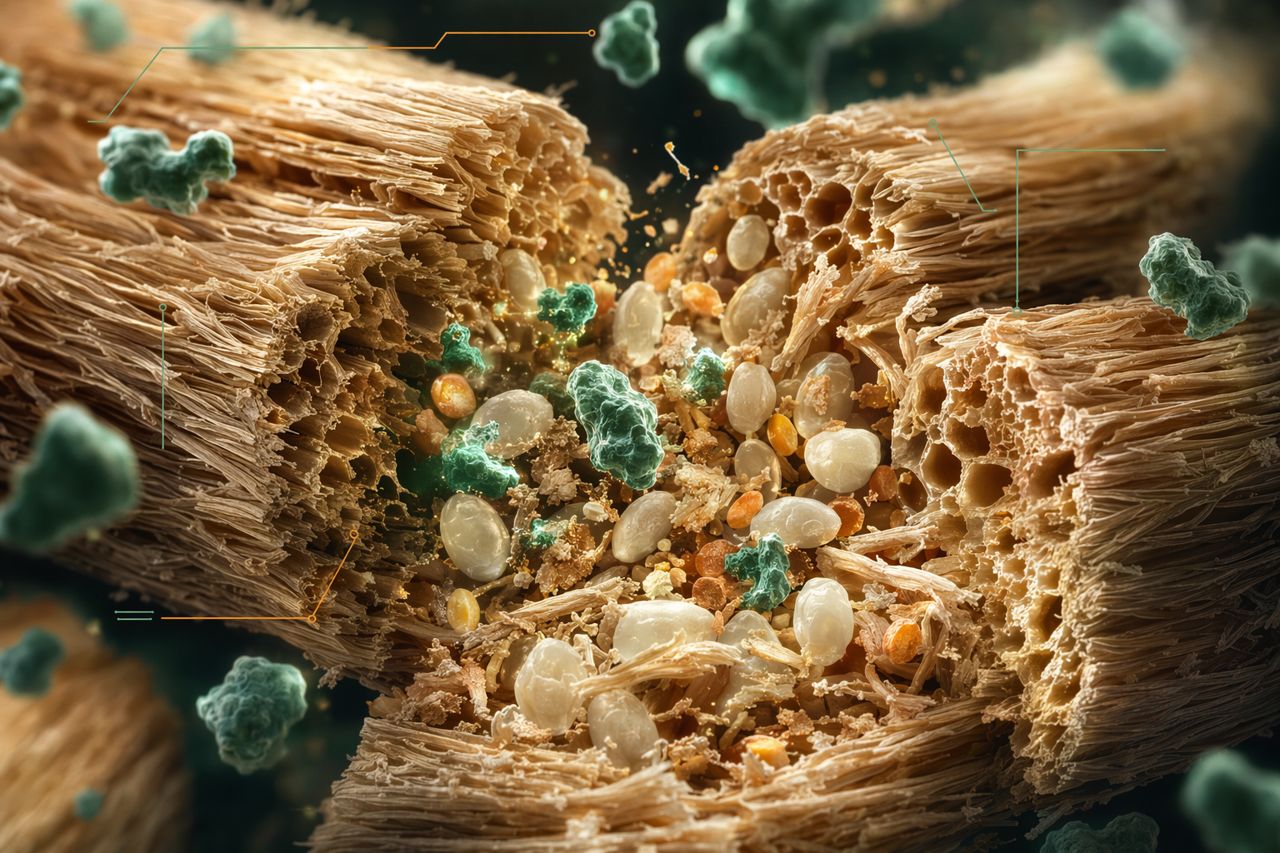
Xylanase acts on the β-1,4-xylan backbone of arabinoxylans found in cereal cell walls. In feed applications, this selective action helps open the fibrous matrix around starch, protein, and lipid fractions.
For poultry diets, the commercial objective is usually one or more of the following:
Hemivane xylanase is selected for cereal-heavy feed systems where arabinoxylan load is a meaningful part of the formulation risk.
| Feed material or diet type | Why xylanase is considered |
|---|---|
| Wheat-based broiler diets | Soluble arabinoxylans can increase viscosity and reduce nutrient availability |
| Rye and triticale diets | Higher NSP contribution often requires stronger viscosity-management strategy |
| Barley-containing diets | Mixed cereal NSP load can affect consistency and gut flow characteristics |
| Wheat middlings and bran fractions | Higher fiber inclusion increases cell-wall encapsulation effects |
| Variable-origin cereals | Xylanase helps nutrition teams manage quality swings in raw materials |
Used to support nutrient release, feed conversion strategy, and diet flexibility where wheat or other viscous cereals contribute significantly to the grain base.
Applied in layer feed programs where consistent energy availability and manure/litter characteristics are part of the formulation discussion.
Considered when ration consistency and cereal quality management are important to long-cycle performance planning.
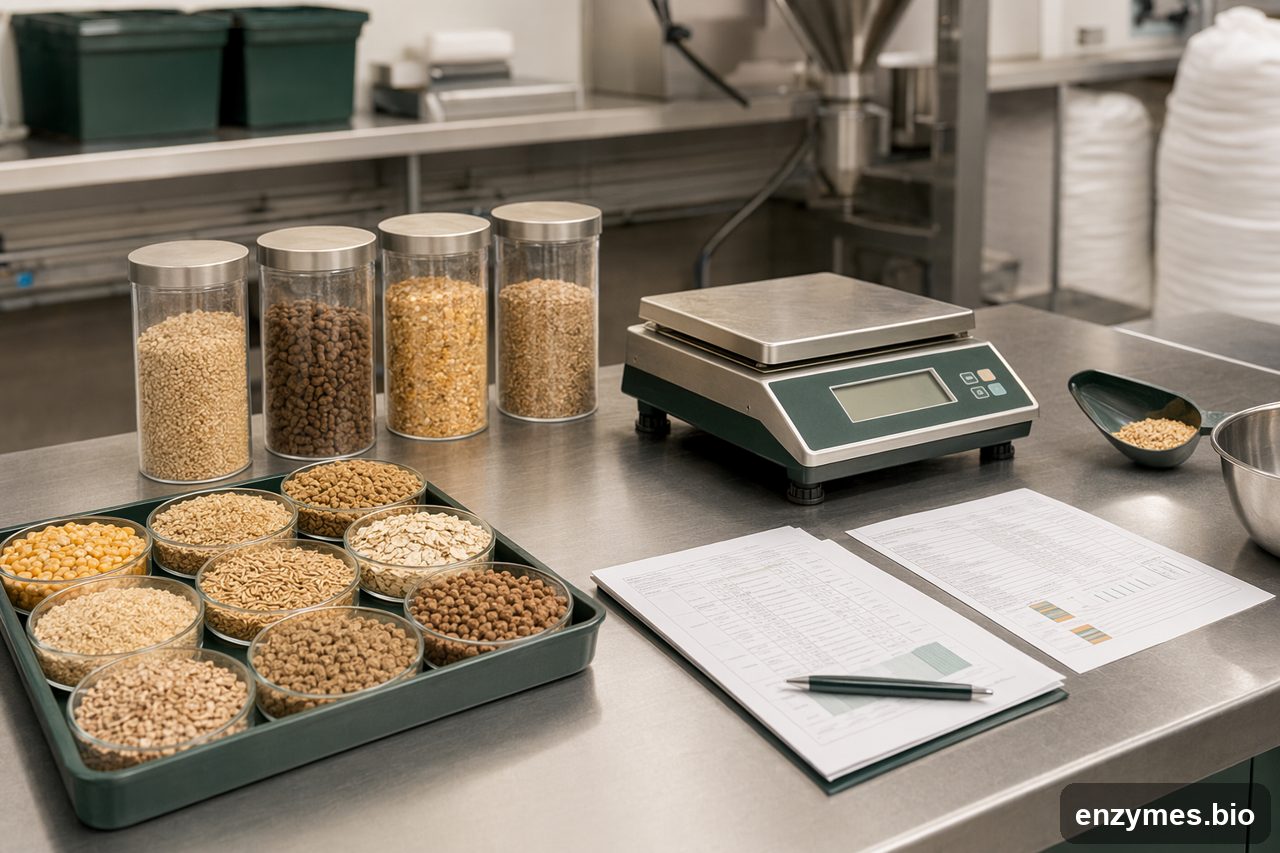
Relevant in cereal-rich diets where viscosity and fiber structure can influence feed efficiency assumptions.
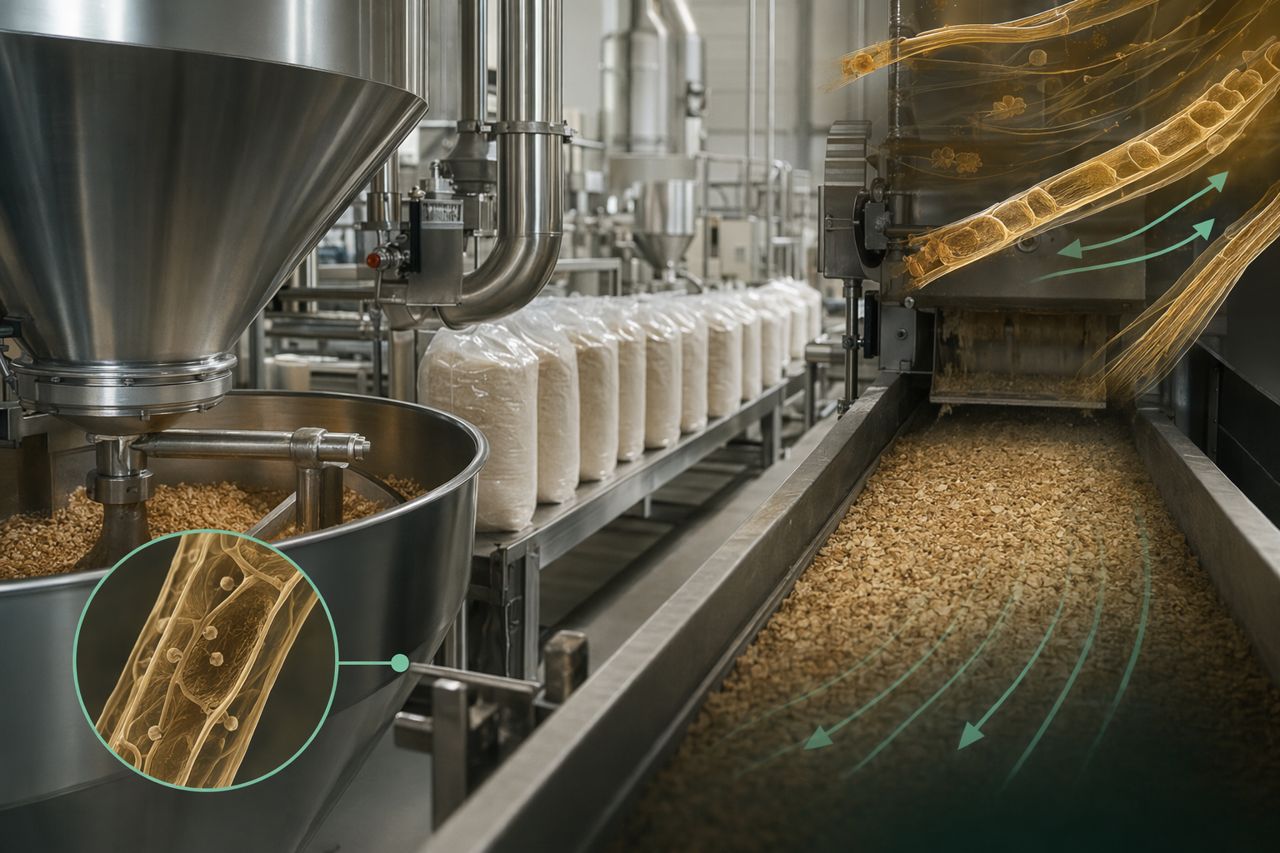
Xylanase performance depends on substrate availability, processing conditions, and how the feed enzyme is introduced into the manufacturing flow.
Key parameters to review before selection:
Hemivane can support product selection discussions based on diet type, manufacturing route, and commercial objective. We do not treat xylanase as a generic add-on; the enzyme should match the substrate and the process.
Feed manufacturers typically evaluate xylanase in one of three formats:
Dry inclusion through premix or micro-dosing systems
Suitable for mills with established dry ingredient handling and controlled premix distribution.
Post-pellet liquid application
Useful where thermal exposure during pelleting is a concern or where the plant already operates liquid enzyme coating systems.

Thermostable dry formats for pelleted feed
Considered when the enzyme must tolerate defined conditioning and pelleting conditions.
Selection should be based on the actual feed mill environment, not just a product label. Conditioning temperature, die pressure, moisture, retention time, and storage conditions can all affect delivered performance.
No. Wheat is a common driver, but xylanase is also relevant in rye, triticale, barley, and cereal by-product systems where arabinoxylans affect viscosity or nutrient access.
It can be part of a least-cost strategy when nutrition teams assign appropriate matrix assumptions and validate performance under their own diet and production conditions.
Not necessarily. It may be used alone or in combination with phytase, glucanase, protease, amylase, or multi-enzyme systems depending on the formulation challenge.
Yes, if the enzyme is exposed to pelleting. The right product format depends on conditioning conditions and whether post-pellet application is available.
Typical B2B documentation may include product specification, safety documentation, regulatory status by market, allergen or carrier information, and batch quality documentation where applicable.
Before requesting pricing, prepare the following details so we can respond accurately:
Available formats can be aligned to the manufacturing route and market requirements. Common commercial discussions include:
Exact specifications, recommended inclusion, and storage guidance are provided through direct technical quotation.
Hemivane is built for buyers who need clear enzyme decisions, not vague performance language. We support xylanase projects with a process-first view: substrate, feed mill conditions, formulation objective, and supply reliability.
You get a technical conversation grounded in poultry feed manufacturing — from cereal variability to pelleting route to purchasing scale.
Tell us about your diet type, feed mill process, and target volume. We will respond with a suitable xylanase option, documentation availability, packaging guidance, and commercial pricing.

Tell us your application and volume — we reply with pricing and lead time.
We have received your message. We will reply by email.