Xylanase for Plant Extraction and Fiber Processing
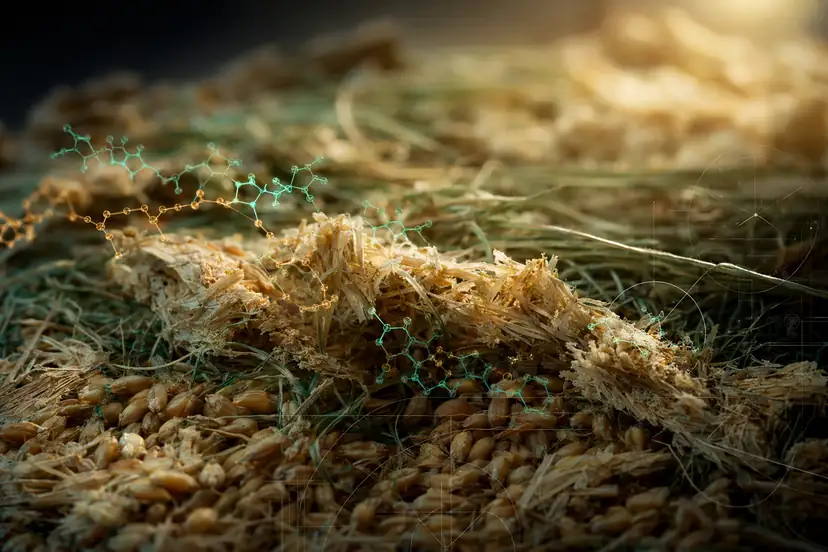
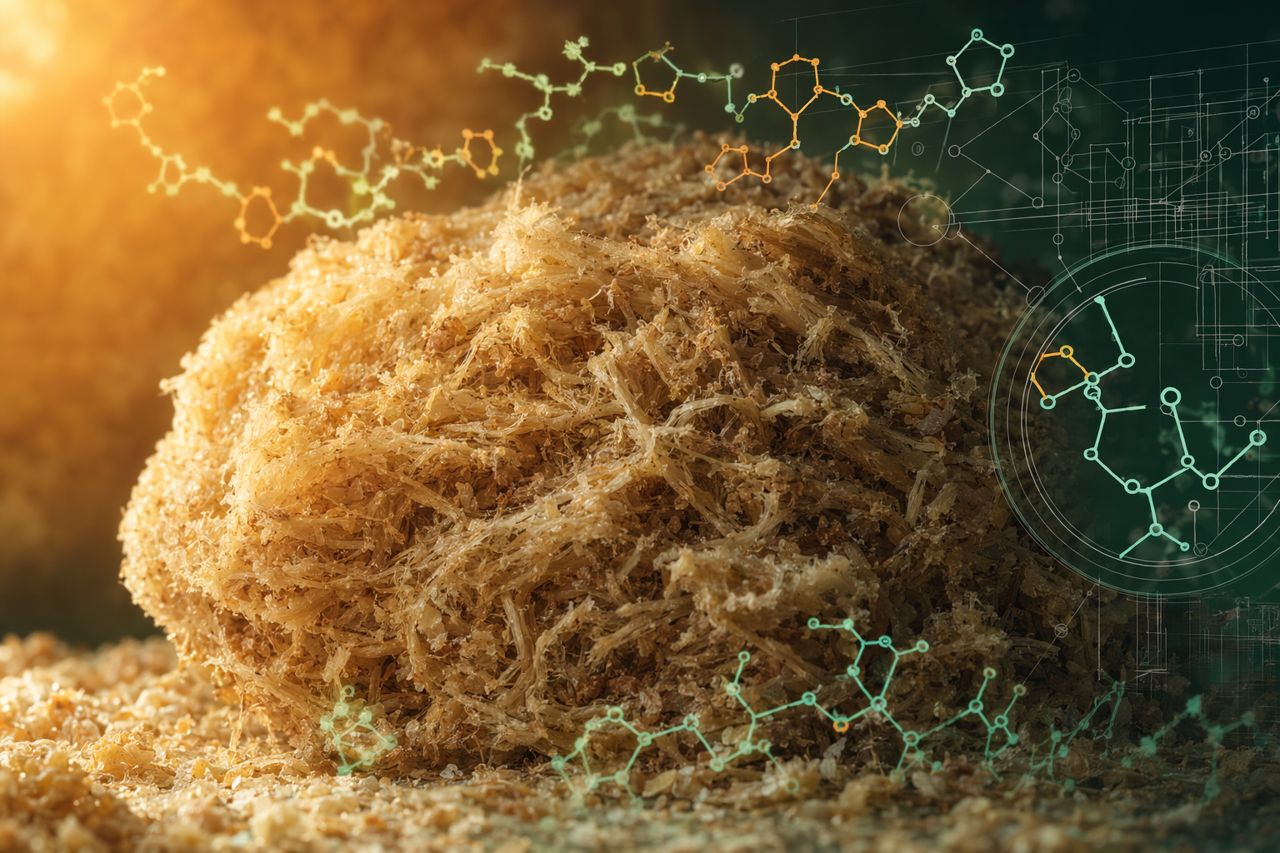
Plant materials do not give up value cleanly. Wheat bran, cereal fiber, oilseed meals, fruit pomace, botanical solids, pulp streams, and agricultural residues all carry hemicellulose networks that can trap liquid, thicken slurries, slow drainage, and hold extractables inside the cell wall matrix.
Hemivane supplies Xylanase (endo-1,4-β-xylanase) for manufacturers working with those fibrous systems. The enzyme targets xylan-rich hemicellulose, helping open plant cell-wall architecture without treating the entire biomass as a blunt-force chemistry problem.
What xylanase does in extraction workflows
Xylan is a major structural hemicellulose in many plant raw materials. In wet extraction, pressing, diffusion, maceration, and fiber conditioning, xylan can contribute to:
high slurry viscosity
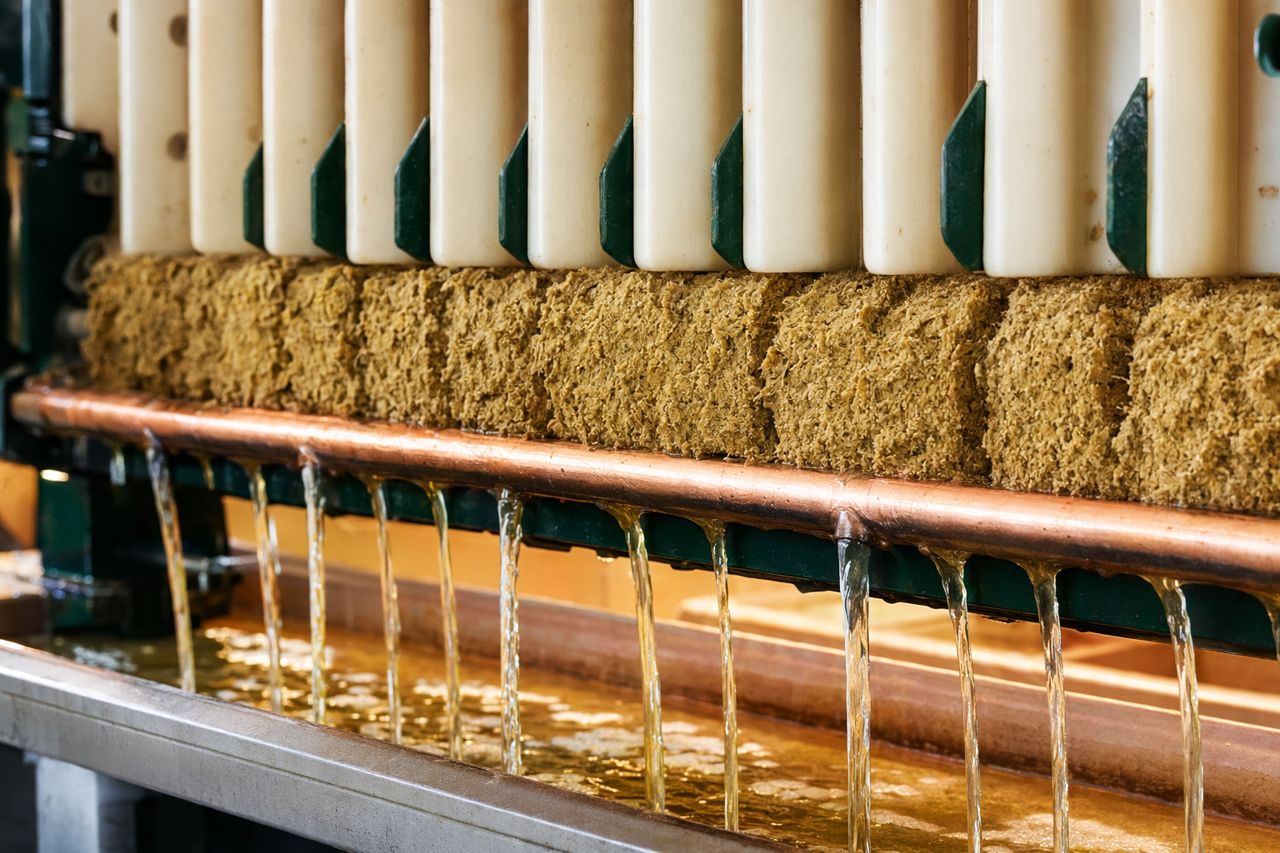
poor liquid release from solids
slow filtration or centrifugation
trapped soluble solids and botanicals
lower press yield
unstable fiber hydration behavior
inconsistent downstream concentration or drying
Hemivane xylanase acts within the hemicellulose fraction, reducing the physical resistance created by xylan-containing cell-wall networks. In practical terms, the goal is not to dissolve the plant material completely. The goal is controlled opening: enough modification to improve mass transfer, flow, and separation while preserving the process objective.
Where it fits
Hemivane xylanase can be evaluated in extraction and fiber-processing operations such as:
cereal bran extraction
botanical and herbal extraction
fruit and vegetable pomace processing
oilseed meal conditioning
plant protein co-product processing
soluble fiber adjustment
pulp and fiber slurry modification
agricultural biomass pre-treatment
press-aid and filtration support programs
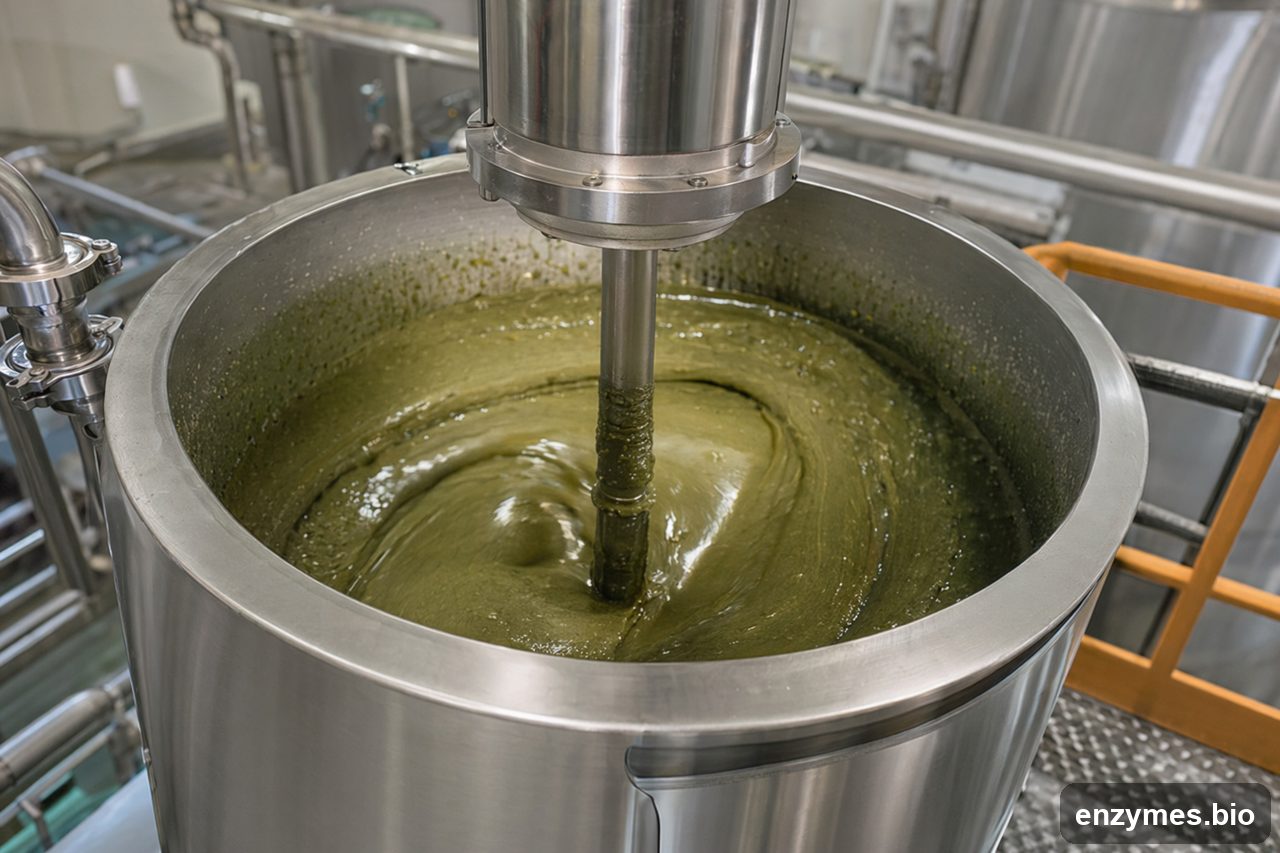
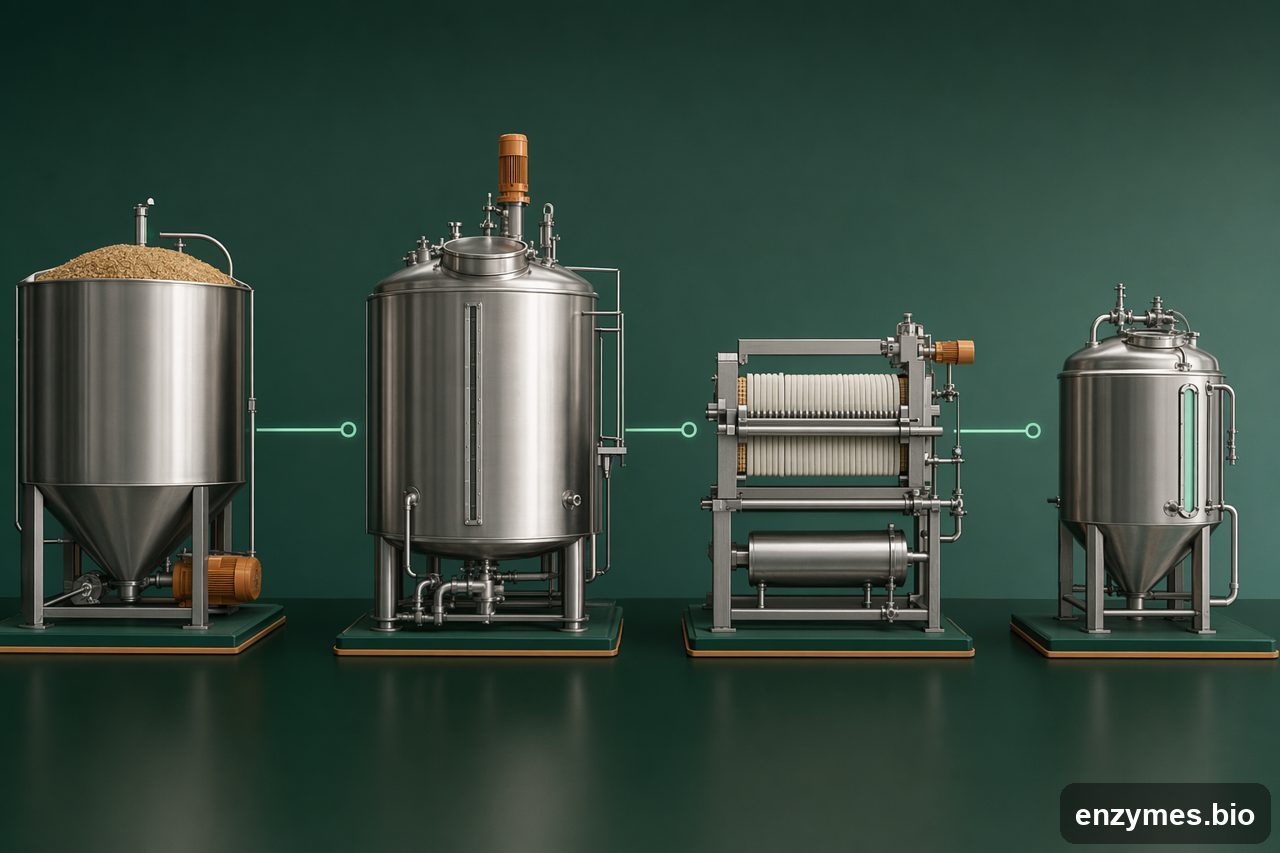
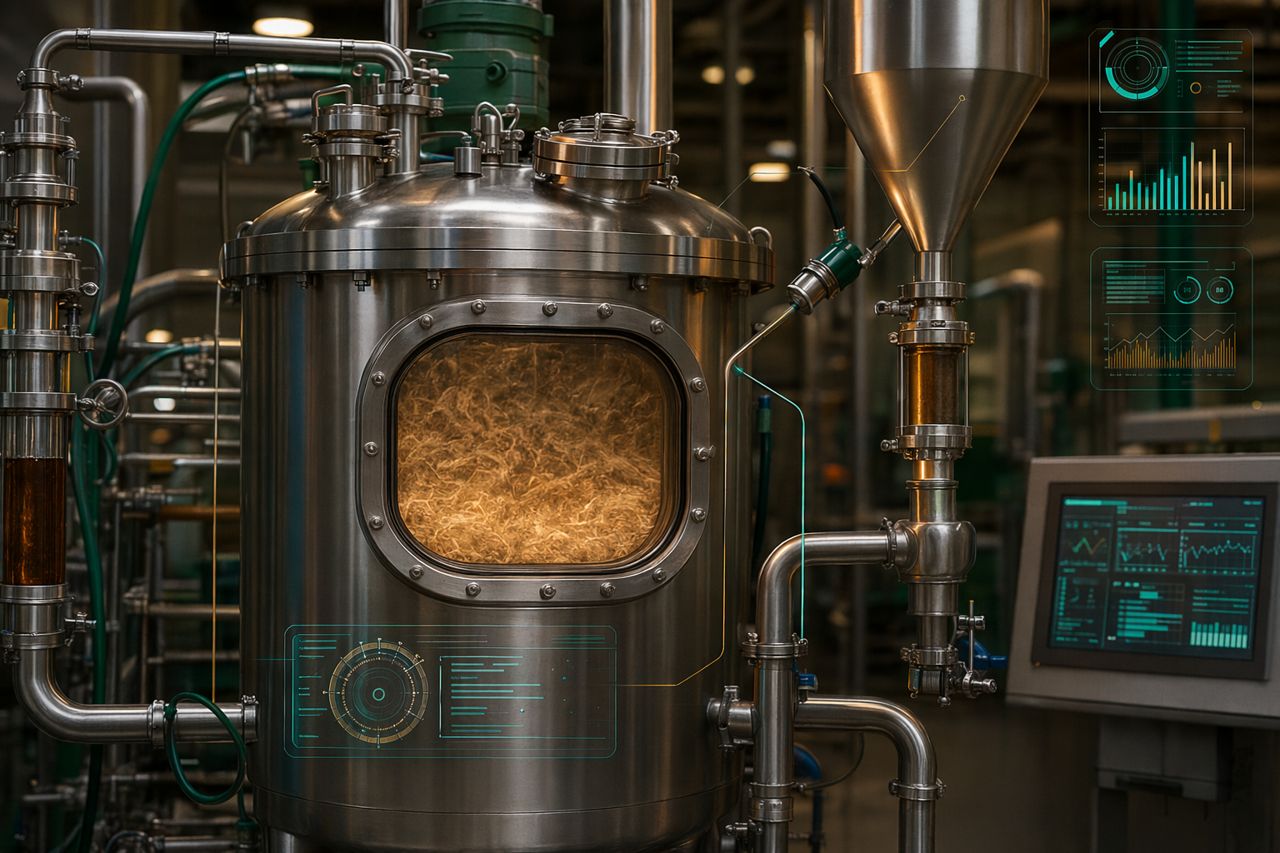
It is typically introduced during a hydrated hold step, mash preparation, maceration, pre-press conditioning, or pre-filtration residence stage. The best addition point depends on solids level, particle size, pH, temperature, contact time, and whether the process includes other enzymes.
Manufacturing outcomes to evaluate
For process engineers, the value of xylanase is measured in operations, not theory. During trials, Hemivane recommends tracking:
extract yield or soluble solids recovery
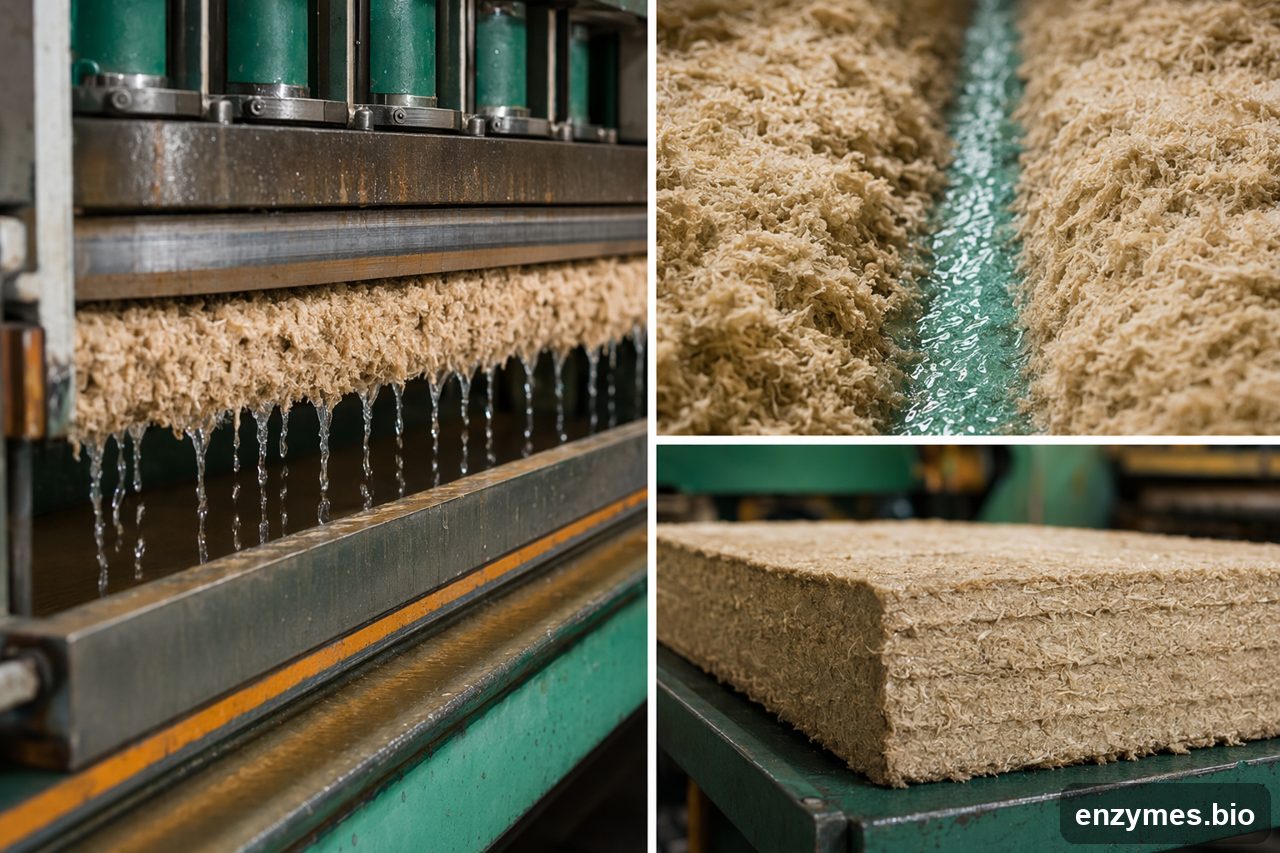
press cake moisture
filtrate clarity and filtration rate
slurry viscosity and pump load
centrifuge throughput
membrane fouling tendency
water usage per batch
downstream evaporator or dryer load
fiber texture, hydration, and handling behavior
These are the indicators that show whether hemicellulose modification is moving the plant matrix in the right direction.
Process conditions
Hemivane xylanase is commonly assessed under acidic to near-neutral pH and moderate process temperatures used in plant extraction systems. Exact operating targets should be confirmed against the substrate and residence time, because wheat bran, wood-derived fiber, citrus pomace, and botanical solids do not respond the same way.
Key variables include:
Substrate structure: bran, pulp, hull, pomace, and meal fractions differ in xylan accessibility.
Particle size: finer milling can improve contact but may increase baseline viscosity.
Solids loading: dense slurries often show larger handling benefits, but require better mixing.
Residence time: short holds may support flow improvement; longer holds may support more complete release.
Thermal profile: enzyme addition should be placed before any heat step intended to stop activity.
Companion enzymes: pectinase, cellulase, β-glucanase, amylase, or protease may be useful depending on the plant matrix.
Why select a targeted xylanase approach
Chemical extraction can be effective, but it may also create harsher waste streams, color formation, flavor impact, corrosion concerns, or additional neutralization steps. Mechanical processing alone can demand high energy and still leave bound liquid in the solids.
A targeted xylanase step can help manufacturers pursue:
cleaner separation with less mechanical severity
improved liquid release from fibrous solids
lower viscosity before pumps, screens, and filters
better consistency between raw material lots
higher value recovery from co-products
more flexible process tuning before scale-up
Trial design: practical starting points
A useful plant extraction trial should compare xylanase-treated and untreated material under the same raw material lot, solids level, temperature, pH, mixing intensity, and residence time. Avoid judging the enzyme from yield alone. A small yield gain may still be commercially valuable if it also reduces press time, improves filtration, or lowers evaporator load.
Recommended trial structure:
Define the bottleneck: yield, viscosity, filtration, pressing, or fiber handling.
Select one substrate lot and prepare a controlled untreated reference.
Screen several addition levels by mass of substrate rather than by activity disclosure.
Measure both composition and process behavior.
Confirm the best condition in a larger mixing geometry.
Review whether the enzyme should run alone or with a companion enzyme system.
Formulation and supply discussion
Hemivane can support xylanase selection for liquid or dry handling requirements, depending on the manufacturing environment. When requesting a quote, include the plant source, target application, approximate batch size or annual volume, process pH, process temperature, residence time, and the bottleneck you are trying to remove.
Request a quote / get pricing
Use the form below to reach Hemivane directly. A technical contact will review your process details and respond with xylanase options for your extraction or fiber-processing workflow.